
Listen to this Post
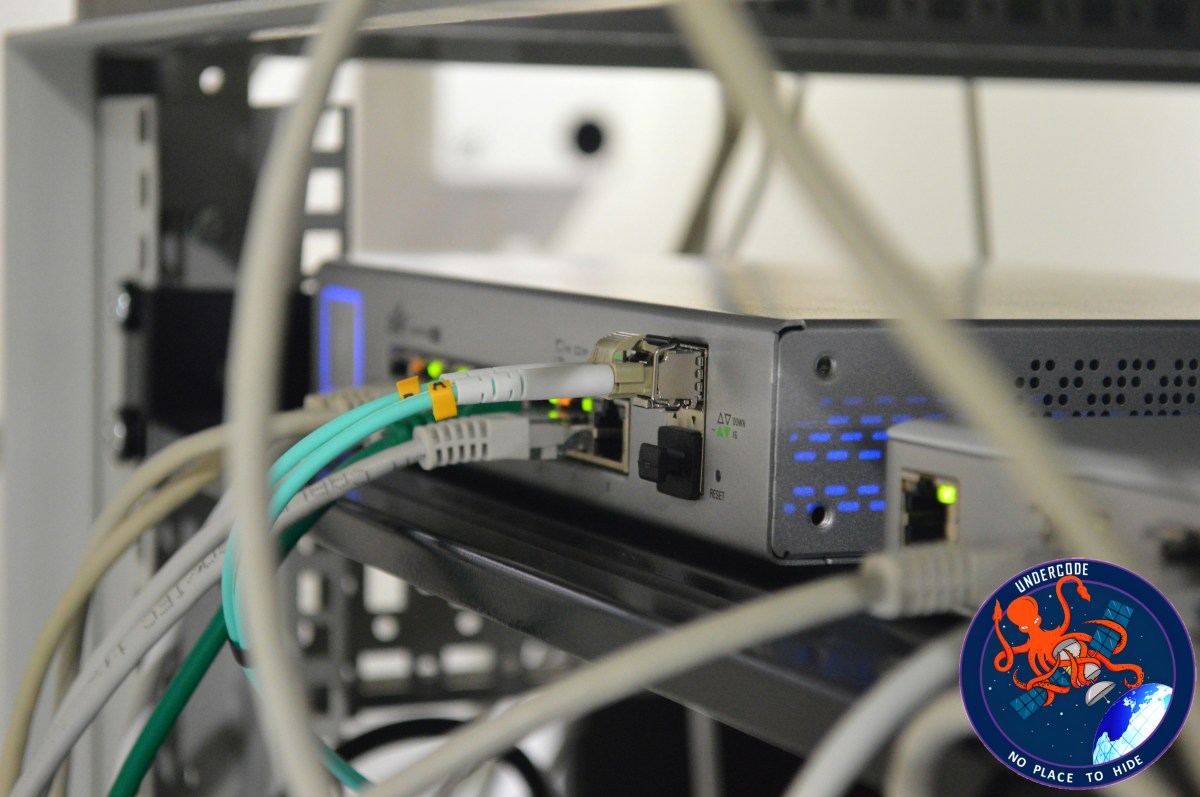
In today’s hyper-connected world, networks are no longer just conduits for data—they are the backbone of productivity, collaboration, and innovation. Across sprawling university campuses, busy corporate branches, and remote workspaces, users connect countless devices, from laptops and smartphones to IoT sensors and collaboration tools. Applications demand near-constant uptime, while IT teams are pressured to maintain security, troubleshoot issues, and manage limited resources—all at the same time. Enter Cisco Smart Switches, a new breed of networking hardware that redefines what a switch can do. By integrating edge compute, security, and analytics directly into the switch, Cisco empowers IT teams to bring intelligence closer to users, reduce operational complexity, and unlock new levels of performance.
The Evolution of Network Switching
For decades, switches were designed for one core purpose: moving packets efficiently. While additional features like security and manageability were added over time, traditional networks relied heavily on centralized appliances for firewalls, monitoring, and logging. This model worked when traffic was predictable and applications were simple. Today, the rise of SaaS, IoT, hybrid work, and distributed networks has made traditional approaches costly, slow, and vulnerable. Cisco Smart Switches break this mold by embedding compute and intelligence directly at the access layer, turning each switch into a proactive platform rather than a passive conduit.
With edge compute on the switch, organizations can now:
Enforce security policies locally: Firewalls and microsegmentation run at the edge, preventing lateral threats from spreading across branches or campuses.
Streamline troubleshooting: ThousandEyes agents embedded in switches allow IT teams to identify issues instantly—no guesswork or site visits required.
Manage logs efficiently: Local filtering and summarization reduce unnecessary data sent upstream, lowering costs and ensuring teams focus on the most critical events.
By moving intelligence closer to users and devices, Cisco Smart Switches reduce latency, increase resilience, and provide real-time visibility into network health.
More Than Just Edge Compute
Cisco Smart Switches are not just about running applications—they redefine scalability, security, and sustainability in enterprise networks. Key enhancements include:
Simplified stacking: High-speed interconnects allow multiple switches to operate as a single logical unit, easing management as networks grow.
Power efficiency: With up to 90W UPOE+ per port and stack-wide redundancy, connected devices stay powered while SmartPower features minimize energy waste.
Built-in security and visibility: Every port becomes an enforcement point with zero-trust policies, encryption-ready capabilities, and real-time traffic insights.
These innovations elevate switches from mere infrastructure to active platforms, capable of hosting applications, enforcing policies, and providing deep visibility where it matters most.
From Network Transport to Network Platform
Cisco Smart Switches represent a paradigm shift: the access layer becomes a platform for innovation. Benefits include:
Optimized traffic flow: Edge-based policy enforcement reduces detours, boosting application performance.
Faster issue resolution: Embedded monitoring provides immediate insights into connectivity and application health.
Enhanced security: Local firewalls and segmentation contain threats before they can spread.
Cost reduction: Consolidating appliances, filtering logs locally, and using energy-efficient power delivery streamlines operations.
Deeper insights: Integrated telemetry and application recognition deliver actionable intelligence in real time.
This approach is not incremental; it’s a fundamental transformation, redefining the role of the switch from passive network plumbing to intelligent, distributed infrastructure.
What Undercode Say: Strategic Implications of Cisco Smart Switches
Cisco Smart Switches are more than a technical upgrade—they are a strategic tool for IT transformation. By embedding edge compute, security, and analytics, organizations gain operational flexibility that aligns with modern IT demands. First, this distributed intelligence reduces reliance on centralized data centers, allowing faster response times and localized enforcement of critical policies. For hybrid work environments, this is a game-changer: whether a team member connects from a branch office, classroom, or home, the switch enforces policies and monitors traffic with minimal latency.
Second, Cisco Smart Switches improve cost efficiency. Local log summarization reduces SIEM ingestion, cutting storage and analysis expenses. Power optimization and stack-wide redundancy ensure that networks run sustainably while maintaining reliability. As organizations scale IoT deployments and Wi-Fi networks, these switches prevent the traditional exponential increase in complexity and operational overhead.
Third, these switches enhance security posture. Edge-based microsegmentation limits lateral movement, while real-time telemetry allows teams to detect anomalies immediately. In environments where data privacy and compliance are critical, having enforcement points distributed across the network reduces risk exposure significantly.
Fourth, network visibility is elevated. With ThousandEyes and Cisco IOS NetFlow services integrated directly into the switch, IT teams gain unprecedented insights into application performance, user behavior, and potential network bottlenecks. This intelligence supports proactive maintenance and informed decision-making, rather than reactive troubleshooting.
Finally, Cisco Smart Switches prepare networks for the future. The modular design of the C9610 Series and stackable C9350 Series provide a foundation for emerging technologies, including Wi-Fi 7, advanced IoT, and AI-driven workloads. By transforming the access layer into a platform for innovation, these switches give organizations the agility to adapt to changing business needs and technological trends.
Fact Checker Results
✅ Cisco Smart Switches integrate edge compute and security directly at the access layer.
✅ ThousandEyes integration allows immediate visibility into network performance.
❌ Traditional switches cannot provide equivalent edge-level policy enforcement and log management without additional appliances.
Prediction: The Future of Intelligent Networks
📊 As edge computing becomes central to enterprise networks, Cisco Smart Switches are likely to redefine IT architecture standards. Organizations adopting this technology can expect lower operational costs, faster troubleshooting, and stronger security posture. By turning switches into platforms for innovation, IT teams will gain the flexibility to deploy AI-driven applications, support exponential IoT growth, and meet the demands of hybrid and remote work seamlessly. The next wave of network transformation will focus on decentralized intelligence, making the role of the switch not just foundational, but strategic and proactive.
🕵️📝✔️Let’s dive deep and fact‑check.
References:
Reported By: blogs.cisco.com
Extra Source Hub (Possible Sources for article):
https://www.digitaltrends.com
Wikipedia
OpenAi & Undercode AI
Image Source:
Unsplash
Undercode AI DI v2
Bing
🔐JOIN OUR CYBER WORLD [ CVE News • HackMonitor • UndercodeNews ]
📢 Follow UndercodeNews & Stay Tuned:
𝕏 formerly Twitter 🐦 | @ Threads | 🔗 Linkedin | 🦋BlueSky | 🐘Mastodon


