
Listen to this Post
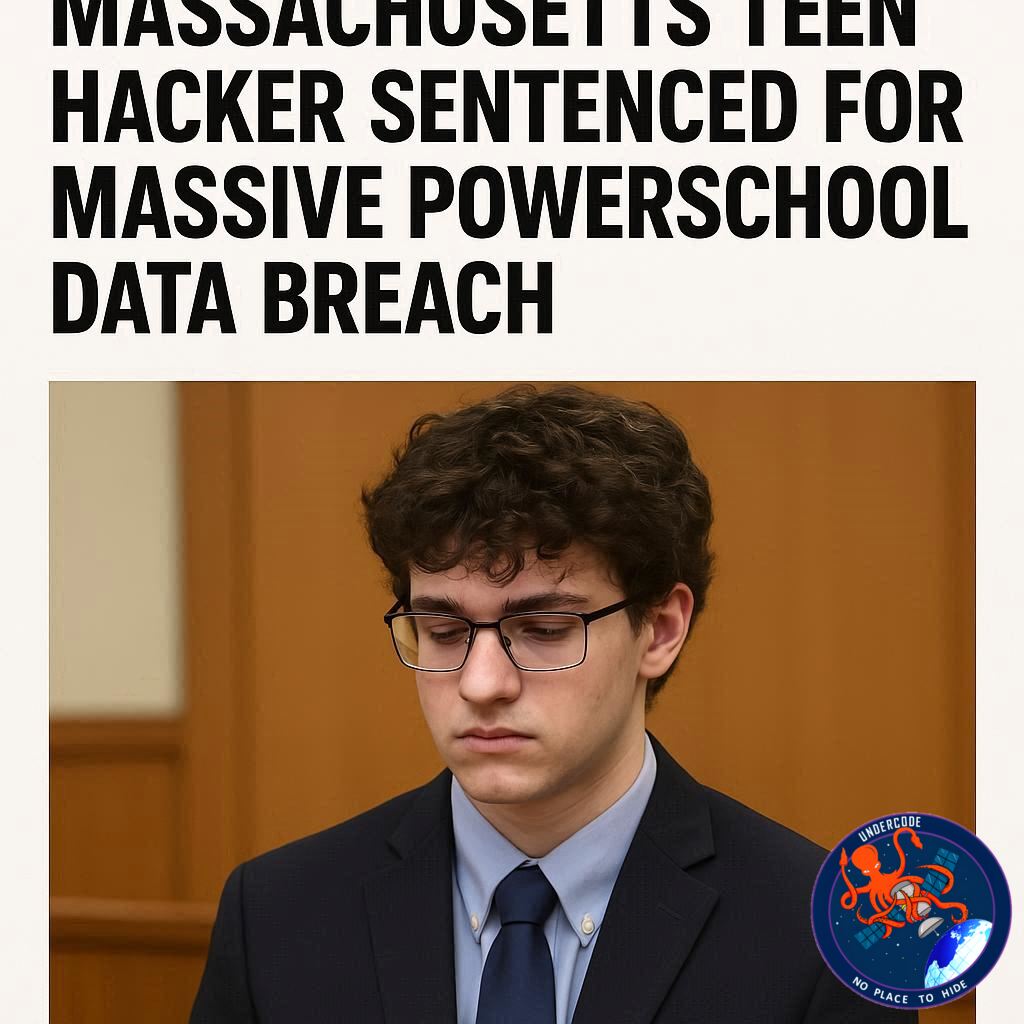
A shocking cybersecurity incident has rocked the U.S. education sector. A 19-year-old hacker from Massachusetts was recently sentenced to four years in prison for orchestrating a massive cyberattack on PowerSchool, a leading education technology company. This breach exposed sensitive data of over 70 million students and teachers, highlighting serious vulnerabilities in the digital infrastructure that schools rely on daily. The hacker demanded a ransom of $2.9 million, while PowerSchool reported financial losses exceeding $14 million. This case serves as a stark reminder of the increasing threats faced by educational institutions and the devastating consequences of cybercrime.
The incident unfolded when the teenager infiltrated PowerSchool’s network, gaining access to a trove of personal and academic information. The exposed data included names, birthdates, addresses, and potentially other sensitive student and teacher records. Authorities revealed that the hacker attempted to monetize the breach through a ransom demand of nearly $3 million, but PowerSchool refused to pay, opting instead to bolster its cybersecurity measures and cooperate with federal investigators. The sentencing underscores the legal consequences of targeting critical education infrastructure, especially when millions of individuals are affected. The financial impact alone—over $14 million in losses—demonstrates how cyberattacks on the education sector can quickly escalate from data theft to major fiscal crises.
This case also raises broader concerns about the vulnerability of educational software platforms. PowerSchool, used widely across the U.S., is a central hub for student information management. A breach of this scale threatens not only privacy but also the operational stability of schools, potentially disrupting daily activities, grading, and communication. Cybersecurity experts have warned that younger hackers are increasingly sophisticated, often exploiting systemic weaknesses in poorly secured systems. The fact that a 19-year-old could execute such an attack highlights gaps in protective measures, staff training, and regulatory oversight within the sector.
The PowerSchool breach is emblematic of a wider trend in which educational institutions, often underfunded in cybersecurity, are being targeted by hackers seeking both financial gain and notoriety. The legal system’s response—a four-year sentence—signals that authorities are taking such threats seriously, aiming to deter future attacks. However, the incident also emphasizes that technology providers must adopt proactive security measures, including multi-factor authentication, continuous monitoring, and rigorous vulnerability testing. Schools and districts must recognize that safeguarding student and teacher data is not just a technical responsibility but an ethical imperative.
What Undercode Say:
The sentencing of this Massachusetts teenager is more than just a legal milestone; it is a wake-up call for the educational technology sector. While the hacker’s age and audacity grab headlines, the deeper issue lies in systemic cybersecurity weaknesses. PowerSchool, despite being a leading provider, became an easy target due to inadequate safeguards against modern attack vectors. Hackers today exploit not only technical vulnerabilities but also social engineering tactics, phishing, and ransomware—tools that can bypass conventional security measures if organizations are not vigilant.
The financial losses reported—over $14 million—illustrate that breaches are no longer minor inconveniences but existential threats to companies and institutions. Schools are repositories of highly sensitive data, and any compromise can have long-term repercussions on student privacy, trust, and institutional reputation. Beyond monetary damages, breaches like this can disrupt educational operations, erode parental confidence, and invite regulatory scrutiny. Cybersecurity in education should no longer be treated as an ancillary service; it is a core component of institutional resilience.
This incident also underscores a troubling trend: the emergence of younger, highly skilled hackers who can challenge corporate security infrastructures. Law enforcement and the legal system must balance deterrence with rehabilitation, but the ultimate solution lies in prevention. Educational institutions and technology providers need to invest in robust cybersecurity frameworks, conduct regular audits, and educate staff and students about digital hygiene. Proactive measures—such as encryption, secure cloud storage, and endpoint protection—are essential to preventing future breaches.
Moreover, the attack exposes the ethical and societal implications of digital literacy gaps. While the hacker exploited technical vulnerabilities, the scale of the breach points to systemic negligence in safeguarding critical data. As digital learning environments expand, the stakes for cybersecurity increase exponentially. Policymakers, school boards, and software developers must collaborate to create security standards that protect millions of users from emerging threats. Ignoring these risks is no longer an option; the consequences, as seen here, are tangible and costly.
The case also highlights the role of ransom demands in modern cybercrime. The $2.9 million demand demonstrates that attackers are motivated by both financial gain and the leverage of sensitive information. The refusal to pay by PowerSchool sets an important precedent, showing that capitulating to cybercriminals is neither ethically nor financially prudent. Instead, investing in defensive measures and rapid incident response is far more effective in minimizing damage.
Finally, this breach should serve as a cautionary tale for other sectors that rely heavily on centralized data platforms. Healthcare, finance, and government agencies face similar threats. Lessons from the PowerSchool case—rigorous security protocols, employee training, and ethical responsibility—must inform broader cybersecurity strategies. The incident is a stark reminder that in the digital age, vigilance is not optional but essential.
Fact Checker Results:
✅ The hacker was 19 years old.
✅ PowerSchool suffered over $14 million in losses.
❌ There is no evidence the breach included financial account data; it was mostly personal and academic records.
Prediction:
The education sector will likely see an increase in investment toward cybersecurity infrastructure. Expect more regulatory scrutiny and mandatory reporting requirements for breaches. Hackers may shift focus to other underprotected EdTech platforms, potentially raising the stakes for digital privacy and operational security. Institutions that fail to adapt may face both financial and reputational fallout. 🛡️
🕵️📝✔️Let’s dive deep and fact‑check.
References:
Reported By: x.com
Extra Source Hub (Possible Sources for article):
https://www.github.com
Wikipedia
OpenAi & Undercode AI
Image Source:
Unsplash
Undercode AI DI v2
Bing
🔐JOIN OUR CYBER WORLD [ CVE News • HackMonitor • UndercodeNews ]
📢 Follow UndercodeNews & Stay Tuned:
𝕏 formerly Twitter 🐦 | @ Threads | 🔗 Linkedin | 🦋BlueSky | 🐘Mastodon


