
Listen to this Post
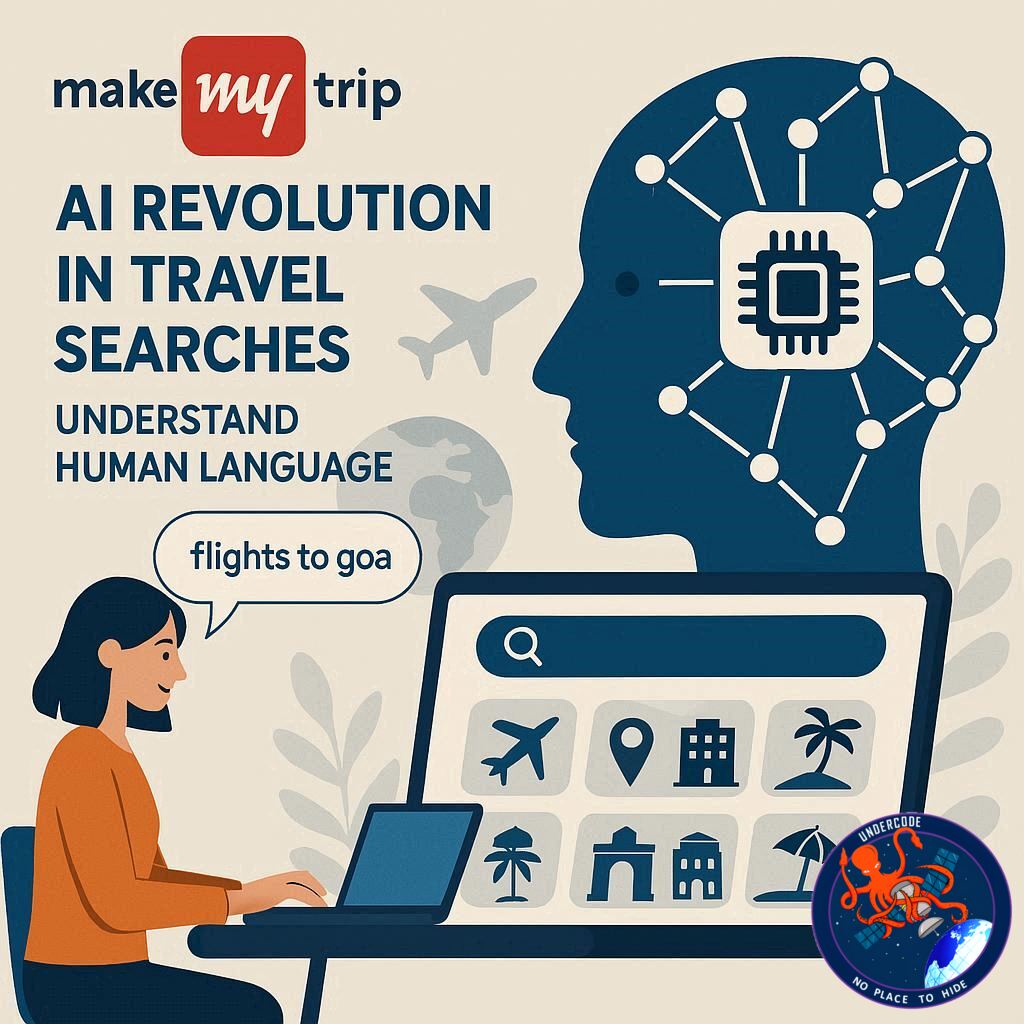
✈️ The Rise of Conversational Travel Planning
MakeMyTrip has taken a bold leap into the future of travel technology. The Indian travel giant has launched an AI-powered semantic search feature that transforms the way travelers look for hotels and homestays. This isn’t just a small update—it’s a shift toward making travel planning as simple as talking to a friend.
The new system understands natural language queries, allowing users to type or speak requests like “pet-friendly hotels in Manali with a swimming pool” or “heritage stays near Jaipur forts with parking.” Gone are the days of manually toggling dozens of filters. Now, the AI deciphers intent and meaning behind human expressions to instantly deliver accurate, context-rich search results.
Beyond plain listings, the platform now shows AI-curated insights, combining data from user reviews, images, and smart rankings. Travelers can explore suggestions such as “beachfront hotels in Goa” or “Ooty stays with mountain views” with descriptive tags like “great for families” or “private pools available.”
Ankit Khanna, Chief Product Officer at MakeMyTrip, explains the vision clearly: “Our goal is to make travel planning as natural as conversation. Instead of forcing users to think like a system, we’ve built a system that understands how people naturally express themselves.”
But MakeMyTrip’s AI ambitions don’t stop there. The company has also unveiled Myra, a generative AI-based trip planner still in its Beta phase. Myra helps travelers with destination discovery, bookings, and even in-trip assistance—available through both voice and text in English and Hindi, with more Indian languages to come.
🌐 A Smarter, Simpler Way to Travel
In essence, this innovation brings the personal touch back into digital travel. Rather than scrolling through endless lists or puzzling over complex filters, travelers can now just describe what they want—and the AI does the rest. It marks a fundamental shift in how we interact with booking platforms, moving from mechanical clicking to conversational discovery.
By integrating AI deeper into the booking journey, MakeMyTrip positions itself as more than a platform—it’s becoming a travel companion that understands nuance, emotion, and intent. This is not just about convenience; it’s about humanizing technology.
🧠 What Undercode Say:
The Human Language Revolution in Travel Tech
MakeMyTrip’s new AI search engine represents the future of semantic understanding in consumer technology. For years, online travel platforms relied on rigid filters, structured forms, and keyword-based searches. While functional, those systems never truly captured what users meant. This update shifts that paradigm completely.
AI semantic search works by interpreting context, relationships, and user intent. It’s powered by natural language processing (NLP) models that go beyond words to understand meaning. When someone says “romantic cottages near Shimla with snow view,” the system identifies emotional cues (“romantic”), environmental elements (“snow view”), and geographical proximity (“near Shimla”) to deliver precise matches.
Why This Matters
For travelers, this eliminates frustration. For businesses, it increases conversion rates and satisfaction scores. People no longer have to conform to machine logic; the machine adapts to human logic. This alignment builds trust and fluidity—the two most important emotional triggers in travel booking.
The Hidden Power of Personalization
AI-curated results go far beyond convenience. Each search now factors in user history, sentiment in reviews, and behavioral data. This allows MakeMyTrip to deliver personalized travel inspiration—not just listings. The platform can predict preferences based on subtle signals, such as browsing time, repeat destinations, or even weather-related interests.
Myra and the Next Frontier
The introduction of Myra, MakeMyTrip’s generative AI assistant, adds a conversational interface that feels more human than ever. Imagine planning an entire trip by simply chatting: asking where to go in winter, how to book flights, or what local spots are trending. With Myra’s bilingual capability and voice integration, MakeMyTrip is entering a new phase of AI accessibility for India’s diverse user base.
In a multilingual market like India, where travelers express themselves differently across languages, accents, and cultural nuances, such an assistant is not just helpful—it’s revolutionary.
A Strategic Advantage in the AI Race
Globally, giants like Expedia and Booking.com have begun experimenting with AI search tools, but MakeMyTrip’s local focus and language inclusivity give it a unique edge. By building for the Indian traveler first, it’s creating a localized AI ecosystem that could redefine how users in emerging markets engage with travel tech.
Challenges Ahead
Of course, with innovation comes complexity. Semantic systems require vast data sets and continuous training to avoid misinterpretation. Regional dialects, idioms, and slang pose additional hurdles. However, MakeMyTrip’s vast database of user behavior gives it the foundation needed to continually refine accuracy and contextual understanding.
The Emotional Core of the Update
At its heart, this AI push is about restoring humanity to digital travel. Planning a trip is an emotional act—a search for experiences, not just accommodations. By allowing people to communicate naturally, MakeMyTrip is blending logic with emotion, data with dreams.
This evolution is not about technology replacing humans, but technology finally understanding humans.
🔍 Fact Checker Results
✅ MakeMyTrip has officially launched AI-powered semantic search for hotels and stays.
✅ Myra, the generative AI assistant, is currently in Beta, offering English and Hindi support.
✅ Both innovations aim to simplify and personalize the traveler’s booking journey.
📊 Prediction
🌟 In the next 2–3 years, conversational AI will become the default interface for travel planning.
🚀 MakeMyTrip’s AI-first strategy will likely inspire regional competitors to follow suit, especially in multilingual markets.
💬 The future of booking won’t be about “searching”—it will be about asking and being understood.
🕵️📝✔️Let’s dive deep and fact‑check.
References:
Reported By: timesofindia.indiatimes.com
Extra Source Hub (Possible Sources for article):
https://www.discord.com
Wikipedia
OpenAi & Undercode AI
Image Source:
Unsplash
Undercode AI DI v2
Bing
🔐JOIN OUR CYBER WORLD [ CVE News • HackMonitor • UndercodeNews ]
📢 Follow UndercodeNews & Stay Tuned:
𝕏 formerly Twitter 🐦 | @ Threads | 🔗 Linkedin | 🦋BlueSky | 🐘Mastodon


