
Listen to this Post
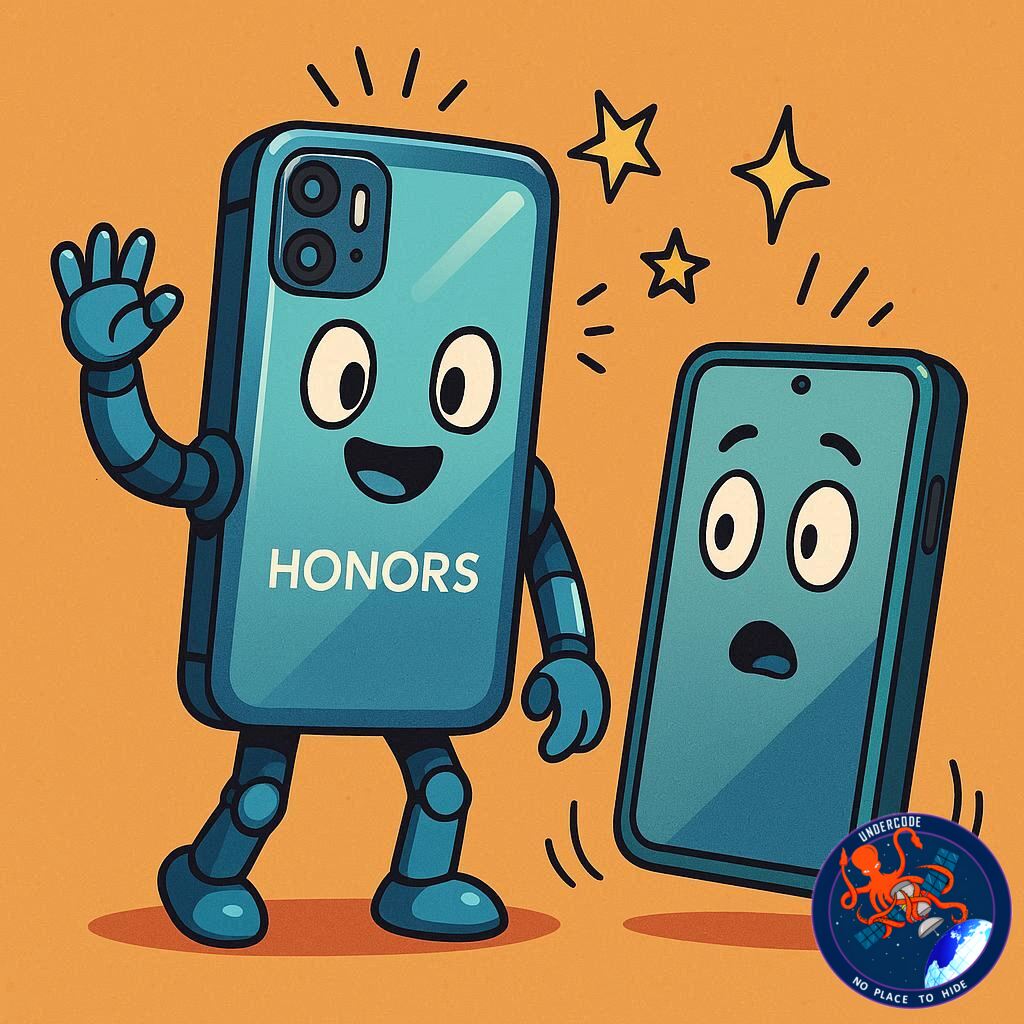
🎯 Introduction
When technology meets imagination, strange and beautiful things can happen. That’s exactly what Honor has done—melding robotics, AI, and charm into one futuristic concept phone. Imagine a device that doesn’t just take photos but interacts, responds, and giggles. Honor’s latest innovation, unveiled alongside its Magic 8 series, may look like a gadget straight out of a Pixar movie, yet it might signal where smartphones are headed next.
The Robot Phone: A Smartphone with Personality
Honor recently unveiled one of the most intriguing tech concepts of the year: a smartphone equipped with a robotic camera arm that pops out, rotates, and—believe it or not—laughs. Yes, this tiny robot-like lens seems almost alive, giving the impression that Wall-E’s curious cousin just moved into your pocket.
This concept, which Honor teased during its Magic 8 launch, is being dubbed the “Robot Phone”, and it’s not just about aesthetics. It’s designed to act as both a camera and an emotional companion. The idea feels delightfully absurd and yet oddly inspiring—a phone that doesn’t merely function but feels.
Unlike a standard smartphone, this one boasts a thicker body to accommodate the motorized gimbal system hidden inside. When activated, a mechanical arm gracefully unfolds, revealing a lens capable of turning in virtually any direction. It can film from angles previously impossible for handheld devices, turning casual users into creative directors.
In Honor’s promotional video—which looks heavily CGI-enhanced and almost AI-generated—the robotic camera performs a variety of tasks. It helps you pick outfits, records action sports from unique perspectives, amuses children with peekaboo games, and even gazes at the stars as if pondering its digital existence. The overall vibe: charmingly eerie but fascinating.
Behind the cuteness lies something bigger. Honor claims this is part of a broader AI-driven ecosystem focused on emotional intelligence and adaptability. The company has reportedly poured $10 billion into research and development to push AI into every layer of its product design, signaling its ambition to compete head-on with giants like Apple and Samsung.
Still, for all the wonder, skepticism lingers. Phones with moving parts haven’t had the best reputation. Pop-up selfie cameras, for instance, vanished quickly after users discovered they were fragile and prone to dust damage. Honor’s robotic arm will have to endure drops, lint, and daily wear without breaking its mechanical heart.
The official unveiling will take place at Mobile World Congress (MWC) in Barcelona this coming March. That’s when we’ll see whether this concept can survive the leap from cute CGI fantasy to functional reality. Until then, early testers can register for hands-on feedback opportunities—a move that shows Honor is testing the waters for real consumer reaction.
Is it practical? Maybe not entirely. But is it bold and refreshingly different in a market of cloned rectangles? Absolutely. Honor’s “Robot Phone” reminds us that innovation doesn’t always have to be perfect—it just has to make us feel something.
What Undercode Say:
The concept of the Robot Phone represents more than a playful gimmick—it’s a commentary on the stagnation of smartphone design. For years, tech companies have focused on incremental upgrades: sharper screens, faster processors, and better cameras. Yet, the emotional and creative connection between user and device has remained flat. Honor is trying to bridge that gap through personality and motion.
From a design philosophy standpoint, this is a reawakening of curiosity in consumer tech. The robotic lens humanizes the device, giving it an almost pet-like quality. This emotional tether could become the next big marketing frontier: devices that bond with users instead of merely serving them. If successful, it could redefine how humans interact with technology—less command-based, more relational.
However, the engineering challenge here is enormous. Miniaturizing robotic movement into a phone chassis introduces risks—mechanical wear, motor degradation, and software synchronization failures. If Honor can overcome these, it might open doors to new categories of smart devices with dynamic, adaptable physical components.
Economically, this aligns with the brand’s larger AI investment strategy. Honor’s $10 billion allocation shows its desire to be more than a mid-tier manufacturer. They’re positioning themselves as innovators at the frontier of human-AI interaction. And in a world where consumers are yearning for “something new,” this whimsical concept might capture imaginations before it captures markets.
The emotional companion angle is especially intriguing. It points toward a future where phones are not just responsive but empathetic—devices that interpret mood, tone, or even facial expression to adjust functionality. Imagine your phone dimming the screen during stressful moments or playing soft music when it senses fatigue. The Robot Phone could be an early symbol of that emotionally aware design language.
But there’s also a cultural question: do we want our devices to mimic affection? Some might find it endearing, others intrusive. Emotional AI must tread carefully between assistance and over-familiarity. Once a gadget laughs, the line between tool and companion begins to blur, sparking philosophical and ethical discussions about the humanization of technology.
From an innovation lens, this could trigger a ripple effect. Competing brands may respond with their own takes on adaptive hardware—rotating sensors, flexible lenses, or kinetic design elements that respond to environment and behavior. The smartphone could evolve into something closer to a robotic assistant, an entity that participates in your world instead of merely documenting it.
Ultimately, Honor’s Robot Phone may never reach mass production, but its symbolism is powerful. It dares to ask: what if technology could express joy? What if our devices became collaborators in creativity rather than silent tools? This philosophical spark is what makes the concept so magnetic—and why people are talking about it long before anyone has held it.
🔍 Fact Checker Results
✅ Honor officially teased the “Robot Phone” concept during the Magic 8 launch.
✅ The robotic arm camera and AI companion features were presented in promotional footage.
❌ There’s no confirmation yet that a commercial version will release in 2025.
📊 Prediction
🧠 Expect Honor’s concept to inspire other manufacturers to experiment with kinetic or “living” phone designs.
📱 Even if it never ships, the Robot Phone will influence the emotional-AI design trend across consumer tech.
🚀 Within the next two years, we might see the first truly “interactive” smartphones that blur the line between machine and personality.
🕵️📝✔️Let’s dive deep and fact‑check.
References:
Reported By: timesofindia.indiatimes.com
Extra Source Hub (Possible Sources for article):
https://www.quora.com/topic/Technology
Wikipedia
OpenAi & Undercode AI
Image Source:
Unsplash
Undercode AI DI v2
Bing
🔐JOIN OUR CYBER WORLD [ CVE News • HackMonitor • UndercodeNews ]
📢 Follow UndercodeNews & Stay Tuned:
𝕏 formerly Twitter 🐦 | @ Threads | 🔗 Linkedin | 🦋BlueSky | 🐘Mastodon


