
Listen to this Post
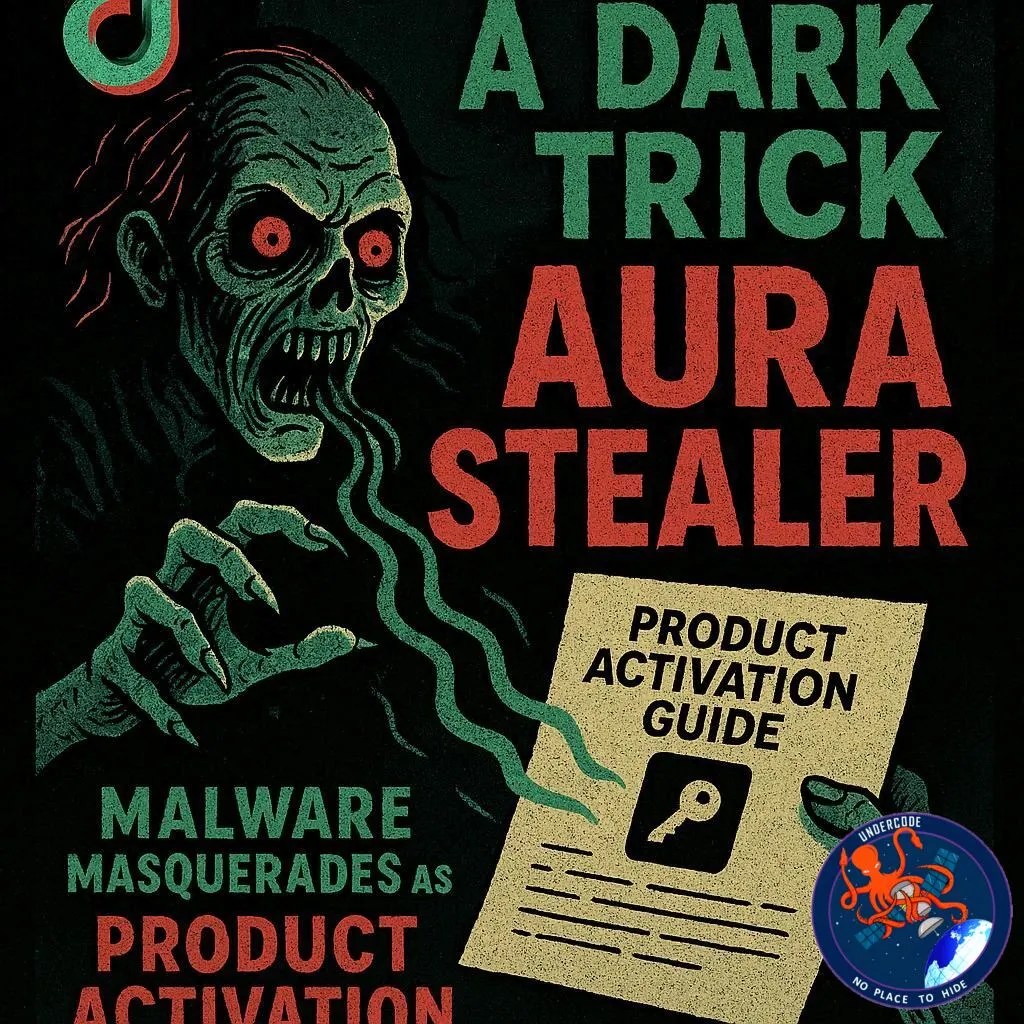
In an age where digital trust is fragile and fleeting, cybercriminals have found yet another way to exploit curiosity and convenience. A wave of TikTok videos, cleverly disguised as “product activation guides,” is being used to distribute Aura Stealer malware — a dangerous information-stealing tool that silently infiltrates victims’ systems. Behind seemingly harmless tutorials lies a malicious PowerShell command waiting to hijack credentials, cookies, and even cryptocurrency wallets.
This is not just another malware outbreak — it’s a sophisticated social engineering campaign crafted to weaponize virality.
The Rise of a New Social Cyber Threat
In recent weeks, cybersecurity researchers have uncovered a disturbing trend: short TikTok clips showing fake tutorials for software activation keys, free premium tools, or cracked programs. The attackers leverage the trust and speed of social media to direct users toward malicious download links. Once the viewer follows instructions — usually to run a PowerShell command or download a “fix file” — the infection begins silently in the background.
Aura Stealer, the malware at the center of this campaign, is not new, but it has evolved. It’s now being distributed through creative content rather than conventional phishing emails or fake websites. The malware is built to harvest sensitive data such as login credentials, stored browser cookies, session tokens, and digital wallet information. It then sends this stolen information to command-and-control servers operated by threat actors, often located overseas.
Cybersecurity analysts warn that what makes this campaign particularly dangerous is its psychology. The attackers prey on users’ desire for shortcuts — the urge to unlock premium content for free or bypass software activation barriers. The use of PowerShell, a legitimate Windows utility, adds a further layer of deception, as it appears harmless to most users.
Experts believe the TikTok algorithm itself unintentionally fuels this malware wave. Videos labeled as “activation tips” or “product hacks” get high engagement, propelling them into the feeds of millions. The result: a malware campaign that scales as quickly as viral content.
The U.S. has seen the largest share of infections, though reports are emerging from Europe and Southeast Asia as well. Researchers note that the attackers’ infrastructure is dynamic, with links and payloads constantly shifting to avoid detection. Antivirus programs have struggled to keep up, especially when scripts are delivered through shortened URLs or encrypted ZIP files.
Security professionals are urging users to treat social media “tech help” content with extreme caution. Any video or post that suggests using PowerShell or downloading unknown files should be treated as a red flag. Cybercriminals are blurring the line between entertainment and exploitation — and the platform’s youngest users are often the easiest targets.
What Undercode Say:
This TikTok–Aura Stealer campaign reveals a new chapter in the evolution of digital manipulation — where social engineering meets influencer culture. It’s not just about malware anymore; it’s about exploiting trust velocity — the speed at which online credibility spreads.
TikTok, with its billion-user base and algorithmic amplification, has become a fertile ground for deception. Attackers understand that users are far more likely to trust content that feels organic or tutorial-like than a random email link. This subtle shift from phishing inboxes to social video feeds is the future battleground of cybersecurity.
What’s most alarming is the invisibility of intent. A 30-second video showing a simple computer tip feels harmless — yet that’s exactly what makes it dangerous. The average user does not associate a short-form video with the possibility of a malware payload. This psychological blind spot is being actively exploited.
Aura Stealer’s choice of PowerShell as a delivery tool is strategic genius from a hacker’s standpoint. PowerShell is trusted, built into every Windows machine, and capable of executing remote commands without triggering conventional security alerts. It’s like hiding a weapon in plain sight.
From a macro perspective, this incident is part of a broader trend — the “consumerization of cyber threats.” The same design principles that make content go viral are now being applied to make malware go viral. Short, engaging, and seemingly harmless — but with devastating consequences.
For organizations, this means cybersecurity awareness can no longer focus solely on emails and websites. Employee training must now extend into the social media domain. A single careless click from a corporate device while watching a “tutorial” could compromise internal systems.
There’s also a regulatory and ethical layer. Should platforms like TikTok bear partial responsibility for failing to detect malicious content that spreads through their algorithms? The answer is complex. While automated systems can flag suspicious links, the sophistication of modern attackers — who often cloak URLs, obfuscate code, and use trendy hashtags — makes prevention difficult.
Yet, ignoring this threat would be costly. If history is any guide, this campaign will inspire copycats across other platforms — Instagram Reels, YouTube Shorts, and even Telegram channels. Cybercrime evolves in patterns, and this is the start of a dangerous new one.
Ultimately, the lesson here isn’t only about malware — it’s about manipulation. As digital culture merges entertainment and education, users must reclaim skepticism as their first line of defense. Trust is now a currency in cyberspace, and Aura Stealer just found a way to counterfeit it.
Fact Checker Results
✅ Aura Stealer is a verified infostealer malware known for targeting credentials and crypto wallets.
✅ PowerShell-based attacks have been documented in several major cybersecurity reports since 2023.
❌ No legitimate product activation process ever requires random PowerShell commands from social media.
Prediction 🔮
Expect a surge in “viral malware” campaigns blending entertainment and cybercrime. Attackers will increasingly exploit visual platforms like TikTok and YouTube Shorts, embedding malicious code behind trends, filters, or “free tool” videos. By mid-2026, security analysts predict the rise of real-time AI-driven deepfake tutorials designed to lure users into executing harmful code — the next frontier of social engineering.
🕵️📝✔️Let’s dive deep and fact‑check.
References:
Reported By: x.com
Extra Source Hub (Possible Sources for article):
https://www.twitter.com
Wikipedia
OpenAi & Undercode AI
Image Source:
Unsplash
Undercode AI DI v2
Bing
🔐JOIN OUR CYBER WORLD [ CVE News • HackMonitor • UndercodeNews ]
📢 Follow UndercodeNews & Stay Tuned:
𝕏 formerly Twitter 🐦 | @ Threads | 🔗 Linkedin | 🦋BlueSky | 🐘Mastodon


