
Listen to this Post
The Dream That Turned Dark
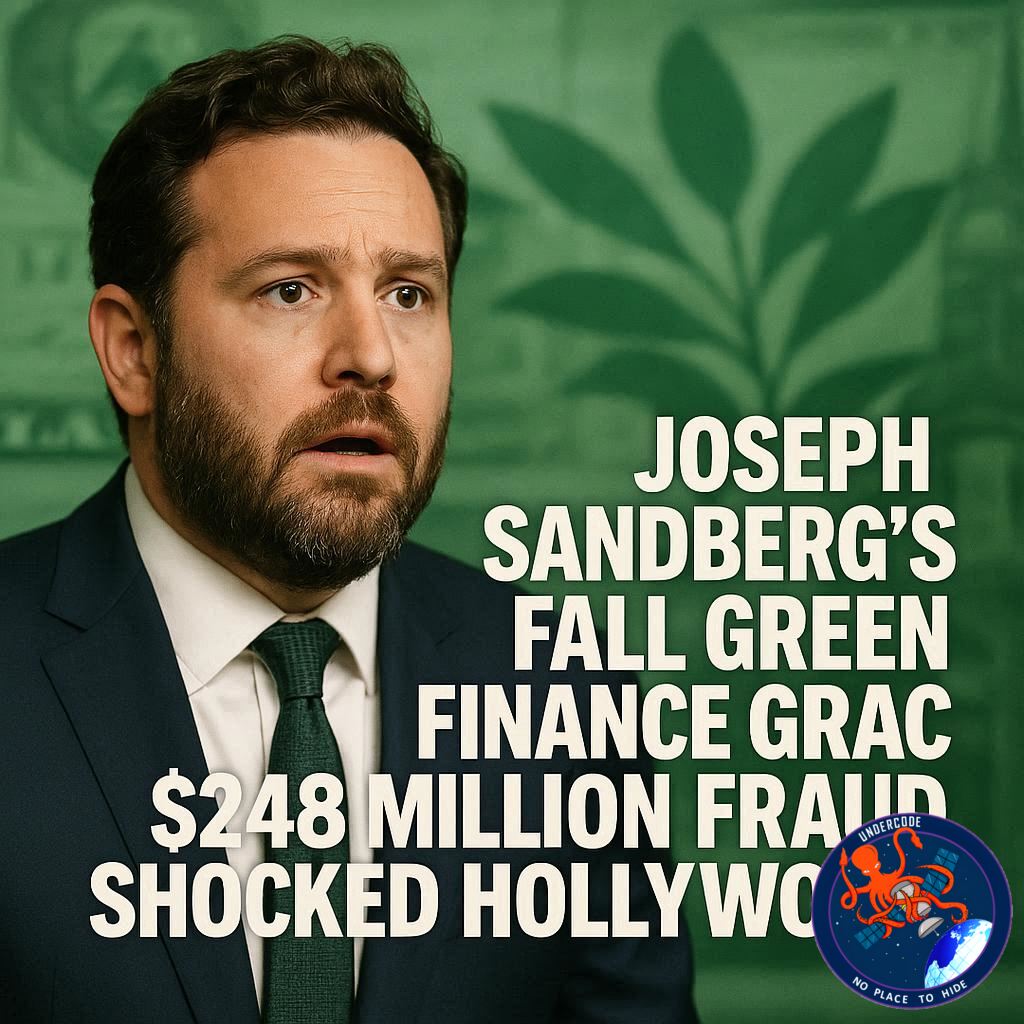
Once celebrated as a visionary behind Aspiration Partners—a company that promised to make banking greener—Joseph Sanberg now stands as a cautionary tale of ambition gone astray. The 46-year-old entrepreneur, once hailed for his socially conscious innovation, has pleaded guilty to two counts of wire fraud in Los Angeles federal court. His crimes? Participating in a scheme that defrauded investors of a staggering $248 million.
Sanberg’s venture wasn’t a typical startup. Aspiration Partners, founded in 2013, aimed to merge profit with purpose, offering eco-focused financial services like carbon credit sales and tree-planting programs. It drew backing from a constellation of celebrity investors: Leonardo DiCaprio, Robert Downey Jr., Orlando Bloom, and even former Microsoft CEO Steve Ballmer. The firm’s moral branding and Silicon Valley polish gave it credibility, and at one point, the company was poised for a $2.3 billion valuation through a SPAC deal. But that dream unraveled quickly.
By 2022, the SPAC merger was canceled. Behind the glossy sustainability reports and celebrity endorsements lay a troubling truth—Aspiration’s finances were in shambles. According to U.S. prosecutors, Sanberg fabricated documents to make the company appear far more liquid than it actually was. One falsified letter from the firm’s audit committee claimed Aspiration held $250 million in cash and cash equivalents. In reality, it had less than $1 million on hand.
Using these deceptive records, Sanberg allegedly secured millions more in loans and investments. The illusion of financial health helped him prolong a failing operation—at least long enough to entice investors who believed they were funding the future of ethical finance.
But when the façade collapsed, it did so spectacularly. The U.S. Securities and Exchange Commission (SEC) filed a parallel civil complaint accusing Sanberg of orchestrating elaborate ruses to inflate the company’s revenue potential. He allegedly persuaded acquaintances to sign “letters of intent” for services such as tree-planting worth tens to hundreds of thousands of dollars, assuring them they would never have to pay. These contracts were then presented as legitimate business deals to impress potential investors.
Text messages obtained by Business Insider reveal Sanberg’s desperation as early as 2020. In a message to his cofounder and CEO, Sanberg lashed out: “Figure out how to get me the money tomorrow or I’ll be in default… I hate this company and I don’t want to work anymore with you.” His tone revealed a man cornered by pressure, ego, and financial collapse.
When he faces sentencing on February 23, 2026, Sanberg could spend up to 40 years in prison—a shocking downfall for a man once celebrated as a progressive capitalist with a conscience.
What Undercode Say:
Joseph Sanberg’s story represents more than just another financial scandal—it’s a betrayal of trust in the moral economy. Aspiration Partners positioned itself as the poster child of ethical banking, promoting slogans about sustainability and moral wealth. But behind the PR polish, its founder’s decisions echoed the same greed and deception seen in the worst corners of Wall Street.
There’s a bitter irony here. Investors were not only chasing profits but also meaning. The promise of “doing well by doing good” was irresistible. The environmental finance movement, still young and idealistic, found in Sanberg a charismatic evangelist. Yet his actions may now cast a shadow on every startup that claims to merge ethics with enterprise.
The larger issue goes beyond Sanberg’s fraud. It raises critical questions about how the public and investors vet companies that cloak themselves in moral branding. Greenwashing—the act of presenting environmental virtue while masking economic misconduct—has become a growing threat. Sanberg’s scheme took that deception to new heights, intertwining social activism with financial manipulation.
The involvement of high-profile investors like DiCaprio and Downey Jr. gave Aspiration instant legitimacy. Celebrity backing often acts as a social currency in Silicon Valley, but in this case, it blinded many to the warning signs. Few questioned the company’s opaque financial reporting or its inability to demonstrate measurable environmental impact.
Analytically speaking, Sanberg’s fraud reflects a systemic failure of due diligence within the ESG (Environmental, Social, and Governance) investment sector. The push for sustainable investing has created a gold rush atmosphere, attracting both true innovators and opportunists. When moral marketing outpaces financial transparency, fraud thrives.
The SEC’s charges expose how weak internal controls and unchecked optimism can amplify deception. The so-called “letters of intent” were not business deals—they were performance props, designed to inflate valuation metrics and secure investor confidence. This manipulation underscores a dangerous truth: even the greenest of startups can rot from within if built on illusion rather than accountability.
Psychologically, Sanberg’s meltdown in his 2020 messages shows a man cracking under pressure. His words—angry, desperate, and self-loathing—reveal that the fraud wasn’t just financial; it was personal. He had built a public identity around moral superiority, only to destroy it with deceit. The internal conflict of appearing virtuous while acting corruptly is often the hallmark of white-collar collapse.
In a broader sense, Sanberg’s conviction will ripple through the green finance industry. Investors will demand stricter audits. Founders will face deeper scrutiny. And the term “ethical investing” will be met with more skepticism than before. But perhaps that’s necessary. Accountability, not aspiration, is what gives purpose-driven finance real value.
Ultimately, Sanberg’s fall is both tragic and instructive. It exposes the cracks in our collective faith that business can easily reconcile profit and principle. The idea itself isn’t flawed—but when founders prioritize image over integrity, the results can devastate not just portfolios, but public trust.
🔍 Fact Checker Results
✅ Joseph Sanberg pleaded guilty to two counts of wire fraud in Los Angeles federal court.
✅ Prosecutors confirmed he misrepresented Aspiration’s financial health using falsified documents.
✅ The SEC has filed a civil lawsuit alleging deceptive “letters of intent” used to inflate investor confidence.
📊 Prediction
🌍 The green finance sector will likely face a regulatory tightening in 2026, emphasizing stricter ESG audits.
💼 Celebrity investors may adopt a more cautious approach toward moral-branded startups.
📉 Aspiration’s downfall could trigger a reevaluation of how ethics and economics coexist in the investment world.
🕵️📝✔️Let’s dive deep and fact‑check.
References:
Reported By: timesofindia.indiatimes.com
Extra Source Hub (Possible Sources for article):
https://www.stackexchange.com
Wikipedia
OpenAi & Undercode AI
Image Source:
Unsplash
Undercode AI DI v2
Bing
🔐JOIN OUR CYBER WORLD [ CVE News • HackMonitor • UndercodeNews ]
📢 Follow UndercodeNews & Stay Tuned:
𝕏 formerly Twitter 🐦 | @ Threads | 🔗 Linkedin | 🦋BlueSky | 🐘Mastodon


