
Listen to this Post
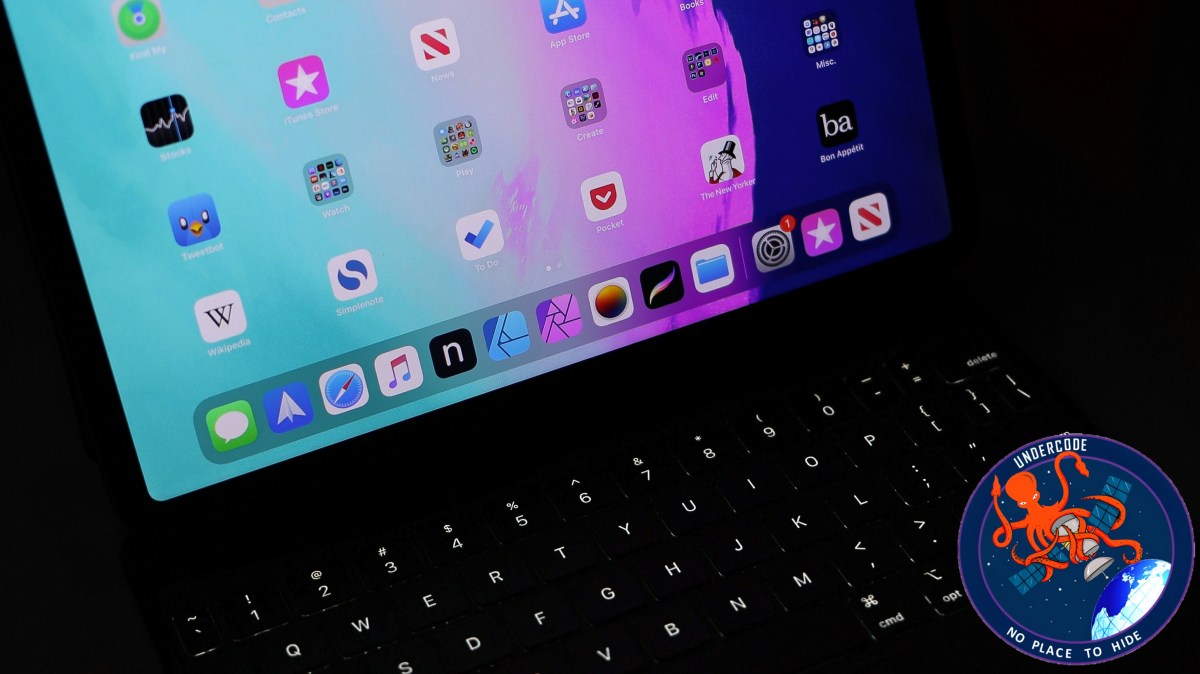
Apple’s vision of a foldable iPad, boasting a massive 18-inch display, is encountering significant development challenges that may push its launch far beyond the originally planned 2028 release. As the tech giant seeks to innovate in the tablet market, engineering and production difficulties have emerged, highlighting both the promise and complexity of creating a device that could redefine portable computing.
Apple’s Foldable iPad: An Overview
Apple has been quietly developing a foldable iPad for several years, with prototypes codenamed J312. The device, expected to retail around $3,000, is designed to rival traditional laptops when folded and provide a sprawling tablet experience when opened. Unlike its upcoming foldable iPhone, the iPad won’t feature an external display, instead resembling a MacBook when closed, with aluminum enclosures on both sides. When unfolded, it reaches roughly the size of a 13-inch laptop, making it a hybrid between portability and expansive screen real estate.
The project is being developed in collaboration with Samsung Display, using an OLED panel to deliver vibrant graphics and thinner form factors while minimizing the visible crease typical in foldable screens. Apple’s team is also grappling with the device’s weight. While a standard iPad Pro weighs 1–1.3 pounds, current foldable prototypes are closer to 3.5 pounds, comparable to a MacBook Pro, raising concerns about usability and portability.
Engineering complexities and production costs have been major obstacles. The 18-inch OLED technology is expensive, pushing the projected price significantly higher than the 13-inch iPad Pro. Comparisons to Huawei’s MateBook Fold, an 18-inch foldable available in China for roughly $3,400, underscore both the technical challenges and market opportunities. Apple aims to invigorate the iPad lineup, which has seen slowing demand as users shift interest toward Macs.
Despite the hurdles, Apple continues to innovate across product lines, including the ultrathin $999 iPhone Air, smart glasses, and robotic devices. While the foldable iPad represents a potential market game-changer, some insiders are skeptical about whether it will reach mass production, given Apple’s history of canceling initiatives that fail to meet strategic or financial benchmarks. The company’s autonomous car and the lighter Vision Pro headset are notable examples of projects shuttered despite years of development.
What Undercode Say: Analysis
Apple’s foldable iPad represents an ambitious attempt to redefine the tablet market at a time when growth has plateaued. By pushing the boundaries of display technology and form factor, Apple is positioning itself against competitors like Samsung, Huawei, Lenovo, and Motorola, all of whom have already tested consumer appetite for premium foldable devices. However, the project’s technical hurdles—weight, foldable screen durability, and production costs—highlight the delicate balance between innovation and practicality.
From a strategic perspective, the foldable iPad could signal Apple’s willingness to push into premium niche markets where design and novelty command a price premium. Yet, the potential price tag of around $3,000 limits its audience to affluent consumers and early adopters, risking a slow adoption curve. In addition, internal comparisons to Huawei’s MateBook Fold suggest that Apple is aware of existing market benchmarks but may be over-engineering its product in pursuit of perfection.
The challenge of weight is particularly notable. At 3.5 pounds, the device may compromise one of the iPad’s historical strengths: portability. Apple may need to explore alternative materials, battery optimizations, or even a thinner OLED layer to keep the device practical for daily use. Further, the folding mechanism must withstand repeated use without affecting screen quality—an engineering feat still in progress.
Apple’s history shows a pattern of cautious but revolutionary product development. The decision to delay the foldable iPad to 2029 or beyond reflects a calculated approach: the company prefers waiting to ensure technical excellence rather than rushing to market. This aligns with Apple’s broader innovation strategy, where projects such as Vision Pro and the autonomous car demonstrate a willingness to pivot or cancel initiatives if long-term viability is uncertain.
Market implications are also crucial. The foldable iPad could reignite interest in the iPad line, signaling to investors and consumers that Apple remains a leader in technological innovation. However, it also faces market saturation, with consumers increasingly weighing value versus novelty. If successful, the device could redefine tablet categories and blur lines with laptops, creating a new hybrid segment.
From a product ecosystem perspective, the foldable iPad could enhance Apple’s dominance in creative and professional markets. Its large display would appeal to designers, architects, and content creators who benefit from portable yet expansive screens. Integration with Apple Pencil, macOS-style multitasking features, and ecosystem connectivity could further distinguish it from competitors.
Apple’s collaboration with Samsung Display also reflects a strategic approach to supply chain management. By leveraging Samsung’s OLED expertise, Apple mitigates technological risk while focusing on user experience and design. Yet, this dependence introduces potential delays and cost escalations, reinforcing the likelihood of a 2029 release.
In conclusion, while Apple’s foldable iPad faces steep engineering, cost, and market challenges, its potential impact cannot be understated. The device embodies Apple’s ethos of innovation, pushing boundaries of display technology, design, and functionality. Whether it becomes a market-defining product or a niche experiment remains uncertain, but it undeniably reflects the company’s ambition to shape the future of personal computing.
🔍 Fact Checker Results
✅ Apple has been developing a foldable iPad with an 18-inch screen.
✅ The device is projected to cost around $3,000.
❌ The iPad is not expected to launch in 2028 due to technical and engineering delays.
📊 Prediction
Apple’s foldable iPad could redefine the premium tablet market by 2029, attracting creative professionals and early adopters. 🖥️💡 If Apple resolves weight and durability issues, the device may set a new standard for hybrid computing. However, mass adoption may be limited due to its high price point and niche appeal.
🕵️📝✔️Let’s dive deep and fact‑check.
References:
Reported By: www.deccanchronicle.com
Extra Source Hub (Possible Sources for article):
https://www.quora.com/topic/Technology
Wikipedia
OpenAi & Undercode AI
Image Source:
Unsplash
Undercode AI DI v2
Bing
🔐JOIN OUR CYBER WORLD [ CVE News • HackMonitor • UndercodeNews ]
📢 Follow UndercodeNews & Stay Tuned:
𝕏 formerly Twitter 🐦 | @ Threads | 🔗 Linkedin | 🦋BlueSky | 🐘Mastodon


