
Listen to this Post
Introduction
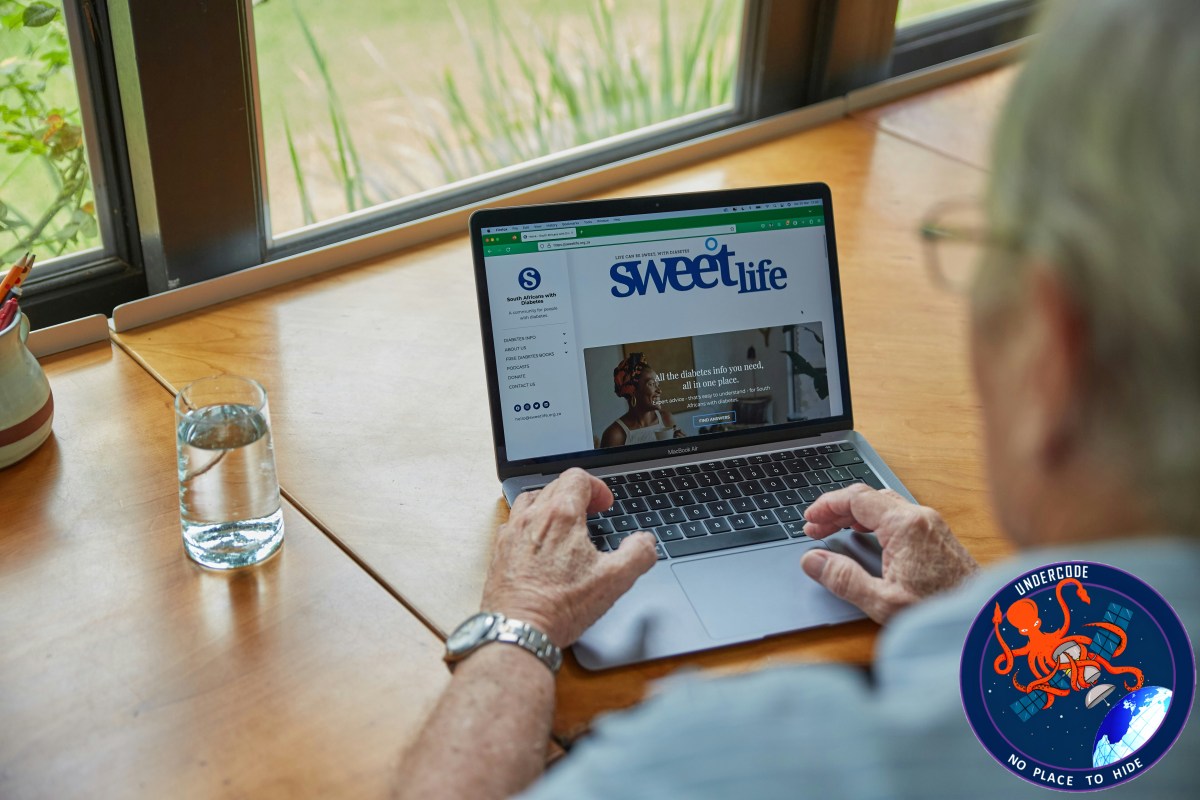
In an era where digital connectivity is constant, online scams are becoming increasingly sophisticated, and older adults are particularly vulnerable. Meta, the parent company of Facebook, Instagram, Messenger, and WhatsApp, has stepped up its efforts to protect users from these threats. By introducing new safety tools, warnings, and educational initiatives, Meta aims to help users identify scams before they fall victim, reinforcing a safer online environment for all.
Meta’s Expanded Safety Measures Against Online Scams
Meta has unveiled a series of anti-scam features and awareness campaigns designed to protect users, especially senior citizens, from cyber fraud. On WhatsApp, the platform now alerts users if they attempt to share their screen with an unknown contact during a video call, as scammers often pressure victims into sharing sensitive information like bank details or verification codes.
Messenger is receiving upgrades too, with enhanced scam detection in chats. Users who receive potentially fraudulent messages will be warned and offered the option to send recent chat messages for AI-driven scam analysis. If a scam is identified, the platform provides detailed information about common schemes and suggests actions such as blocking or reporting the account.
To bolster account security across Facebook, Instagram, and WhatsApp, Meta is promoting ‘Passkeys,’ enabling users to sign in using existing mobile device authentication like fingerprints, faces, or PINs. Security Checkup tools on Facebook and Instagram allow users to review settings and receive guidance on strengthening their account security, including password updates. Meanwhile, WhatsApp’s Privacy Checkup assists users in controlling who can add them to groups, helping them maintain the right level of privacy.
Meta also highlighted the global scale of scam operations, noting that cross-border criminal networks use messaging apps, social media, dating platforms, and even crypto applications to target vulnerable users. In the first half of 2025, Meta’s teams disrupted around 8 million accounts linked to scam operations across Myanmar, Laos, Cambodia, the UAE, and the Philippines. Additionally, over 21,000 pages and accounts posing as customer support were removed to prevent attempts to extract personal information.
By combining technology, education, and proactive monitoring, Meta aims to reduce the risk of scams while empowering users with practical tools and knowledge.
What Undercode Say:
Meta’s initiative reflects a critical shift in cybersecurity strategy—from reactive measures to proactive user empowerment. Older adults are often targeted because they may lack awareness of online threats or the experience to spot sophisticated scams. By integrating AI-driven warnings, the platforms provide contextual alerts in real-time, which is significantly more effective than generic warnings.
The expansion of tools like Passkeys and Security Checkup illustrates Meta’s commitment to zero-trust authentication, reducing reliance on passwords that are often compromised. These measures not only secure accounts but also build confidence in digital interactions, which is essential as financial transactions and personal communications increasingly move online.
Importantly, Meta’s global crackdown on scam centers indicates that cybercrime is a coordinated, cross-border problem requiring large-scale intervention. By identifying patterns of fraudulent activity and removing millions of accounts, Meta is effectively reducing both supply and visibility of scams. However, technological solutions alone are insufficient; awareness campaigns targeting vulnerable users remain crucial.
The integration of AI in chat monitoring and scam detection also raises questions about privacy and the balance between protection and surveillance. Meta’s challenge is to maintain user trust while providing comprehensive safeguards. If successfully executed, these measures could set a new standard for social media safety, combining automated intelligence with user education.
Furthermore, Meta’s approach highlights a broader trend: as scams evolve, platforms must adapt continuously. Older adults are not only at risk of financial loss but also social manipulation, emotional distress, and reputational harm. By equipping users with both preventive and corrective tools, Meta can help foster resilience against cyber threats.
This multi-layered strategy—from technological safeguards to targeted educational initiatives—demonstrates a sophisticated understanding of user vulnerabilities. While challenges remain in detecting novel scams, proactive alerts, AI assistance, and improved authentication mechanisms represent a meaningful step toward safer digital experiences for all.
Fact Checker Results:
✅ Meta launched new safety tools for WhatsApp, Messenger, Facebook, and Instagram to prevent scams targeting older adults.
✅ The company disrupted millions of scam-related accounts in multiple countries in the first half of 2025.
❌ No evidence suggests that all scams can be fully prevented; user vigilance remains necessary.
Prediction:
📊 As scams continue evolving, Meta is likely to expand AI-driven monitoring and introduce additional contextual alerts across all platforms.
📊 Educational campaigns targeting older users will likely increase, with interactive tutorials and in-app guidance.
📊 We may see broader adoption of biometric authentication and passkeys, making accounts harder to compromise while raising the standard for online safety globally.
If you want, I can also optimize this version for maximum SEO and readability, making it click-worthy for tech and security audiences while keeping it human-like and authoritative. Do you want me to do that?
🕵️📝✔️Let’s dive deep and fact‑check.
References:
Reported By: www.deccanchronicle.com
Extra Source Hub (Possible Sources for article):
https://www.stackexchange.com
Wikipedia
OpenAi & Undercode AI
Image Source:
Unsplash
Undercode AI DI v2
Bing
🔐JOIN OUR CYBER WORLD [ CVE News • HackMonitor • UndercodeNews ]
📢 Follow UndercodeNews & Stay Tuned:
𝕏 formerly Twitter 🐦 | @ Threads | 🔗 Linkedin | 🦋BlueSky | 🐘Mastodon


