
Listen to this Post
Introduction
It began as a simple exchange on X (formerly Twitter), but quickly turned into a digital nostalgia trip. A handful of developers and tech enthusiasts reignited the age-old debate: which browser truly defines the internet experience? From Firefox loyalists to Chromium defenders, and even those who still remember Safari’s early glory days, this small conversation highlighted something much larger — the fading awareness of what powers the browsers we use daily.
Summary: The Tweetstorm That Reopened the Browser Debate
In early May 2023, a conversation sparked between several tech personalities including MalwareHunterTeam, Thales, and Chris Hannah, each tossing in their opinions about browsers like Opera GX, Firefox, and Chromium-based alternatives.
The discussion began innocently, but what followed was an avalanche of nostalgia, humor, and subtle critique of today’s browser landscape.
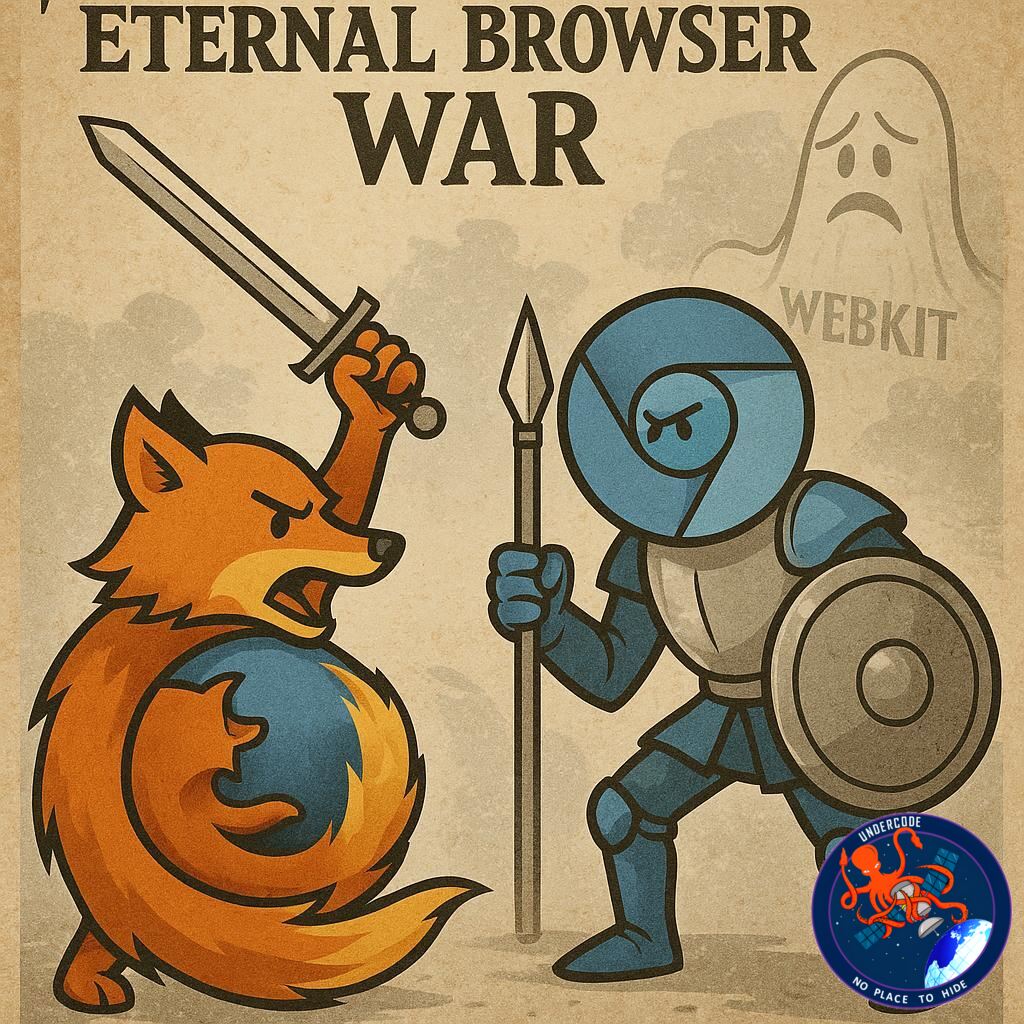
Chris Hannah pointed out that “all of those Chromium-based browsers are based on WebKit,” reminding users that Google Chrome’s open-source sibling, Chromium, owes its foundation to Apple’s WebKit engine. This triggered a series of replies that quickly became a mix of jokes, tech insights, and sarcastic remarks.
User 🔥Rugged🕊️ noted ironically that “most people don’t even know this browser exists,” referring to less mainstream options like Opera GX — a statement that exposes just how dominant the big three (Chrome, Edge, and Safari) have become.
Others joined in with humor: @MacroWorld21 joked that Firefox was like “a nice girl in the middle of bitches,” hinting at the constant tug-of-war between independent innovation and mass-market dominance. Zoltán Demeter chimed in with a touch of emotion — “Miss you, old friend,” — likely a nod to the once-great influence of Firefox or even Internet Explorer.
The thread quickly became a microcosm of how tech nostalgia blends with frustration. AstraKernel summed it up perfectly: “It is always: Chromium vs Firefox.”
Someone asked, “Where did Safari go?” — a rhetorical question that captured the quiet exit of Apple’s browser from mainstream discussion. What was once a pioneering platform now feels like a closed ecosystem relic, living in the shadow of its own legacy.
Others added lighter takes: @macson_g claimed “This is the correct icon,” perhaps pointing to the identity crisis browsers have suffered through endless redesigns. The tone was playful yet reflective — a reminder of how digital tools can shape identity and nostalgia at the same time.
By the end, even the WebKit team was symbolically represented with a crying emoji, as if mourning the forgotten roots of today’s tech giants.
What Undercode Say:
The viral thread might seem like harmless internet banter, but underneath the memes lies a deep reflection on browser monoculture — the creeping dominance of Chromium-based browsers and the quiet erosion of web diversity.
For years, browsers were about identity. Firefox was the open-source rebel. Safari was Apple’s elegant walled garden. Chrome was speed and simplicity incarnate. Opera was the tinkerer’s choice. But in 2025, everything feels… the same.
The core issue? Chromium’s absolute grip on the web. Developers optimize for it, companies build around it, and even “independent” browsers like Brave or Vivaldi depend on its DNA. That means fewer independent engines, less experimentation, and ultimately, less innovation.
When Chris Hannah reminded users that Chromium itself was born from WebKit, it exposed a full-circle irony: Google took Apple’s innovation, reshaped it, and now dominates the market it once shared. Meanwhile, Firefox — still clinging to its Gecko engine — remains a rare symbol of resistance, but its user base continues to shrink.
Why does this matter? Because browser engines are the invisible backbone of the web. When one engine dominates, the internet becomes standardized to that ecosystem’s priorities. Websites may “break” on others, discouraging competition. What looks like user convenience is often quiet consolidation.
The humor in the thread — the Firefox jokes, the Safari nostalgia — reflects a subconscious awareness: people feel the loss of diversity, even if they don’t articulate it. Browsers are more than tools; they are philosophies of access. Firefox stands for openness and privacy. Chrome for convenience. Safari for design harmony. Opera for customization. But today, it’s all Chromium under the hood.
The WebKit team’s crying emoji wasn’t just symbolic — it was prophetic. Apple’s WebKit once represented the spirit of open development and performance. Today, it’s been eclipsed by its own offspring.
In that light, the tweets become more than memes. They are digital fragments of cultural memory — reminders that once, the web was full of flavor. Now, it’s fast, sleek, efficient… and worryingly uniform.
The real question is: will the web ever reclaim its diversity? Or has convenience won the final battle against creativity?
Fact Checker Results:
✅ Chromium browsers do indeed trace their roots back to Apple’s WebKit engine.
✅ Firefox remains one of the last major browsers using a non-Chromium engine (Gecko).
❌ Safari has not disappeared, but its influence outside Apple devices has significantly waned.
Prediction:
🚀 The Browser Future Will Split in Two
In the coming years, expect a dual reality: a Chromium-powered mainstream web and a privacy-focused minority led by Firefox and smaller players. Apple will keep WebKit alive for its ecosystem, but innovation will cluster around Chromium forks. Unless the industry revives interest in true browser diversity, we may be heading toward a web experience controlled by a single engine — polished, fast, and utterly predictable.
🕵️📝✔️Let’s dive deep and fact‑check.
References:
Reported By: x.com
Extra Source Hub (Possible Sources for article):
https://stackoverflow.com
Wikipedia
OpenAi & Undercode AI
Image Source:
Unsplash
Undercode AI DI v2
Bing
🔐JOIN OUR CYBER WORLD [ CVE News • HackMonitor • UndercodeNews ]
📢 Follow UndercodeNews & Stay Tuned:
𝕏 formerly Twitter 🐦 | @ Threads | 🔗 Linkedin | 🦋BlueSky | 🐘Mastodon


