
Listen to this Post
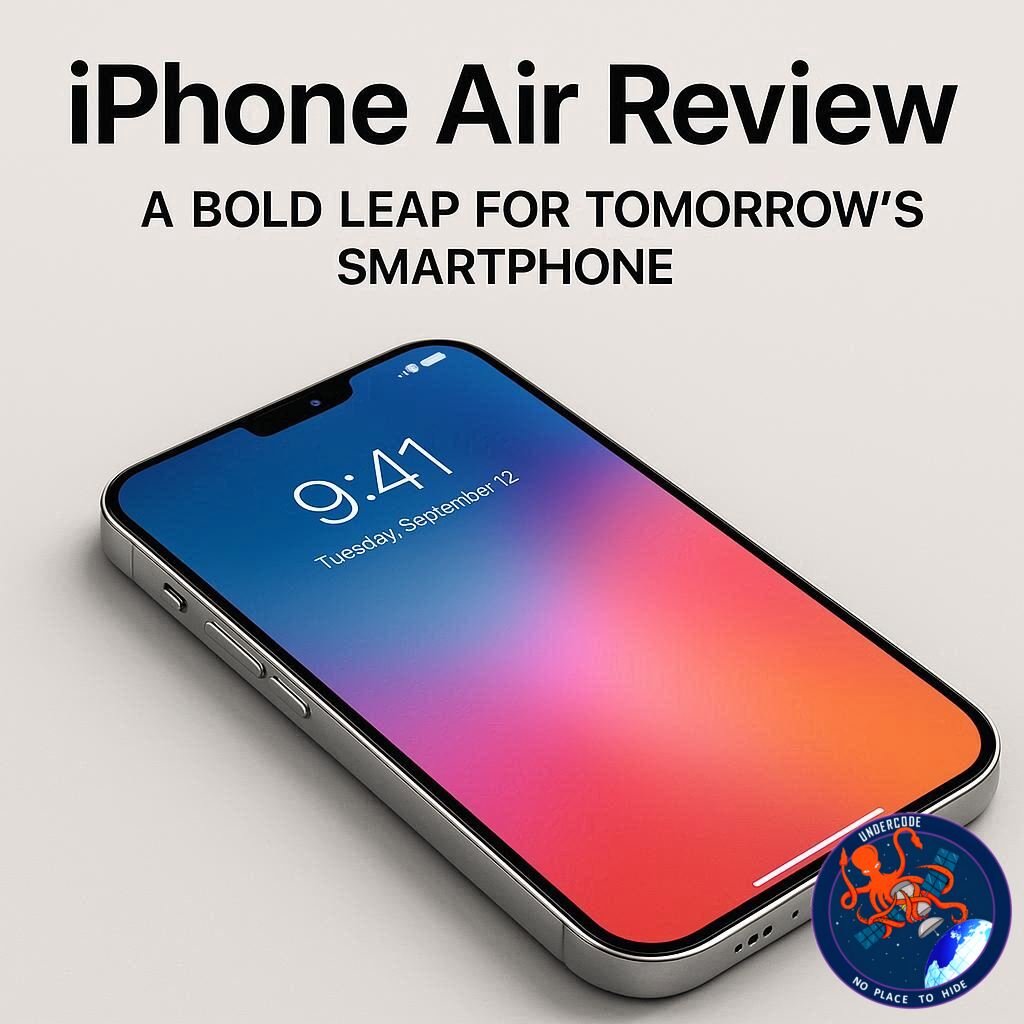
Apple’s latest iPhone lineup included a surprising newcomer: the iPhone Air. Unlike the predictable Pro models that tech enthusiasts have grown accustomed to, the Air takes a daring step forward with an ultra-thin, lightweight design and a promise of tomorrow’s technology today. After spending over a month with the device, it’s clear that this iPhone isn’t just another iteration—it’s a glimpse into Apple’s vision for the future of smartphones.
The iPhone Air immediately stands out for its audacious design choices. While Apple’s Pro line has seen steady incremental improvements, the Air breaks that mold with radical thinness and sleek ergonomics. Despite the larger screen, one-handed use feels natural, and the ultra-thin profile makes it surprisingly comfortable to carry—even in a back pocket without fear of bending. Battery life has also impressed, surpassing last year’s iPhone 16 Pro, particularly when paired with the latest iOS 26. Camera performance meets daily needs, even without a Telephoto lens, proving that Apple’s computational photography can compensate for hardware differences. The mono speaker might be a drawback for some, yet it has been largely negligible for daily use.
Users quickly adapt to its featherweight design, often needing a double-take to differentiate it from older Pro models. Interestingly, while early feedback from those who have tried the Air has been overwhelmingly positive, sales reports suggest the device hasn’t captured mainstream attention. This paradox hints at the Air being an “early adopter” model, appealing primarily to enthusiasts ready to embrace novelty and slight compromises for a taste of the future.
Apple CEO Tim Cook has likened early adopter products to the Vision Pro, describing them as devices designed for people who want tomorrow’s technology today. The iPhone Air fits this description perfectly. It introduces new possibilities, nudging the smartphone market in directions that may only fully resonate with the broader audience in years to come. Some users may hold out for longer battery life, more cameras, or stereo speakers, but for many early adopters, the Air represents the perfect combination of elegance, innovation, and practicality.
Leaks and rumors suggest that Apple is planning even bolder design shifts in upcoming models, which could further contextualize the Air as a trailblazer in the company’s lineup. In this light, the Air may be less of a commercial hit at present and more of a testing ground for Apple’s vision of future iPhones—a product that plants the seeds for what’s to come.
What Undercode Say:
The iPhone Air exemplifies Apple’s strategy of balancing innovation with accessibility. Unlike prior incremental upgrades, the Air offers a form factor and design ethos that redefines user expectations. Its ultra-thin build, impressive battery performance, and competent camera system demonstrate that radical design does not necessarily compromise utility.
Early adopter products often serve as bellwethers, signaling shifts in consumer preferences and technological feasibility. The Air’s reception among enthusiasts suggests strong latent demand, even if mainstream adoption is initially slow. Many consumers exhibit a “wait-and-see” mentality, choosing to observe early reviews before committing, which may explain the reported sales lag. Yet, Apple’s careful calibration—maintaining familiar user experience elements while introducing novelty—positions the Air as a bridge between current mainstream expectations and the next generation of smartphone design.
From a market analysis perspective, the Air could serve as a litmus test for Apple’s ability to gradually introduce radical changes without alienating its loyal user base. The device’s success—or lack thereof—may inform future Pro and non-Pro models, shaping features such as screen technology, battery longevity, and speaker performance. Its design also subtly challenges competitors, raising the bar for what a lightweight yet fully capable smartphone can offer.
The psychological adjustment users experience—initially marveling at the thinness before normalizing it—is a testament to human adaptability in technology adoption. Early positive experiences, coupled with word-of-mouth recommendations, are likely to enhance the Air’s reputation over time. Historically, Apple has leveraged early adopter enthusiasm to refine and perfect designs before scaling to mass-market appeal, a strategy that seems poised to repeat with the Air.
Moreover, the Air’s appeal underscores a broader trend in tech: consumers are increasingly drawn to devices that balance innovation with practicality. Ultra-thin, ergonomically conscious designs are no longer just aesthetic statements—they influence daily usability and comfort. By pushing the envelope while maintaining essential functionality, the iPhone Air is not merely a niche product but a blueprint for the next era of smartphones.
Even the product’s limitations—the single speaker, lack of certain camera features—can be reframed as design compromises that enable breakthrough engineering in weight and form factor. Such trade-offs highlight Apple’s ongoing willingness to experiment within established categories, ensuring that radical designs do not feel entirely alien to loyal users.
In essence, the Air is a subtle nudge toward the future, inviting both consumers and competitors to rethink smartphone design conventions. Its existence signals Apple’s intent to innovate boldly while still respecting the core elements that define the iPhone experience: battery reliability, camera performance, and user-friendly ergonomics. Over time, as early adopters validate the model and Apple iterates further, the Air may evolve from a niche curiosity into a mainstream standard.
Fact Checker Results:
✅ Battery performance exceeds expectations compared to previous iPhone models.
✅ Camera system is functional and adequate for most users despite missing Telephoto lens.
❌ Sales numbers suggest slower mainstream adoption despite positive early reviews.
Prediction:
The iPhone Air is likely to become a cult favorite among tech enthusiasts in the next 12–18 months, with Apple iterating on design improvements and performance upgrades. 📱 Its form factor could influence future non-Pro models, gradually setting a new industry standard for ultra-thin, high-performance smartphones. Early adopter feedback will likely guide Apple in refining camera systems, battery capacity, and speaker output, making subsequent versions more appealing to the mainstream market.
🕵️📝✔️Let’s dive deep and fact‑check.
References:
Reported By: 9to5mac.com
Extra Source Hub (Possible Sources for article):
https://www.digitaltrends.com
Wikipedia
OpenAi & Undercode AI
Image Source:
Unsplash
Undercode AI DI v2
Bing
🔐JOIN OUR CYBER WORLD [ CVE News • HackMonitor • UndercodeNews ]
📢 Follow UndercodeNews & Stay Tuned:
𝕏 formerly Twitter 🐦 | @ Threads | 🔗 Linkedin | 🦋BlueSky | 🐘Mastodon


