
Listen to this Post
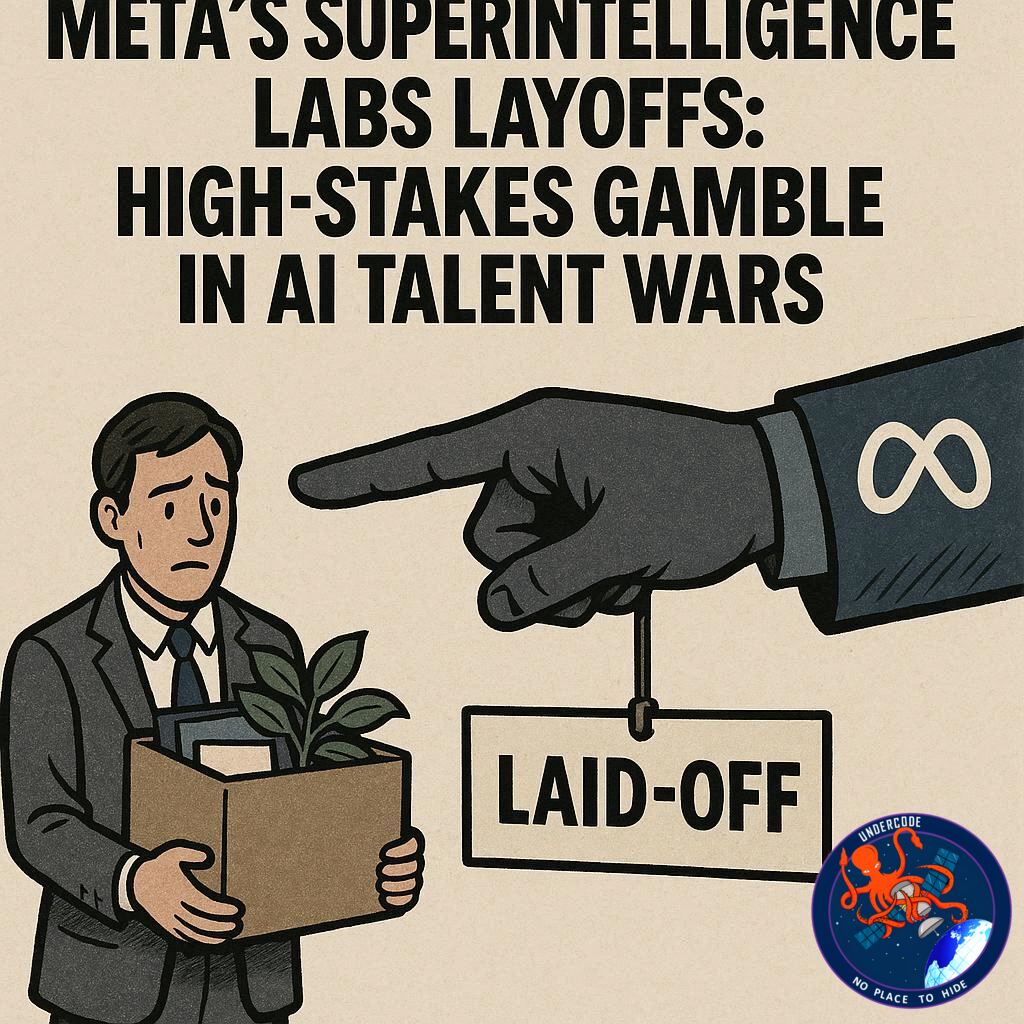
In a dramatic turn of events, Meta’s AI division, Superintelligence Labs (MSL), has made headlines once again—this time not for groundbreaking research, but for a wave of layoffs following a hiring spree that stunned Silicon Valley. Just weeks ago, Meta was grabbing headlines for offering AI researchers unprecedented $100 million pay packages, aggressively poaching talent from rivals like Google, Apple, and OpenAI. The move positioned Meta as a top contender in the AI arms race, with CEO Mark Zuckerberg personally leading the charge to assemble a world-class team. However, the excitement surrounding these high-profile hires has been tempered by recent news: 600 employees in MSL have been let go as part of a restructuring aimed at streamlining operations and boosting efficiency.
A Bold Hiring Spree Backfires
Meta’s talent strategy had been audacious. By dangling enormous pay packages, the company attracted top-tier AI experts, signaling a readiness to compete for dominance in artificial intelligence. This aggressive approach created waves in Silicon Valley, initiating a scramble among tech giants to retain and recruit elite AI engineers. Yet, the very strategy that built excitement also carried risk. After bringing in a flood of high-paid talent, the company now faces the challenge of managing a bloated team and aligning it with long-term objectives.
Meta’s Chief AI Officer, Alexandr Wang, confirmed the layoffs in an internal memo. The memo explained that reducing team size would allow faster decision-making, greater individual responsibility, and higher impact per team member. Wang emphasized that while the decision was difficult, the company remains committed to hiring AI-native talent and pursuing ambitious AI models and compute plans. The memo highlighted ongoing support for affected employees, including relocation within the company and expedited hiring processes.
Balancing Agility and Scale
The layoffs underscore a fundamental tension in AI development: balancing talent acquisition with operational agility. Hiring large numbers of highly specialized researchers may accelerate progress, but it can also create bureaucracy and inefficiencies. Meta’s decision reflects a shift from sheer scale to “talent density,” where smaller, highly capable teams are expected to execute more rapidly. The company aims to maintain momentum in its superintelligence goals while reducing internal complexity.
This move also raises questions about the sustainability of sky-high compensation in the AI sector. Multi-million-dollar offers may lure top talent, but they do not guarantee long-term alignment with organizational goals. Companies must weigh the benefits of immediate recruitment against potential challenges of managing large, costly teams.
Market and Cultural Implications
Meta’s layoffs also have broader implications for Silicon Valley and the tech ecosystem. They signal a maturing AI talent market where aggressive hiring strategies can no longer be justified purely by competition. As AI research becomes increasingly expensive and specialized, firms may pivot toward more targeted, efficiency-driven models of talent management. For employees, this could mean heightened expectations for output, adaptability, and cross-disciplinary collaboration.
The memo’s tone suggests Meta is positioning these layoffs as strategic rather than reactive, framing them as a step toward building a “most agile and talent-dense” team. Yet, such restructuring carries risks, including potential talent attrition, morale challenges, and public perception issues.
What Undercode Say:
Meta’s approach reveals the paradox of AI superintelligence ambitions: the drive to dominate the sector can clash with operational realities. Hiring top-tier talent at astronomical pay levels builds visibility and accelerates early-stage innovation, but managing large, specialized teams introduces coordination costs that can slow progress. The layoffs indicate a course correction, prioritizing agility and concentration of expertise over sheer headcount.
The move also highlights the psychological and cultural dimensions of tech labor. Employees who joined for high salaries may now face uncertainty, challenging the notion that compensation alone ensures loyalty or optimal performance. The memo’s emphasis on “load-bearing” individuals and higher individual impact underscores a shift toward high accountability and efficiency, aligning incentives with strategic objectives.
Strategically, Meta seems to be hedging its bets. While cutting jobs, it reinforces commitment to AI investment and model development. This dual message—streamlining the workforce while intensifying AI efforts—suggests an attempt to balance financial prudence with technological ambition. It reflects a broader industry trend: AI development is not just about talent acquisition but also about optimizing workflows, resources, and organizational focus.
Additionally, the layoffs serve as a cautionary tale for tech companies indulging in talent wars. While poaching competitors’ employees may yield short-term gains, scaling teams without clear operational structures can create bottlenecks. Agile, lean teams may prove more effective for developing complex AI systems than sprawling units with overlapping roles.
Meta’s public communication is also instructive. By framing layoffs as strategic, supportive, and future-focused, the company mitigates potential backlash while reinforcing its identity as an AI leader. However, the success of this strategy depends on execution: ensuring remaining teams are motivated, productive, and aligned with superintelligence goals.
From a broader perspective, this episode reflects the increasing tension between human capital and technological capital in AI. As compute resources, algorithms, and data grow ever more powerful, managing the human element becomes critical. Firms that excel in this balance will likely set the pace for innovation in the coming years.
The layoffs may also signal a maturation in AI project management, where results matter more than prestige or team size. Smaller, highly skilled teams might deliver breakthroughs faster than large units, especially in fields requiring deep specialization, such as superintelligence.
Meta’s strategy could influence the market by pushing competitors to rethink talent management, compensation, and organizational design. It raises questions about sustainability in the AI arms race, the ethics of high compensation for a select few, and the long-term impact on innovation ecosystems.
The company’s ability to continue attracting AI-native talent while managing internal transitions will be closely watched. How effectively Meta converts “talent density” into innovation velocity could set a benchmark for other firms aiming for breakthroughs in artificial intelligence.
Ultimately, this scenario highlights a key lesson: in AI, scale and resources matter, but focus, agility, and strategic alignment may matter even more. Meta’s bold moves—first in hiring, now in streamlining—illustrate the high-stakes nature of this rapidly evolving field.
Fact Checker Results:
✅ Meta did offer exceptionally high pay packages to AI researchers.
✅ Meta Superintelligence Labs laid off around 600 employees recently.
❌ Layoffs do not indicate a decrease in overall AI investment; hiring continues.
Prediction:
📊 Meta’s restructuring may set a precedent for AI firms emphasizing agility over sheer team size.
📊 Remaining teams are likely to face higher accountability and workload, accelerating innovation cycles.
📊 Silicon Valley could see a shift from talent poaching to strategic talent optimization, as companies prioritize efficiency and results over headline-grabbing compensation.
🕵️📝✔️Let’s dive deep and fact‑check.
References:
Reported By: timesofindia.indiatimes.com
Extra Source Hub (Possible Sources for article):
https://www.discord.com
Wikipedia
OpenAi & Undercode AI
Image Source:
Unsplash
Undercode AI DI v2
Bing
🔐JOIN OUR CYBER WORLD [ CVE News • HackMonitor • UndercodeNews ]
📢 Follow UndercodeNews & Stay Tuned:
𝕏 formerly Twitter 🐦 | @ Threads | 🔗 Linkedin | 🦋BlueSky | 🐘Mastodon


