
Listen to this Post
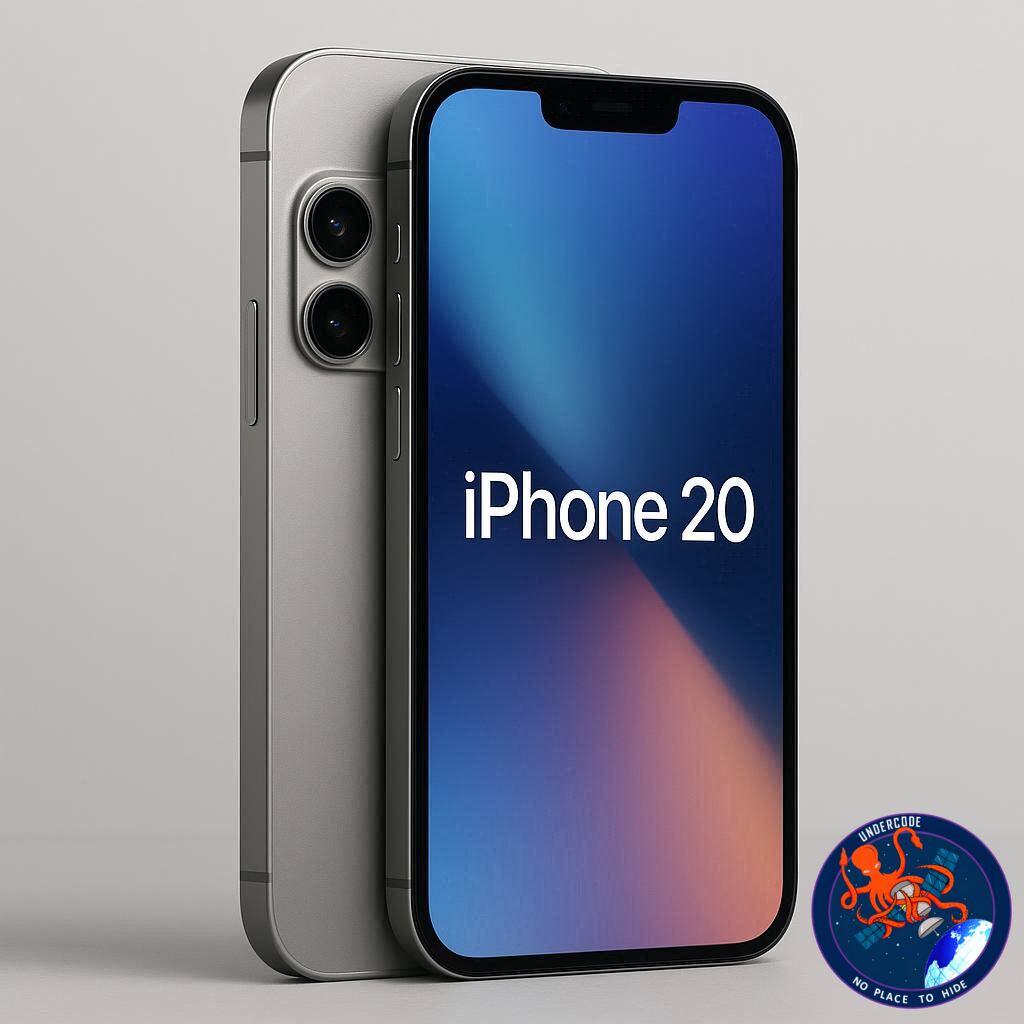
Apple fans may be in for a surprise in 2027. Analysts predict that the tech giant could skip the iPhone 19 entirely, jumping straight to the iPhone 20 to celebrate the 20th anniversary of its iconic smartphone. This speculation, reported by ET News and discussed by Omdia Chief Researcher Heo Moo-yeol, hints at a potential shift in Apple’s long-standing naming convention, raising questions about the future of iPhone model numbering.
According to Omdia, Apple could launch the iPhone 18e and iPhone 20 in the first half of 2027, followed by iPhone 20 Air, Pro, Pro Max, and iPhone Fold 2 in the second half of the year. While this prediction seems speculative rather than confirmed, it aligns with broader discussions about the increasingly unwieldy nature of Apple’s sequential numbering system. Critics argue that continuing with numbers could eventually result in absurdly high figures—will we really see an iPhone 53 or iPhone 104 in the future?
Many suggest that Apple should adopt a year-based naming system, similar to what it already uses for its operating systems. For instance, iOS 26 and macOS 26 span 2025-2026, providing a simpler reference for consumers. Applying this logic to iPhones could streamline naming while keeping the product line clear. In practice, this would look like:
iPhone (2025)
iPhone Air (2025)
iPhone Pro (2025)
iPhone Pro Max (2025)
Older models could retain their release year for distinction:
iPhone (2024)
iPhone e (2024)
This system mirrors how Apple currently handles MacBooks, where the product name is central, and the year or chip distinguishes specific models. It avoids unnecessary complexity and keeps the brand consistent across devices. The same approach could extend to other Apple products, like the Apple Watch and AirPods, e.g., AirPods Pro (2025). Even adopting a “car manufacturer” style naming, where the year reflects the next release cycle, could work to align devices with their corresponding OS updates.
What Undercode Say:
Apple’s numbering dilemma reflects a broader challenge in product branding: balancing legacy recognition with simplicity and user clarity. The iPhone, more than any other Apple product, carries a cultural and technological weight. Consumers are not just buying a phone; they’re buying an identity and a statement about being at the forefront of innovation. Sequential numbers once made sense, signaling incremental improvements and easy differentiation between generations. However, as the sequence grows, the numbers lose intuitive value. How many of us remember what new features arrived with iPhone 15 versus iPhone 16 without checking online?
A year-based naming system could solve multiple problems at once. It provides instant clarity—consumers know exactly which model is current, and which belongs to a previous year—without overloading the brand with arbitrary numbers. From a marketing standpoint, it also allows Apple to focus on product features and experience rather than relying on a monotonous numerical progression to signal innovation. The cultural significance of milestones, like the 20th anniversary in 2027, can still be highlighted through marketing campaigns rather than the model number itself.
This approach also complements Apple’s strategy across its ecosystem. Just as macOS, iPadOS, and watchOS use numbers tied to release years, smartphones adopting the same system would create brand coherence. Retail experiences could be simplified as well; buyers would encounter a clear lineup in stores and online, reducing confusion over multiple “Pro,” “Air,” or numbered variants.
Furthermore, moving away from numeric progression emphasizes sustainability in brand communication. As Apple continues to expand product features—Foldable screens, advanced cameras, and AI integration—numbering can’t keep pace with innovation. Highlighting features or release years communicates value directly, rather than implying incremental superiority via arbitrary numbers. It also opens opportunities for Apple to create limited editions or special releases tied to anniversaries without conflicting with sequential numbering.
Adopting a year-based system could also be a subtle but significant psychological shift for consumers. Instead of chasing the “latest number,” users become aware of yearly updates, naturally framing their purchase decisions around time and relevance rather than competition with previous owners. This could subtly influence upgrade cycles, purchase timing, and even resale value perception. Additionally, with Apple’s ecosystem approach, aligning iPhone naming with other devices reduces friction in multi-device management.
While the speculation about skipping iPhone 19 remains unconfirmed, it serves as a catalyst for the larger conversation: the iPhone naming strategy needs evolution. Whether Apple opts for a year-based system, a simplified model designation, or a hybrid approach, the goal is clear: clarity, consistency, and reinforcing the iPhone’s cultural and technological leadership without confusing or overwhelming consumers.
Fact Checker Results:
✅ Omdia predicts Apple may skip iPhone 19 and launch iPhone 20 in 2027.
❌ No official confirmation from Apple; current information is speculative.
✅ The discussion aligns with broader trends of simplifying product naming for consumer clarity.
Prediction:
Apple is likely to experiment with simplified or year-based naming by 2027. 🌟 If implemented, the iPhone could transition to a format like “iPhone (2027)” for the flagship and “iPhone Air (2027)” for alternatives, creating a clearer, more cohesive ecosystem. This could also set a precedent for all Apple products, fostering consistency across devices and reducing brand confusion over time.
🕵️📝✔️Let’s dive deep and fact‑check.
References:
Reported By: 9to5mac.com
Extra Source Hub (Possible Sources for article):
https://www.twitter.com
Wikipedia
OpenAi & Undercode AI
Image Source:
Unsplash
Undercode AI DI v2
Bing
🔐JOIN OUR CYBER WORLD [ CVE News • HackMonitor • UndercodeNews ]
📢 Follow UndercodeNews & Stay Tuned:
𝕏 formerly Twitter 🐦 | @ Threads | 🔗 Linkedin | 🦋BlueSky | 🐘Mastodon


