
Listen to this Post
Introduction:
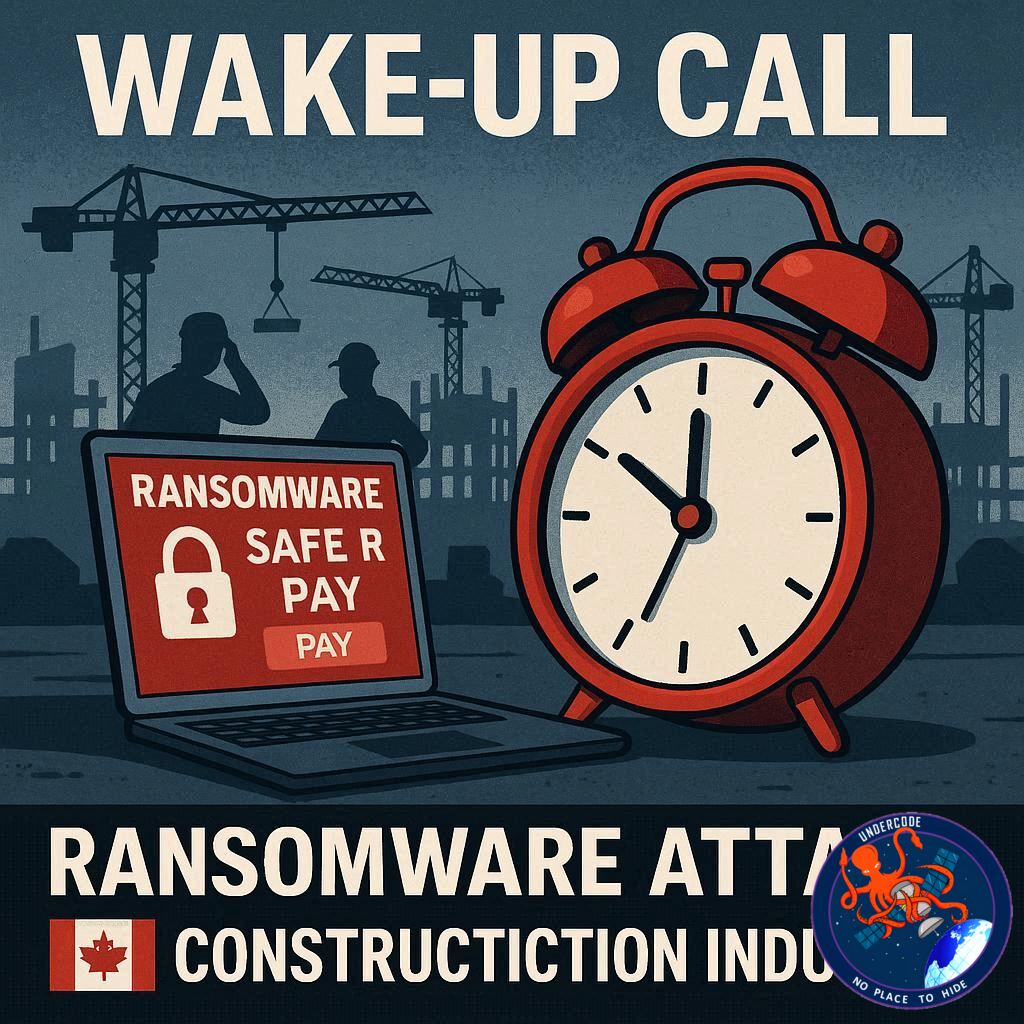
In the quiet mountain town of Mont-Tremblant, Canada, a seemingly local construction firm has become the latest victim of a global cybercrime trend. Safepay — a ransomware group notorious for targeting mid-sized enterprises — has struck again, this time against Construction D. Provost, a regional contractor. While the company’s name might not make national headlines, the implications of this attack ripple far beyond a single business. It’s a stark warning for Canada’s entire construction sector, an industry now caught in the crossfire of cyber extortionists who see weak digital defenses as open doors to profit.
A New Target in the Digital Battlefield
The recent ransomware incident involving Construction D. Provost is not just another breach — it’s a symbol of how cybercrime has evolved to exploit industries once considered “offline.” Safepay, a ransomware collective that thrives on data theft and digital blackmail, has expanded its focus toward regional businesses that often lack robust cybersecurity frameworks.
The group reportedly infiltrated the contractor’s systems, encrypting vital data and demanding payment in cryptocurrency to unlock access. For small to mid-sized enterprises (SMEs) like Construction D. Provost, this kind of disruption is catastrophic. These firms often juggle tight budgets, and their dependence on digital project management systems, CAD blueprints, and client databases makes them especially vulnerable.
What makes this case alarming is its geographic and industrial context. Mont-Tremblant, known more for tourism and real estate development, now finds itself on the map for all the wrong reasons — as a cyberattack hotspot. Canada’s construction industry, valued at over $170 billion annually, is undergoing rapid digital transformation, integrating technologies like Building Information Modeling (BIM), IoT sensors, and cloud-based design tools. Yet, many companies fail to pair this modernization with adequate cyber defenses.
Safepay’s strike exposes this imbalance brutally. Industry insiders suggest that ransomware groups are moving away from large corporations, where cybersecurity teams are well-equipped, and instead are targeting smaller regional contractors with limited protection but high data value.
In practical terms, these attacks don’t just lock files — they halt projects, delay payments, disrupt logistics, and compromise sensitive architectural data. If blueprints are stolen or leaked, it could lead to safety risks, intellectual property theft, or even bidding manipulation in future tenders.
The Canadian Centre for Cyber Security has repeatedly warned that ransomware remains the most disruptive cyber threat to small and medium enterprises in the country. Yet, despite this awareness, many firms continue to underestimate their exposure. Construction D. Provost’s experience serves as a painful case study in how quickly “business as usual” can turn into “business offline.”
Cybersecurity specialists emphasize that ransomware attacks often start with simple vulnerabilities — outdated software, weak passwords, or phishing emails. In sectors like construction, where digital literacy among field staff may vary, these risks multiply.
Moreover, ransomware gangs like Safepay often adopt a “double extortion” strategy — encrypting the victim’s data while simultaneously threatening to publish it on dark web leak sites if the ransom isn’t paid. This tactic not only increases pressure on victims but also creates secondary reputational and legal damage, especially if client or partner data is exposed.
As digital blueprints, payroll systems, and supplier contracts migrate online, construction companies become digital custodians of highly sensitive data. Losing access to that data — or having it leaked — can derail operations for weeks and permanently erode client trust.
This latest attack, though localized, signals a broader shift in the cyber threat landscape. No longer are ransomware actors content with attacking hospitals or tech firms; now they’re drilling into the very foundation of our built environment.
What Undercode Say:
Safepay’s assault on Construction D. Provost reveals a critical blind spot in Canada’s digital defense strategy — the neglect of mid-tier industries that form the backbone of the economy. Construction firms, often viewed as “offline” or low-tech, are now being forced into a digital reality without adequate preparation.
Let’s analyze this from a systems perspective:
Economic Vulnerability: Construction firms handle millions in contracts and infrastructure projects. Even a few days of downtime can lead to financial hemorrhage, delayed projects, and broken trust among clients and investors.
Cyber Illiteracy: Many mid-size contractors lack dedicated IT departments. Cybersecurity is outsourced or handled by generalists, leaving gaps that sophisticated groups like Safepay can exploit with ease.
Data Gravity: Construction companies now store not only blueprints but also client credentials, financial data, and government permits. This makes them lucrative targets — each dataset has a black-market value.
Digital Infrastructure Lag: The sector’s transition to cloud-based systems, while efficient, has not been matched with equally modern cybersecurity measures. Outdated systems and inconsistent software patching leave open doors for attackers.
From an analytical lens, Safepay’s pattern fits the broader “SME ransomware economy” model, where cybercriminals target small enterprises that can’t afford long downtime and are more likely to pay ransoms quickly.
What’s worrying is that such incidents often go unreported publicly, meaning the scale of ransomware in Canada’s construction sector is likely underrepresented. Without transparency, collective learning and defense-building remain stagnant.
Furthermore, Canada’s regional contractors are often intertwined with larger government or commercial projects. A breach in one link of this chain could have cascading effects — exposing government data, delaying infrastructure work, or even compromising national security in extreme cases.
It’s not just about a single contractor; it’s about the digital ecosystem of subcontractors, engineers, designers, and suppliers who share interconnected systems. One compromised partner can open doors to many.
The future of construction security lies not just in better firewalls, but in human awareness, cybersecurity culture, and proactive monitoring. Employee training, regular backups, and third-party audits are essential shields against attacks like this.
Canada’s federal cybersecurity frameworks must also evolve to address industry-specific threats. Construction firms require tailored guidelines and incentives to adopt cyber hygiene practices, much like safety regulations on job sites.
If Canada fails to act, Safepay’s attack could be just the first crack in a larger digital collapse — one that affects infrastructure integrity, economic stability, and public trust.
Fact Checker Results:
✅ Safepay has an active record of ransomware activity targeting SMEs.
✅ Construction D. Provost is a verified contractor in Mont-Tremblant, Quebec.
❌ No public record yet confirms ransom payment or data leak status.
Prediction 🔮
Within the next year, ransomware groups like Safepay will intensify attacks on regional industries, particularly construction, logistics, and real estate. Expect insurance costs to rise, regulatory bodies to demand cybersecurity compliance, and companies to prioritize digital resilience as seriously as physical safety. Canada’s construction firms must now build not just structures — but shields.
🕵️📝✔️Let’s dive deep and fact‑check.
References:
Reported By: x.com
Extra Source Hub (Possible Sources for article):
https://www.stackexchange.com
Wikipedia
OpenAi & Undercode AI
Image Source:
Unsplash
Undercode AI DI v2
Bing
🔐JOIN OUR CYBER WORLD [ CVE News • HackMonitor • UndercodeNews ]
📢 Follow UndercodeNews & Stay Tuned:
𝕏 formerly Twitter 🐦 | @ Threads | 🔗 Linkedin | 🦋BlueSky | 🐘Mastodon


