
Listen to this Post
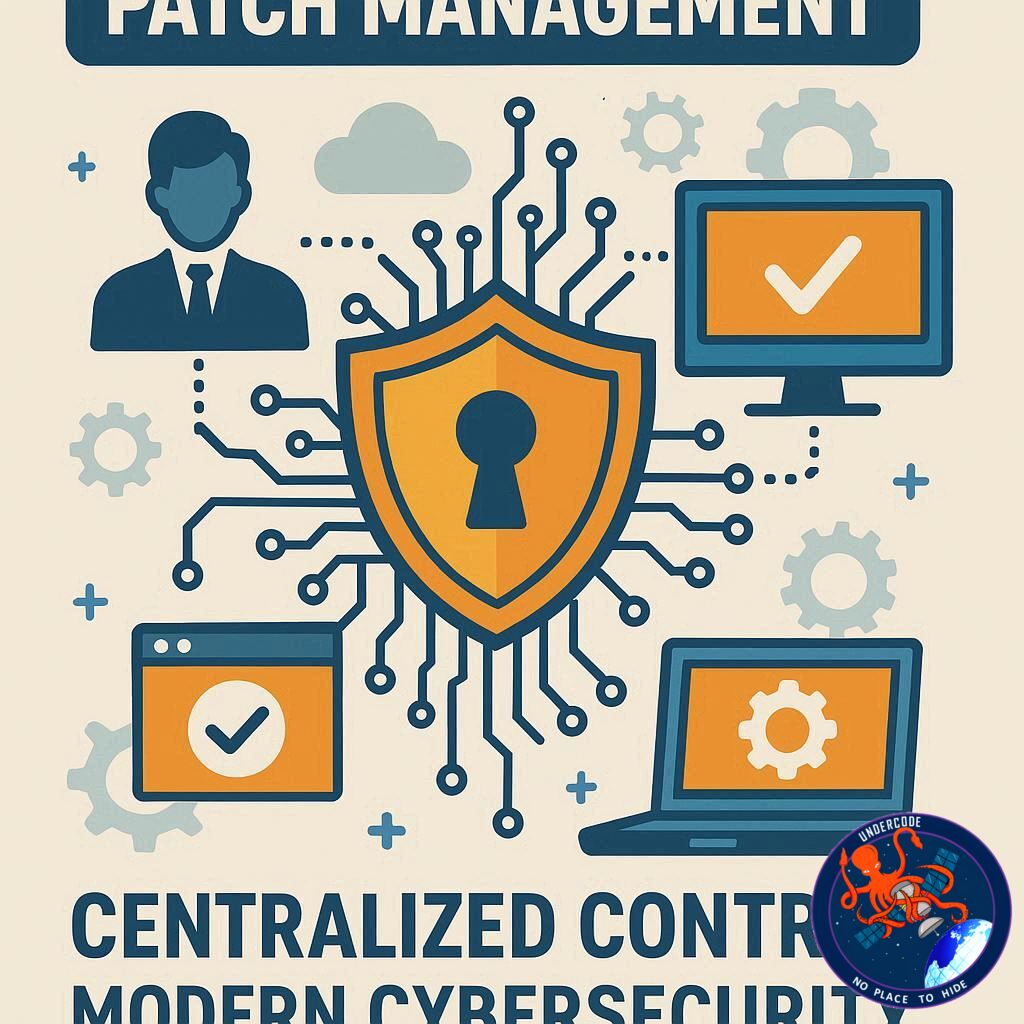
In today’s digital battlefield, cyber threats evolve faster than most organizations can respond. The rise of remote work, multi-cloud environments, and interconnected systems has made it almost impossible to manually track vulnerabilities across devices and applications. Amid this chaos, one concept stands out as the silent guardian of IT resilience — effective patch management.
Patch management, often overlooked as a simple maintenance routine, has become one of the most critical defenses against cyberattacks. From ransomware exploiting unpatched systems to compliance audits demanding proof of remediation, the ability to see, control, and act on every update across your digital ecosystem determines whether an organization stays secure — or becomes the next headline breach.
Cloud-native platforms now sit at the heart of this evolution, transforming patch management from a tedious checklist into a data-driven, automated defense mechanism. They bring centralized visibility, real-time analytics, and the ability to remediate vulnerabilities at scale. In other words, automation has become not just a convenience — but a necessity.
The New Era of Patch Management
In complex IT environments, visibility is the foundation of security. Without knowing what assets exist and what vulnerabilities affect them, patching becomes a game of chance. Centralized visibility — through unified dashboards and intelligent inventory management — empowers security teams to prioritize based on risk, exposure, and business impact.
Traditional patching models relied on manual intervention and fragmented tools. IT administrators were often juggling spreadsheets, maintenance windows, and inconsistent system reports. This fragmentation created blind spots — the very openings that hackers exploit.
Modern cloud-native platforms eliminate those gaps. They integrate across hybrid infrastructures, pulling real-time data from servers, endpoints, and cloud workloads. Artificial intelligence now identifies which vulnerabilities pose immediate threats, automatically deploying patches or mitigating risks through configuration changes.
It’s no longer just about applying updates — it’s about strategic vulnerability management. Automation ensures consistency, while analytics provide the foresight to act before breaches occur. The result is a proactive rather than reactive defense posture.
Moreover, regulatory frameworks like ISO 27001, NIST, and GDPR increasingly require proof of consistent patch application. Failure to comply doesn’t just mean security risk — it can lead to financial penalties and reputational damage. Centralized control streamlines compliance reporting, creating a verifiable audit trail that satisfies both technical and legal requirements.
When properly implemented, automated patch management can reduce remediation time from weeks to hours. Organizations leveraging these platforms not only close security gaps faster but also free their IT teams to focus on strategic innovation rather than firefighting incidents.
The integration of data-driven decision-making further enhances prioritization. By correlating vulnerability severity with exploit likelihood and asset criticality, cloud-native systems optimize patch deployment. This means that instead of patching everything blindly, companies can patch smartly, focusing resources where they matter most.
As businesses scale globally, this centralized approach ensures uniform protection. Whether managing thousands of servers in a data center or distributed IoT devices across continents, centralized patch management ensures every node operates under the same security standards — eliminating the “weakest link” scenario.
Ultimately, the shift toward cloud-native automation redefines cybersecurity efficiency. It’s not just a technical upgrade — it’s a cultural shift toward resilience, precision, and accountability in digital defense.
What Undercode Say:
The conversation around patch management often sounds dry — until a breach happens. What this transformation truly represents is a paradigm shift in operational security.
For years, IT departments treated patching as routine hygiene: necessary, but uninspired. Yet today, in a landscape dominated by supply-chain attacks, zero-day exploits, and ransomware-as-a-service, patch management has become the first responder of cybersecurity. The faster an organization can detect and close vulnerabilities, the lower its risk exposure and downtime costs.
From an analytical perspective, automation offers a profound efficiency advantage. Machine learning-driven patch intelligence can now predict exploit trends based on dark web chatter, vulnerability disclosures, and behavioral analytics. This predictive capacity allows organizations to preemptively patch high-risk systems before attackers even move.
However, technology alone is not enough. Organizational alignment is crucial. Centralized visibility demands collaboration between IT, security, and compliance teams. Siloed departments — still common in legacy enterprises — often create communication gaps that delay remediation. The companies leading the way are those that merge these disciplines under unified governance, backed by executive support.
The economics of patch management are also changing. Downtime, customer distrust, and breach remediation costs often dwarf the investment in automated systems. What once was viewed as an IT expense now becomes a business enabler — a measurable return on investment through risk reduction.
Undercode’s analysis suggests that by 2027, organizations adopting cloud-native patch automation will reduce vulnerability exposure windows by up to 80%. This isn’t speculative; it’s based on measurable metrics observed in early adopters across finance, healthcare, and critical infrastructure.
The future will demand not just automation but autonomous response — systems that self-heal without human initiation. Imagine a platform that detects an unpatched exploit, downloads the required update, verifies compatibility, deploys it during non-peak hours, and reports completion to compliance dashboards — all without human input.
That’s the horizon of patch management — zero-touch remediation.
In essence, patch management is no longer the IT department’s housekeeping chore; it’s the strategic nervous system of enterprise cybersecurity.
Fact Checker Results
✅ Centralized visibility reduces human error and blind spots.
✅ Cloud-native automation shortens patching time from weeks to hours.
❌ Manual patching remains viable for large-scale hybrid infrastructures — it no longer scales effectively.
Prediction 🔮
By 2030, most global enterprises will operate autonomous patch ecosystems powered by AI-driven analytics and compliance intelligence. The term “manual patching” will become obsolete — replaced by continuous, predictive vulnerability management. Organizations embracing this evolution early will enjoy stronger resilience, lower operational costs, and faster incident response. Those who don’t? They’ll still be patching yesterday’s problems tomorrow.
🕵️📝✔️Let’s dive deep and fact‑check.
References:
Reported By: x.com
Extra Source Hub (Possible Sources for article):
https://www.facebook.com
Wikipedia
OpenAi & Undercode AI
Image Source:
Unsplash
Undercode AI DI v2
Bing
🔐JOIN OUR CYBER WORLD [ CVE News • HackMonitor • UndercodeNews ]
📢 Follow UndercodeNews & Stay Tuned:
𝕏 formerly Twitter 🐦 | @ Threads | 🔗 Linkedin | 🦋BlueSky | 🐘Mastodon


