
Listen to this Post
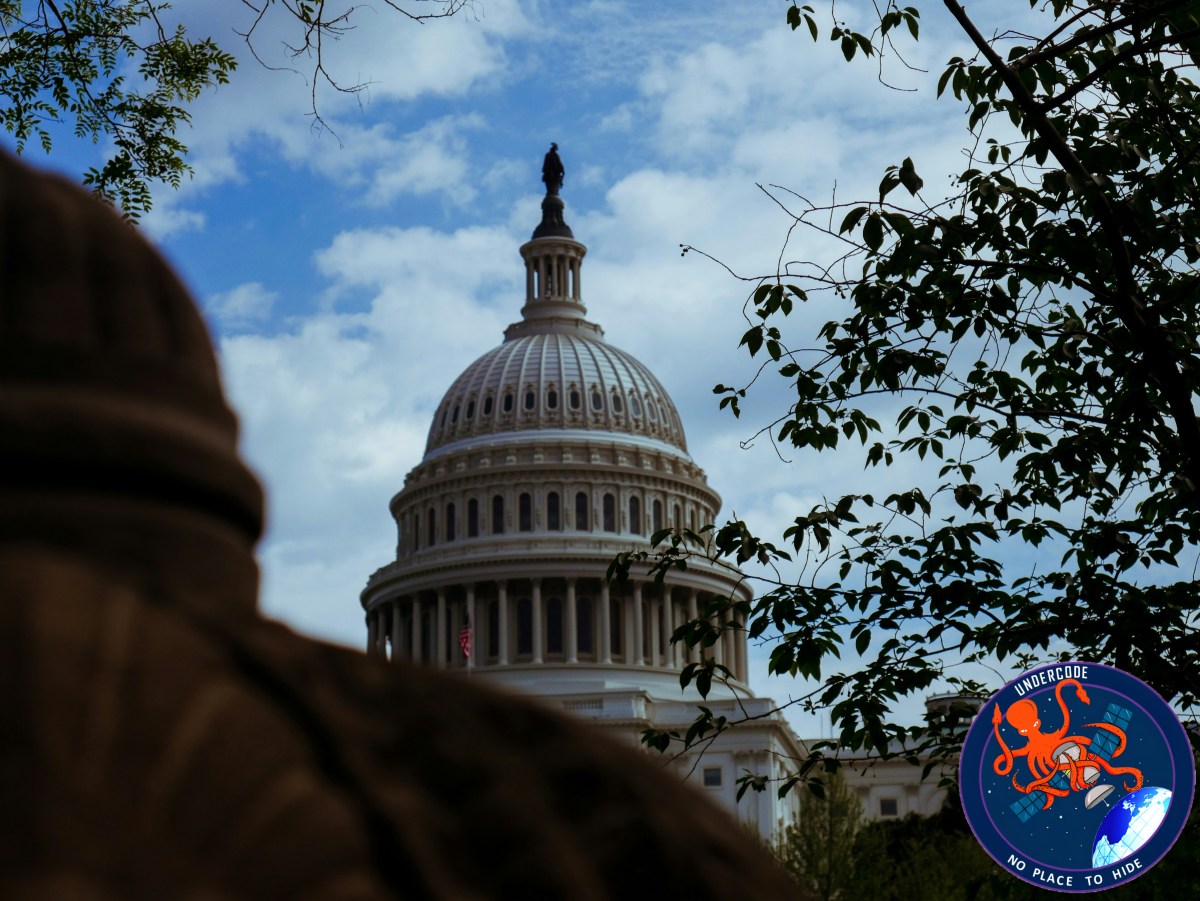
The mounting pressure from America’s biggest corporate leaders
As the United States government shutdown enters its 30th day, frustration among the country’s top business leaders has reached a breaking point. CEOs from nearly every corner of corporate America — from Apple to Walmart — have united under the powerful Business Roundtable to call on Congress to immediately reopen the government. Their message is clear and urgent: the longer the shutdown continues, the more irreversible the damage becomes, threatening millions of Americans and the nation’s economic stability.
The Economic Fallout No One Can Ignore
In a strongly worded statement, the Business Roundtable warned that “the longer the shutdown persists, the larger and more durable the economic damage becomes — and some of it could never be recovered.” This marks one of the most unified corporate interventions in recent political history, as approximately 200 CEOs — representing industries from technology and retail to transportation and finance — step forward to demand government action.
The shutdown, now stretching into its fourth week, has already begun to cripple essential services and ripple across sectors that rely on federal funding or cooperation. The impact on small businesses is particularly severe. According to the U.S. Chamber of Commerce, more than 65,000 small businesses that contract with the federal government stand to lose about $3 billion every week the government remains closed. These are not just statistics — they represent livelihoods, payrolls, and communities that depend on federal activity to stay afloat.
The social cost is equally alarming. Around 42 million Americans risk losing their Supplemental Nutrition Assistance Program (SNAP) benefits starting this weekend. For families already living on the edge, that could mean empty refrigerators and impossible choices between rent, medicine, and food.
Meanwhile, the ripple effect across the travel and aviation industry is becoming harder to contain. Thousands of federal workers — including air traffic controllers, TSA agents, and customs officers — are continuing to work without pay. Their absence or exhaustion is leading to delays, staffing shortages, and growing safety concerns. Airline CEOs, including those from Delta, United, and American Airlines, have publicly joined the Business Roundtable’s plea for an immediate resolution. “Our air traffic controllers, TSA, and CBP officers deserve their paychecks,” Delta stated. “Congress must act to reopen the government now.”
Neil Bradley, the chief policy officer of the U.S. Chamber of Commerce, echoed the urgency: “The Chamber is again calling on Congress to immediately pass the continuing resolution to reopen and fund the government.”
The message from America’s corporate leadership is unified and unmistakable. Beyond politics, the economic engine of the nation is sputtering, and the collateral damage could be permanent.
What Undercode Say:
The Business Roundtable’s intervention in the ongoing shutdown crisis reveals a deeper truth about the fragile balance between politics and economics in America. When the machinery of government stops, the private sector bleeds too. While politicians may treat shutdowns as bargaining chips in legislative standoffs, corporations — especially those employing millions of Americans — view them as existential threats.
Historically, government shutdowns have had measurable short-term costs, but this one has extended beyond the usual tolerance window. By day 30, the damage compounds: confidence erodes, liquidity tightens, and businesses begin to hesitate on investment decisions. CEOs are not merely advocating for stability out of self-interest — they are ringing the alarm on behalf of a broader ecosystem that includes workers, suppliers, and customers.
There’s also a reputational dimension at play. When leading companies like Apple, Walmart, and Delta publicly call on Congress to act, they signal to investors and consumers alike that the political gridlock has breached a line of national economic responsibility. This is not about partisanship; it is about credibility. Markets thrive on predictability, and a government that cannot keep its doors open undermines investor trust in the world’s largest economy.
Moreover, the collateral strain on small businesses and households cannot be overstated. When federal spending halts, the downstream effects reach local communities. Construction projects pause, research grants freeze, and service contracts evaporate. The average citizen might not see the political calculations behind a shutdown, but they will certainly feel its consequences in their wallets and workplaces.
The aviation sector’s involvement also speaks volumes. Airlines depend on an intricate web of federal services — from safety inspections to customs operations. The current strain on unpaid air traffic controllers and security personnel isn’t just a payroll issue; it’s a safety issue. When fatigue and financial stress enter the cockpit or control tower, the entire system’s reliability is at risk.
From a macroeconomic standpoint, the prolonged shutdown could shave several tenths of a percent off quarterly GDP growth, according to multiple analysts. But beyond the statistics lies something more intangible yet crucial — trust. Trust that government will function, that institutions will keep their commitments, and that the rules of commerce won’t suddenly shift because of political stalemate.
For CEOs, the message to Congress is simple: restore normalcy. Every day of inaction doesn’t just hurt public employees or federal programs — it erodes America’s economic foundation piece by piece.
The Business Roundtable’s statement may well be the canary in the coal mine, warning that even the most powerful private institutions cannot insulate themselves from governmental dysfunction. If Congress fails to act soon, the consequences could redefine corporate-government relations for years to come, pushing more businesses to lobby directly for structural reforms that minimize such political disruptions in the future.
Ultimately, this episode reminds us that economic resilience isn’t built solely on market performance or quarterly earnings. It depends on a functioning, stable government that can uphold the framework within which all businesses operate. Without that foundation, even the most successful corporations become vulnerable to the tides of political chaos.
🔍 Fact Checker Results
✅ Business Roundtable represents roughly 200 top U.S. CEOs from major companies.
✅ Shutdown effects include SNAP benefit risk for 42 million Americans and $3B weekly losses for contractors.
✅ Airline executives have publicly urged Congress to reopen the government.
📊 Prediction
If Congress does not act within the next two weeks, market confidence may weaken, airline operations could face severe disruptions ✈️, and small-business loan pipelines may freeze 💼. Public pressure from corporate America is likely to intensify, potentially forcing bipartisan negotiations to end the impasse. 💬
🕵️📝✔️Let’s dive deep and fact‑check.
References:
Reported By: axioscom_1761855690
Extra Source Hub (Possible Sources for article):
https://www.stackexchange.com
Wikipedia
OpenAi & Undercode AI
Image Source:
Unsplash
Undercode AI DI v2
Bing
🔐JOIN OUR CYBER WORLD [ CVE News • HackMonitor • UndercodeNews ]
📢 Follow UndercodeNews & Stay Tuned:
𝕏 formerly Twitter 🐦 | @ Threads | 🔗 Linkedin | 🦋BlueSky | 🐘Mastodon


