
Listen to this Post
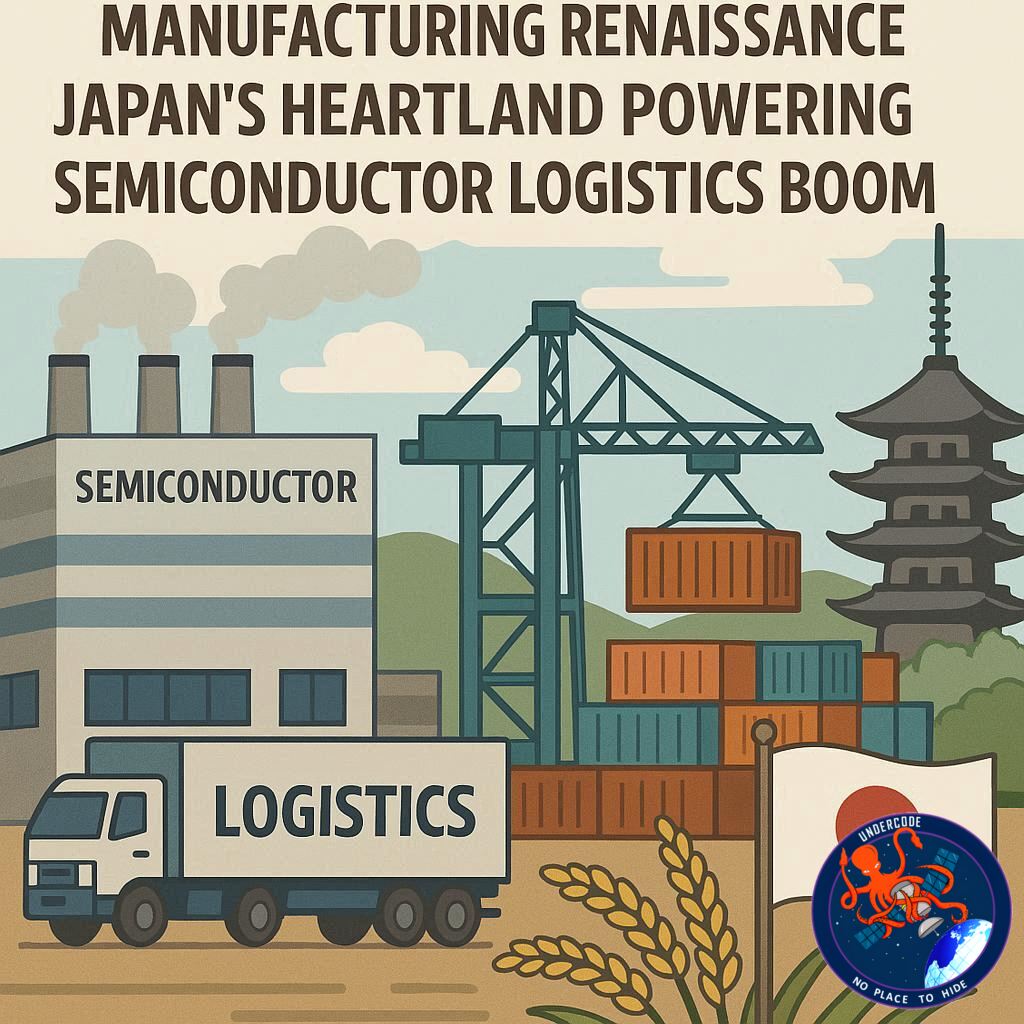
🎯 The New Pulse of Gifu’s Industry
In the quiet plains of southern Gifu, a silent revolution is unfolding. Once known for its traditional industries and craftsmanship, Gifu has emerged as one of Japan’s most promising industrial powerhouses in the age of artificial intelligence. The shift is being driven by two engines of growth: semiconductor manufacturing and logistics innovation.
In October, the major Japanese manufacturer Ibiden Co. officially began full operations at its new advanced factory in Ōno, Gifu Prefecture. This massive six-story facility is dedicated to producing IC package substrates, essential components for high-performance semiconductors used in AI servers. The plant is not merely another production site—it represents a bold investment into the future of Japan’s digital infrastructure.
As AI applications grow exponentially worldwide, demand for powerful chips and the parts that support them has skyrocketed. Ibiden’s facility, tailored specifically to this next-generation market, will become a central node in the global semiconductor supply chain. Meanwhile, other local firms in Gifu are following suit, channeling capital into logistics materials and technologies that enable faster, more efficient product movement.
The area’s resurgence is not accidental. It’s the result of strategic investment, smart policy alignment, and the cultural DNA of Gifu’s craftsmanship—known for precision, endurance, and quiet innovation. These qualities, once confined to traditional manufacturing, are now being reborn in a high-tech context, blending old wisdom with new digital frontiers.
From chip packaging to logistics support, Gifu’s economic map is rapidly redrawing itself. The prefecture is becoming a beacon of sustainable industrial growth, blending automation, artificial intelligence, and environmental consciousness into a model of Japan’s next-generation economy.
What Undercode Say:
The rise of Gifu’s semiconductor and logistics sectors tells a larger story about Japan’s industrial transformation. For decades, Japan has struggled to reclaim its edge in the global technology race, especially as semiconductor giants in Taiwan, South Korea, and the U.S. surged ahead. Yet what’s unfolding in Gifu is part of a quiet national comeback—one that fuses local manufacturing culture with cutting-edge innovation.
Ibiden’s decision to expand in Gifu rather than overseas is telling. It reflects a strategic shift: Japan’s corporate ecosystem is betting on domestic resilience rather than dependence on foreign supply chains. By building facilities at home, companies gain tighter quality control, improved sustainability metrics, and better protection against geopolitical risks—especially in an era when semiconductor supply routes are under constant tension.
The logistics investment wave complements this perfectly. Semiconductor parts are fragile, time-sensitive, and globally distributed. Without efficient logistics systems, even the most advanced chips can lose their value chain advantage. Gifu’s firms investing in logistics materials—automated storage systems, intelligent packaging, and recyclable materials—are positioning themselves as the backbone of Japan’s manufacturing ecosystem.
From an economic standpoint, this creates a multiplier effect. Each new semiconductor line creates hundreds of secondary jobs—in logistics, maintenance, transport, and services. It also injects vitality into rural regions that have long struggled with depopulation and aging demographics. In essence, Gifu is turning its industrial revival into regional revitalization.
But the implications go even further. If Gifu succeeds, it could become a template for Japan’s balanced industrial growth, where advanced technology doesn’t just cluster around Tokyo or Osaka but spreads into smaller, agile regions that can specialize in critical supply-chain functions.
Still, challenges remain. Semiconductor production is capital-intensive, energy-hungry, and sensitive to global demand cycles. Gifu must also tackle its labor shortage by attracting young engineers and integrating automation to fill workforce gaps. Success will depend on balancing speed, sustainability, and skill development.
Yet, the trajectory looks promising. The combination of traditional craftsmanship values—precision, reliability, and pride in detail—with the digital edge of AI-era manufacturing could turn Gifu into one of Japan’s most important industrial power centers by the end of this decade.
🔍 Fact Checker Results
✅ Ibiden’s Ōno plant in Gifu officially began full-scale operations in October, focusing on IC package substrates.
✅ The facility primarily serves the growing AI server market.
✅ Gifu Prefecture is seeing rising investment in logistics materials and industrial infrastructure.
📊 Prediction
🚀 Gifu is poised to become Japan’s semiconductor and smart logistics hub by 2030, with ripple effects across the Chūbu region.
💡 Expect an influx of tech talent, AI-driven factories, and cross-sector collaborations between manufacturing and digital firms.
🌏 If sustained, this momentum could redefine Japan’s position in the global semiconductor supply chain—making Gifu not just a local success story, but a symbol of national industrial renewal.
🕵️📝✔️Let’s dive deep and fact‑check.
References:
Reported By: xtechnikkeicom_311d92ab9921dcd67d03b5bd
Extra Source Hub (Possible Sources for article):
https://www.digitaltrends.com
Wikipedia
OpenAi & Undercode AI
Image Source:
Unsplash
Undercode AI DI v2
Bing
🔐JOIN OUR CYBER WORLD [ CVE News • HackMonitor • UndercodeNews ]
📢 Follow UndercodeNews & Stay Tuned:
𝕏 formerly Twitter 🐦 | @ Threads | 🔗 Linkedin | 🦋BlueSky | 🐘Mastodon


