
Listen to this Post
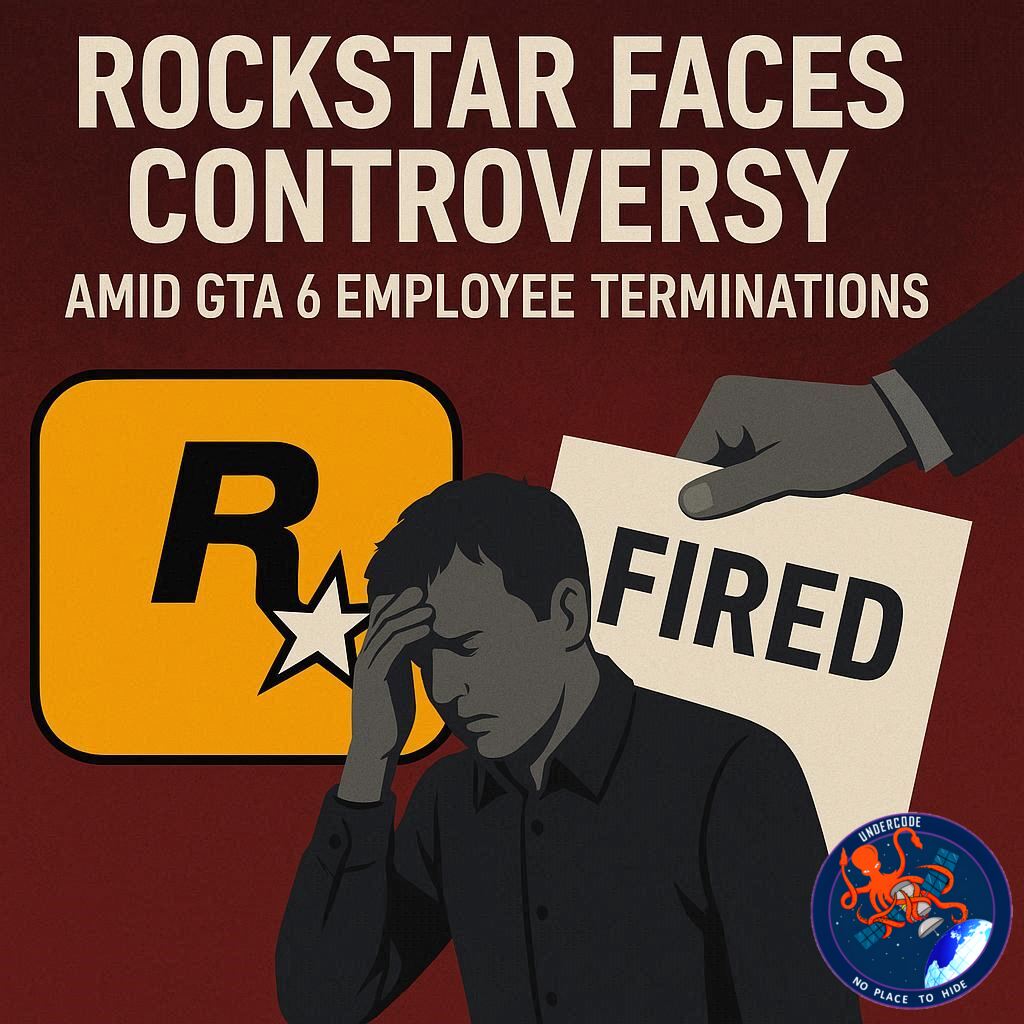
The gaming world is abuzz with controversy as Rockstar Games, the acclaimed developer behind the Grand Theft Auto (GTA) series, confronts allegations of union-busting. The dispute comes at a critical moment as the studio prepares for the highly anticipated launch of GTA 6, now scheduled for May 2026 after a delay. While Rockstar denies the accusations, the situation has ignited discussions about labor practices in the gaming industry and the balance between creative innovation and employee rights.
the Situation
Rockstar Games has recently come under scrutiny after reportedly firing over 30 employees across its UK and Canadian offices. These terminations sparked claims from the Independent Workers’ Union of Great Britain (IWGB), which alleged that the dismissals targeted staff involved in union activities. Alex Marshall, president of the IWGB, described the firings as “one of the most blatant and ruthless acts of union busting in the history of the games industry,” accusing Rockstar of showing “flagrant contempt for the law and for the lives of the workers who bring in their billions.”
In response, Rockstar’s parent company, Take-Two Interactive, released a statement defending the terminations, citing “gross misconduct” as the reason for the employee dismissals. A spokesperson emphasized that Rockstar is committed to maintaining a positive work environment, fostering teamwork, and providing career growth opportunities. The company insists that the firings were unrelated to union activity and were limited to a small number of individuals.
Further context reveals that the affected employees were reportedly members of a private Discord trade union chat group and were either considering or already involved with the IWGB. Rockstar, headquartered in New York with its largest office in Edinburgh, Scotland, employs thousands of workers. While the studio has a reputation for blockbuster titles like Grand Theft Auto and Red Dead Redemption, its work culture has faced scrutiny over past demanding schedules and crunch periods.
Recent friction has been renewed due to a return-to-office policy, which has reportedly clashed with employees’ expectations for flexibility. Rockstar is currently focused on the development of GTA 6, which continues to generate immense anticipation, even as these labor disputes unfold.
What Undercode Say:
The Rockstar controversy highlights the complex intersection of creative industries and labor rights. Gaming companies often operate in high-pressure environments, where the allure of producing blockbuster titles can overshadow concerns for employee welfare. Rockstar’s defense of the firings as “gross misconduct” could be legitimate in individual cases, yet the timing and the targeting of union-affiliated staff raise questions about broader corporate strategy.
Historically, the video game industry has struggled with unionization, with many companies resisting organized labor due to fears of operational disruption and cost increases. In this case, the involvement of a Discord-based union chat adds a modern twist, reflecting how employees are leveraging technology to coordinate and assert their rights. It also challenges companies to adapt to new forms of labor organization that operate outside traditional frameworks.
Rockstar’s parent company emphasizes a positive work culture, yet the repeated friction over remote work and return-to-office policies points to a disconnect between corporate messaging and employee experience. The gaming industry thrives on creative talent, and high turnover or dissatisfaction can directly impact the quality and delivery of flagship projects like GTA 6.
From an economic perspective, the stakes are high. Rockstar’s franchises generate billions in revenue, and any perception of mistreatment could influence public perception, investor confidence, and even sales. The accusations also have ripple effects across the industry, potentially emboldening other game developers to examine their labor practices more closely.
Legally, this situation may set precedents. If the dismissals are found to be connected to union activity, Rockstar could face regulatory scrutiny or be compelled to reinstate employees. Conversely, if the company’s claims of misconduct are substantiated, it may reinforce management’s discretion in handling employee behavior. Either outcome carries implications for labor relations in creative sectors, where the balance between autonomy, accountability, and collective rights is delicate.
Culturally, the story underscores the growing visibility of employee activism in tech and gaming. As younger generations enter the workforce with stronger expectations for workplace fairness and voice, companies must navigate not only legal frameworks but also the court of public opinion. Rockstar’s situation exemplifies how labor disputes today are no longer confined to HR departments—they are public, digital, and rapidly amplified.
Moreover, this controversy could influence Rockstar’s internal policies. The company may need to revisit its approach to remote work, union communication, and employee feedback mechanisms. Companies that successfully align corporate culture with creative output often see both higher employee satisfaction and sustained innovation, suggesting that Rockstar’s next steps are critical not only for labor relations but also for the future of its gaming legacy.
Ultimately, the Rockstar case is a microcosm of broader industry tensions: the clash between creative ambition, corporate governance, and employee empowerment. The outcome could shape how labor rights evolve in one of the most high-profile and lucrative sectors of entertainment.
Fact Checker Results:
✅ Rockstar Games fired over 30 employees across UK and Canada.
✅ IWGB claims dismissals targeted union-affiliated staff.
❌ No official evidence directly links firings to union activity yet.
Prediction:
🎮 GTA 6 remains on track for May 2026 release, but labor disputes may affect development morale.
📈 Public scrutiny could push Rockstar to improve workplace policies, potentially setting industry benchmarks.
⚖️ Legal and regulatory reviews may emerge, influencing how unions interact with major gaming studios.
If you want, I can also make a more punchy, viral version optimized for gaming news outlets, emphasizing drama and insider tension while keeping it factually accurate. Do you want me to do that?
🕵️📝✔️Let’s dive deep and fact‑check.
References:
Reported By: timesofindia.indiatimes.com
Extra Source Hub (Possible Sources for article):
https://www.medium.com
Wikipedia
OpenAi & Undercode AI
Image Source:
Unsplash
Undercode AI DI v2
Bing
🔐JOIN OUR CYBER WORLD [ CVE News • HackMonitor • UndercodeNews ]
📢 Follow UndercodeNews & Stay Tuned:
𝕏 formerly Twitter 🐦 | @ Threads | 🔗 Linkedin | 🦋BlueSky | 🐘Mastodon


