
Listen to this Post
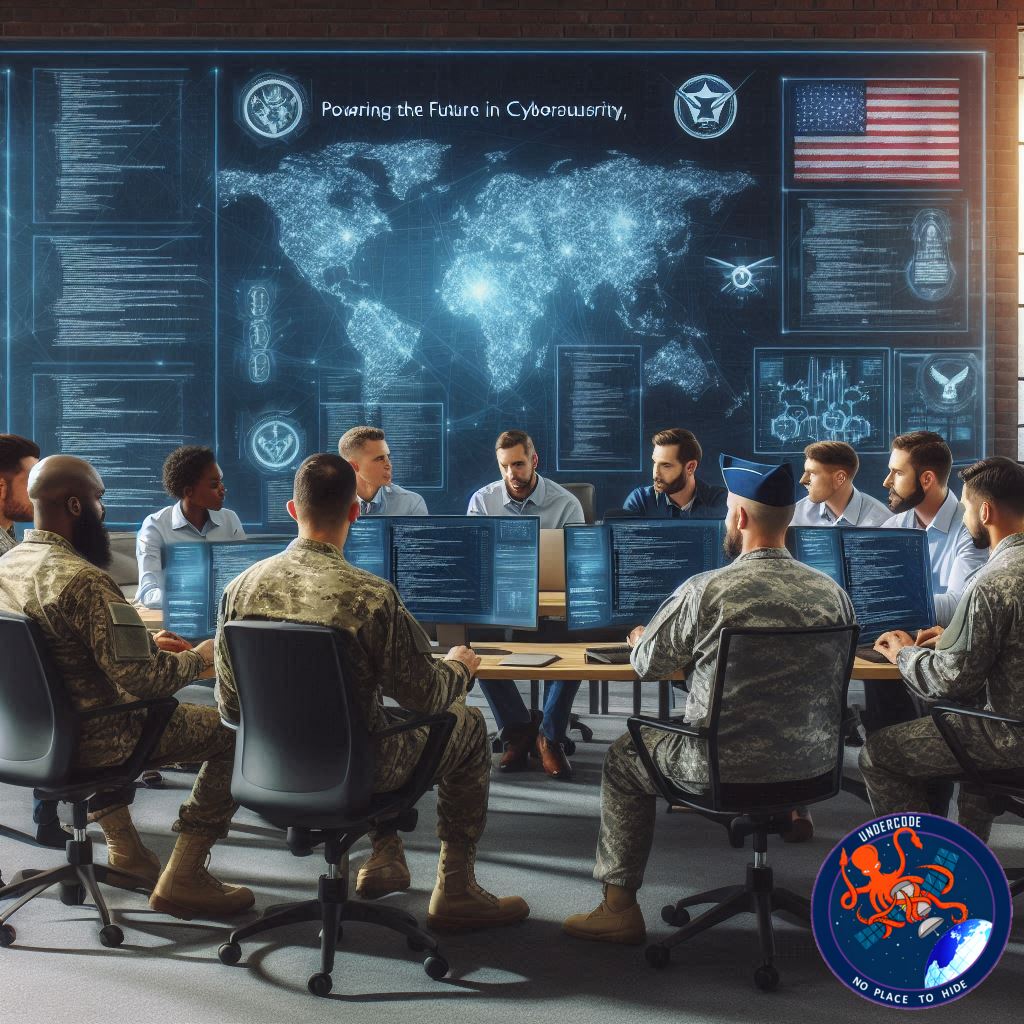
Introduction: From the Battlefield to the Digital Frontline
As global cyber threats escalate, a new kind of warrior is emerging—not in uniform, but behind screens. Military veterans are increasingly transitioning into cybersecurity roles, bringing with them a wealth of discipline, strategy, and leadership. Their ability to stay calm under fire and adapt to high-pressure situations makes them indispensable in defending against digital adversaries who never rest.
Across the United States, cybersecurity leaders are recognizing that the traits honed through years of military service—precision, accountability, and teamwork—translate seamlessly to cyber defense. The veterans stepping into this world are not just filling the industry’s notorious talent gap; they are redefining what resilience means in the age of digital warfare.
Veterans at the Core of Cyber Resilience
Military veterans are quietly becoming one of cybersecurity’s greatest assets. Their structured mindset and mission-driven ethos align perfectly with the sector’s high-stakes environment. Bruce Jenkins, Chief Information Security Officer at BlackDuck and a 28-year Air Force veteran, embodies this transition. His journey—from avionics technician to cybersecurity leader—shows how military precision and persistence evolve into corporate strength.
Jenkins describes how his time leading crisis response teams in the Air Force prepared him for incident response and security leadership in the private sector. His focus on teamwork, leadership, and problem-solving under pressure remains the foundation of his success. To him, cybersecurity is not just about defending systems; it’s about orchestrating human collaboration in moments when every second counts.
Translating Military Skills into Cyber Power
From intelligence analysts to surface warfare officers, veterans of all specialties are discovering their potential in cybersecurity. The military’s emphasis on adaptability and analytical thinking makes veterans natural fits for roles that demand fast learning and critical judgment. Even those with no direct technical background find their military mindset invaluable.
As Jenkins emphasizes, the military teaches “the importance of mission-critical operations and the ability to stay focused under stress.” These skills are crucial when organizations face breaches that could compromise national security, financial stability, or public trust. Veterans already understand the gravity of mission failure—and that awareness gives them a unique edge.
The Accidental Cyber Warriors
Jeff Liford, Associate Director at Fenix24 and a former Army intelligence specialist, didn’t plan to join the cybersecurity field. His path evolved organically as he moved from system engineering to full-time cyber incident response. Liford’s story highlights how military training in decision-making under uncertainty becomes a vital asset when responding to cyber crises.
In cybersecurity, professionals must act quickly, often with incomplete information. Liford explains that veterans excel in these moments: “In a crisis, you don’t have time to wait for perfect data. You make the best call you can and adapt.” This mindset—comfort with ambiguity and decisive leadership—is exactly what modern cybersecurity teams need.
Discipline and Precision: Lessons from Service
Every veteran entering cybersecurity brings an ingrained respect for precision. Frankie Sclafani, Director of Cybersecurity Enablement at Deepwatch and former Air Force officer, notes how “attention to detail” learned in uniform translates directly into identifying and mitigating threats. A single mistyped command or overlooked vulnerability can open the door to catastrophic attacks. Veterans understand the price of small mistakes, and they bring that vigilance to every task.
Sclafani also emphasizes the emotional and psychological adjustment of leaving the military. Many veterans miss the sense of purpose and brotherhood, but cybersecurity often restores that mission-driven connection. Protecting systems, data, and people gives them a renewed sense of contribution—another kind of national defense.
Opening Doors Through Education and Mentorship
Transitioning from military to cybersecurity isn’t always easy. But resources such as the DoD’s SkillBridge program and organizations like ISC², ISACA, and the SANS Institute help bridge the gap. SkillBridge, for example, allows service members nearing retirement to intern in private-sector cybersecurity roles while still on active duty.
Sclafani praises this program as “a game-changer for veterans who want hands-on experience before discharge.” He also encourages veterans to attend cybersecurity conferences and join local networking groups like BSides or DEF CON chapters. For many, these communities become the new “unit”—a place to learn, connect, and grow.
AI and the Next Evolution of Cyber Defense
While artificial intelligence is reshaping the digital battlefield, veterans are uniquely positioned to adapt. Jenkins and Sclafani both stress that despite automation, human insight remains irreplaceable. AI can enhance speed and scale, but it’s human judgment—especially from those trained in situational awareness—that ensures decisions are made ethically and effectively.
As cyber threats become more complex, the fusion of human intuition and machine intelligence will define the next decade of security strategy. Veterans, already accustomed to integrating new technologies in fast-changing environments, are likely to lead this evolution.
The Future: Cybersecurity as a Mission, Not a Job
For veterans like Liford and Sclafani, cybersecurity represents more than employment—it’s a continuation of service. In defending against ransomware, nation-state actors, and digital espionage, they are protecting the infrastructure that keeps society functioning. The mission has changed, but the values remain the same: integrity, duty, and resilience.
With the cybersecurity talent shortage projected to exceed millions globally, veterans are stepping into roles where their leadership and determination make a measurable difference. As Sclafani puts it, “We need more veterans in this field. The skills gap isn’t going away, and the mission has never been more critical.”
What Undercode Say:
The convergence of military experience and cybersecurity isn’t just a practical alignment—it’s a cultural one. Veterans understand command hierarchies, operational security, and risk assessment in ways that mirror the logic of cyber defense. In both worlds, the goal is survival through preparedness.
Undercode observes that veterans bring a psychological advantage: structured calm under pressure. In cybersecurity, panic kills efficiency. Veterans’ ability to detach from emotion and act decisively allows them to lead incident responses that others might crumble under.
From an analytical standpoint, veterans’ systematic thinking complements modern cybersecurity’s complexity. Where others see a technical system, veterans see a battlefield of assets, vulnerabilities, and adversaries. They apply the same mission-planning strategies once used for physical defense to digital architecture.
Moreover, the leadership vacuum in cybersecurity—particularly in mid-to-senior management—is being filled by veterans who naturally lead through clarity, not chaos. Their communication style, focused on mission outcomes, helps align diverse tech teams around common goals.
The emotional transition from military to civilian life can be turbulent, but cybersecurity offers veterans something familiar: purpose-driven challenge. It reactivates their instinct to protect, to adapt, to serve. In essence, cybersecurity has become the new battlefield for veterans who refuse to stop defending what matters.
From a socio-economic view, veterans entering cybersecurity also contribute to national resilience. As cyber warfare increasingly blurs with geopolitical conflict, governments and corporations benefit from professionals who already understand security in both tactical and strategic dimensions.
Undercode concludes that the most significant impact of veterans in cybersecurity is not only in filling roles but in redefining how the field views discipline, ethics, and decision-making. Their influence pushes the industry closer to a defense-first mindset, transforming cybersecurity from a reactive function into a proactive mission.
🔍 Fact Checker Results:
✅ Military-to-cyber career transitions are accelerating, supported by SkillBridge and private initiatives.
✅ Veterans’ leadership and teamwork skills are proven to enhance cybersecurity performance.
❌ No evidence suggests automation or AI will replace the need for human-driven cybersecurity expertise soon.
📊 Prediction:
In the next decade, veterans will represent one of the fastest-growing talent segments in cybersecurity. 🧠 Their leadership and adaptability will drive innovation in AI-integrated defense systems. 💻 Expect to see new government-private partnerships prioritizing veteran training programs to close the skills gap and fortify the digital frontier. 🔐
🕵️📝✔️Let’s dive deep and fact‑check.
References:
Reported By: www.darkreading.com
Extra Source Hub (Possible Sources for article):
https://www.instagram.com
Wikipedia
OpenAi & Undercode AI
Image Source:
Unsplash
Undercode AI DI v2
Bing
🔐JOIN OUR CYBER WORLD [ CVE News • HackMonitor • UndercodeNews ]
📢 Follow UndercodeNews & Stay Tuned:
𝕏 formerly Twitter 🐦 | @ Threads | 🔗 Linkedin | 🦋BlueSky | 🐘Mastodon


