
Listen to this Post
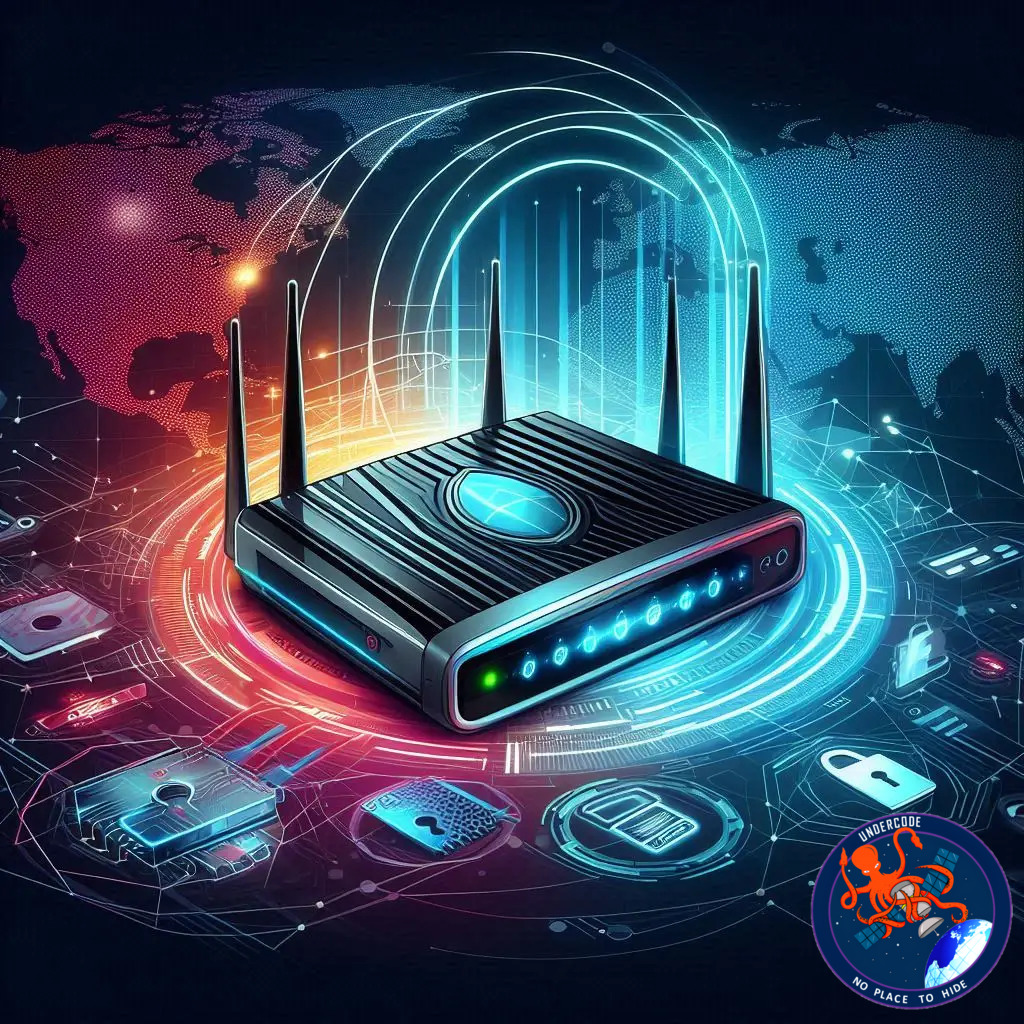
The United States may be on the verge of banning one of the world’s most popular router brands. TP-Link, known for its affordability and widespread adoption, is now under intense scrutiny from government agencies over cybersecurity concerns. As digital security becomes an ever-increasing priority, this move could reshape the home networking market and leave millions of consumers searching for alternatives.
Growing Concerns Over TP-Link Routers
In December of last year, the U.S. Justice, Commerce, and Defense departments launched an investigation into TP-Link, citing potential security risks due to its Chinese ownership. Recent reports indicate that multiple government agencies are backing a proposal by the Commerce Department to prohibit the sale of all TP-Link networking devices across the United States. If enacted, this could become one of the largest product bans in recent consumer history.
TP-Link is undeniably a global leader in routers. The company dominates sales in the U.S., topping Amazon’s best-seller lists and being the preferred brand for over 300 internet service providers. Its routers are lauded for affordability, reliability, and ease of use, earning TP-Link a spot on numerous “best routers” lists.
Despite their popularity, TP-Link routers have been implicated in several high-profile hacking incidents, raising serious questions about the devices’ security. Although patches have been released for some vulnerabilities, many critics argue that the company’s efforts fall short of what is needed to guarantee robust protection.
The Mechanics of the Proposed Ban
Currently, the Commerce Department holds the authority to either drop the proposal, negotiate a compromise, or move forward with a full ban. If a ban is pursued, TP-Link would be notified and given 30 days to respond, after which the Commerce Department would have another 30 days to review any objections.
Should the ban go into effect, new TP-Link devices would no longer be available for purchase in the U.S., though used devices would likely remain in circulation. Given TP-Link’s market dominance, the ban could trigger shortages of networking hardware and drive up prices for alternative options, disrupting both consumers and ISPs.
TP-Link’s U.S. subsidiary has publicly disputed any allegations of national security risks. The company suggests that issues could be mitigated through measures like onshoring development, enhancing cybersecurity practices, and maintaining transparency. Despite these assurances, uncertainty remains, leaving millions of Americans and businesses uncertain about the future of their home and office networks.
What Undercode Say: The Strategic Implications
The potential TP-Link ban highlights the intersection of technology, geopolitics, and national security. At its core, this is not just a story about routers—it’s a story about supply chain trust and the global dependence on foreign tech. U.S. authorities are increasingly scrutinizing devices produced by foreign companies, particularly those linked to nations with geopolitical tensions. The TP-Link case is emblematic of a broader trend where consumer convenience may collide with government security priorities.
From a market perspective, this ban could create ripple effects across the networking industry. Competitors like Netgear, Asus, and Linksys may experience a sudden surge in demand, potentially leading to temporary shortages and price hikes. Smaller companies might find opportunities to gain market share, but the logistical challenge of scaling production quickly could cause interim disruption.
Cybersecurity experts would likely argue that the proposed ban is a proactive measure. Past incidents of TP-Link vulnerabilities—some exploited by hackers to gain access to sensitive networks—highlight the risks of relying on devices with opaque development processes. Even with patches applied, the sheer number of devices and potential exposure makes enforcement and consumer protection challenging.
Yet, a ban alone doesn’t solve systemic cybersecurity concerns. Networks are only as secure as the weakest device connected. For U.S. consumers, this underscores the importance of adopting best practices: regular firmware updates, strong passwords, network segmentation, and, when possible, sourcing hardware from companies with transparent security protocols.
Politically, this situation is sensitive. The U.S. government must balance national security concerns against potential backlash from consumers who rely heavily on TP-Link products. For international relations, a ban could exacerbate tensions with China, as tech restrictions often carry diplomatic weight.
If a compromise is reached—such as restricting government purchases while allowing consumer sales—it might serve as a middle ground, minimizing disruption while addressing security concerns. However, uncertainty about the company’s long-term compliance with U.S. standards could keep the issue alive for years.
In the broader context, this case may set a precedent. Other countries could follow the U.S. lead in restricting foreign tech based on cybersecurity assessments, potentially reshaping the global networking landscape. Companies may be compelled to adopt more transparent development practices, onshore critical operations, or face market restrictions.
Finally, for consumers, preparation is key. Those dependent on TP-Link should monitor official announcements and consider alternative brands, especially in enterprise settings where security is paramount. This isn’t just a tech story—it’s a glimpse into the evolving landscape of cybersecurity, global trade, and consumer technology.
Fact Checker Results
✅ TP-Link is one of the most popular router brands worldwide.
✅ The U.S. Commerce Department has considered banning TP-Link devices.
❌ No official ban has been enacted yet; the proposal is still under review.
Prediction
📊 If the ban proceeds, expect immediate increases in demand for competing routers like Netgear and Asus, with potential shortages in retail and ISP channels. Prices may rise 10–20% temporarily. Long-term, more companies will prioritize transparent security and local development to avoid similar restrictions. Geopolitical tensions may influence tech product availability, with China-based hardware increasingly scrutinized in U.S. markets.
🕵️📝✔️Let’s dive deep and fact‑check.
References:
Reported By: www.zdnet.com
Extra Source Hub (Possible Sources for article):
https://www.medium.com
Wikipedia
OpenAi & Undercode AI
Image Source:
Unsplash
Undercode AI DI v2
Bing
🔐JOIN OUR CYBER WORLD [ CVE News • HackMonitor • UndercodeNews ]
📢 Follow UndercodeNews & Stay Tuned:
𝕏 formerly Twitter 🐦 | @ Threads | 🔗 Linkedin | 🦋BlueSky | 🐘Mastodon


