
Listen to this Post
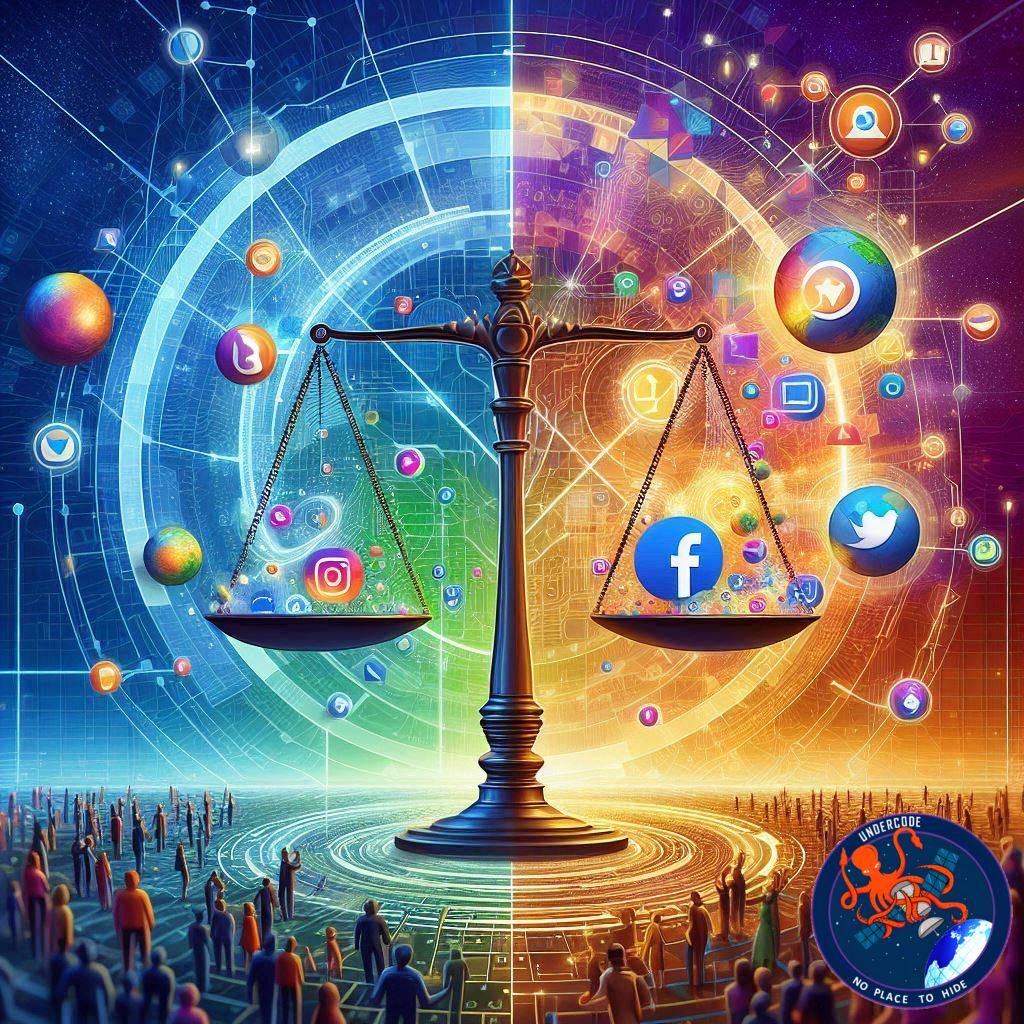
Introduction, A Legal Battle That Reshaped the Conversation
A decade after Facebook’s bold acquisitions of Instagram and WhatsApp, a courtroom showdown became the stage for one of the most significant antitrust decisions in recent tech history. After years of scrutiny, political pressure, and debate over whether Meta’s empire was built through innovation or strategic elimination, the United States finally delivered its verdict. The court chose not to unwind Meta’s acquisitions, a choice that instantly reverberated across Silicon Valley, Wall Street, and the global regulatory landscape. This is more than a courtroom win for Mark Zuckerberg, it is a snapshot of how much the digital world has evolved, how fast competitors have risen, and how difficult it has become to define monopoly power in a fluid, algorithm driven ecosystem.
the Original
Judge’s Decision Reshapes the Monopoly Debate
A federal judge dismissed the United States government’s attempt to break apart Meta Platforms by unwinding its purchases of Instagram and WhatsApp, acquisitions that took place more than ten years ago. The ruling concluded that these deals did not constitute illegal monopolization within the social media sector.
A Victory After Years of Litigation
The decision represents a major victory for Meta after a long legal fight that began when the Federal Trade Commission claimed the acquisitions were attempts to neutralize rising threats. The trial brought Meta CEO Mark Zuckerberg and other executives to the stand, making the case one of the most high profile antitrust battles in recent memory.
FTC’s Charge and Theory of Market Power
The FTC alleged that Meta held a monopoly among platforms designed for personal sharing between friends and family. They asserted that Facebook, Instagram, Snapchat, and MeWe formed a distinct market, separate from entertainment oriented platforms like YouTube and TikTok. According to the agency, Meta used its vast resources to buy out potential competitors, weakening future innovation and reducing consumer choice.
Government’s Push to Restructure Meta
Regulators sought extreme remedies. They wanted Meta to divest Instagram and WhatsApp, restoring what they described as a lost competitive environment. The FTC’s argument positioned Meta as the dominant hub of personal connections in the United States, a dominance that allegedly fed directly into its substantial advertising profits.
Judge Boasberg’s Rebuttal of Monopoly Claims
Judge James Boasberg rejected these claims. He wrote that Meta no longer operates in a market where it can be seen as holding monopoly power, citing the rise of TikTok, YouTube, and a broader shift in user behavior. Americans spend only a fraction of their time on Facebook and Instagram interacting with friends and family, weakening the idea that Meta controls a unique space.
Platforms Evolving Toward Similarity
Boasberg emphasized that Facebook, Instagram, TikTok, and YouTube now share almost identical features, especially in their emphasis on AI powered short videos. Users increasingly treat these platforms as interchangeable, erasing previous boundaries that once divided social networking from broader social media.
A Market in Constant Transformation
Quoting Heraclitus, the judge compared social media to a constantly changing river. The environment today differs dramatically from the landscape when the FTC first filed its case. Social networking and social media are no longer distinct markets in the same way they once were.
Meta’s Response to the Decision
Meta welcomed the ruling, stating that it proves the company faces intense competition. The company also said it looks forward to working with the Trump administration and investing further in America.
What Undercode Say
A Redefined Digital Battlefield
The ruling captures a deeper truth about the modern internet. Social media no longer fits tidy definitions, and this uncertainty weakens traditional antitrust frameworks. Regulators have been trying to freeze a moving target, while platforms continually evolve their features in response to each other.
Competition Has Shifted From Network Effects to Attention Economics
A decade ago, the biggest advantage belonged to the platform with the strongest network effect. Today, the battlefield is attention. The platform that can harness AI to maximize engagement wins. Meta no longer dominates through its friend graph. It competes by optimizing recommendations, the same strategy used by TikTok and YouTube.
Regulators Misread the Market They Tried to Define
The FTC’s argument relied on old definitions of social networking. They focused heavily on interpersonal sharing, a function that has eroded dramatically. In reality, algorithmic feeds have become the primary interaction layer. This evolution dismantles the FTC’s theory at its foundation.
Meta’s Victory Is Not Proof of Invulnerability
Although Meta prevailed, the ruling reveals its vulnerability. Its influence is no longer anchored in unique user connections. It survives by playing a game of perpetual adaptation. As competitors innovate rapidly, Meta must constantly reinvent its products.
TikTok’s Rise Was the Silent Witness in the Courtroom
The decision repeatedly emphasized TikTok’s impact. It shows how a single product, introduced long after Meta’s acquisitions, reshaped the competitive landscape. This undermines the narrative that Meta’s purchases eliminated future threats. New threats still emerged.
Platform Convergence Reveals a Dynamic Market
All major platforms have converged on the short video format. This convergence demonstrates that dominance in the digital world is temporary. A hit feature can be replicated, improved, and redistributed across ecosystems at high speed.
The Case Demonstrates the Difficulty of Regulating Digital Giants
Regulators face a paradox. If they move too slowly, the market evolves beyond their claims. If they act too fast, they risk penalizing companies for innovations that benefit users. This dynamic complexity is now a defining challenge in tech policy.
Meta Gains Breathing Room but Not Absolute Cleansing
The antitrust win gives Meta time to focus on emerging priorities like AI, virtual reality, and mixed reality. But political pressure remains high, and new regulatory frameworks are being drafted globally. Meta’s legal clarity is temporary.
A Broader Message to the Tech Industry
The decision tells every tech giant that acquisitions are still survivable under scrutiny. Yet it also warns that future antitrust cases will likely require more nuanced market definitions.
The Marketplace of Attention Has No Permanent King
In the attention economy, dominance cycles quickly. Meta won the case, but it has not won permanent supremacy. A new competitor, new format, or new cultural shift could disrupt the landscape at any time.
🔍 Fact Checker Results
✅ The ruling was issued by Judge James Boasberg in Washington DC.
❌ The court did not say Meta has no competitors, it emphasized strong competition from TikTok and YouTube.
✅ The FTC did request potential divestitures of Instagram and WhatsApp.
📊 Prediction
Meta will double down on AI powered content recommendations.
TikTok’s regulatory challenges in the United States will open temporary breathing space for Meta.
Future antitrust battles will focus less on acquisitions and more on algorithmic influence over user behavior.
🕵️📝✔️Let’s dive deep and fact‑check.
References:
Reported By: timesofindia.indiatimes.com
Extra Source Hub (Possible Sources for article):
https://www.reddit.com
Wikipedia
OpenAi & Undercode AI
Image Source:
Unsplash
Undercode AI DI v2
Bing
🔐JOIN OUR CYBER WORLD [ CVE News • HackMonitor • UndercodeNews ]
📢 Follow UndercodeNews & Stay Tuned:
𝕏 formerly Twitter 🐦 | @ Threads | 🔗 Linkedin | 🦋BlueSky | 🐘Mastodon


