
Listen to this Post
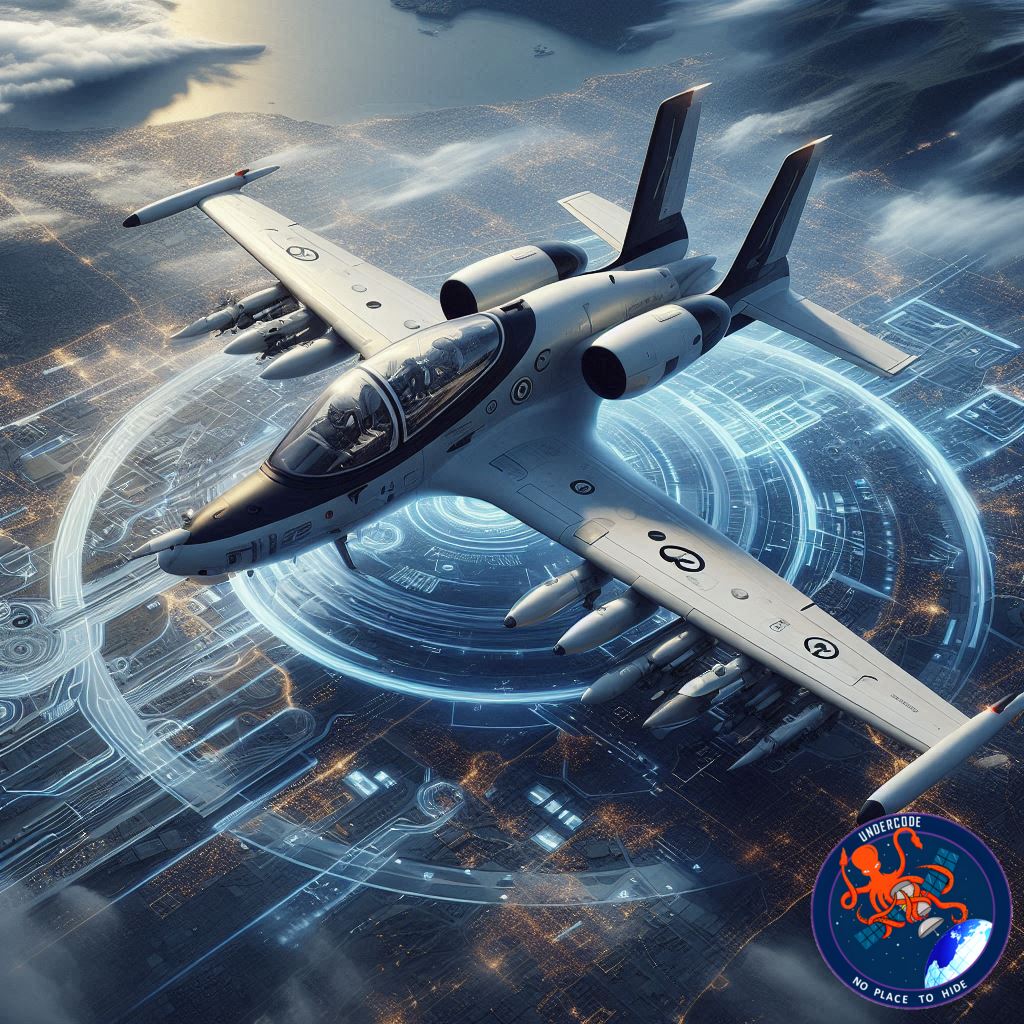
As unmanned aerial systems proliferate across global battlefields, militaries are seeking cost-effective, versatile solutions to counter the rising drone threat. Embraer, the Brazilian aerospace giant, is positioning its A-29 Super Tucano as a cutting-edge “drone killer,” armed with precision sensors, laser-guided rockets, and heavy-caliber machine guns. The light-attack aircraft, already renowned for close air support and reconnaissance, is now entering a new chapter in modern combat where small drones are increasingly shaping tactics and strategy.
The Super Tucano’s New Role
Embraer unveiled images on November 11 showing two A-29 Super Tucanos engaging four unmanned aerial systems along a coastline, emphasizing the aircraft’s ability to neutralize small, agile aerial threats. According to Bosco da Costa Junior, CEO of Embraer Defense and Security, the company is expanding the A-29’s capabilities to meet “the most recent challenges faced by many nations worldwide.”
The Super Tucano has long been a versatile platform, used not only for combat operations but also for training and armed reconnaissance missions. Its combination of speed, maneuverability, and affordability has made it a favored asset for over a dozen countries, including Paraguay, Portugal, and Uruguay. This latest adaptation as a drone countermeasure reflects a growing trend in defense: repurposing existing platforms to address the unpredictable and evolving threats of modern warfare.
The Drone-Counter-Drone Landscape
In conflict zones like Eastern Europe, the fight against drones is sparking rapid innovation. Forces are experimenting with everything from small propeller-driven planes armed with anti-drone systems to AI-powered turrets and even helicopter door gunners. This environment has accelerated technological development and tactical creativity, forcing defense contractors like Embraer to adapt quickly. The Super Tucano’s rebranding as a drone hunter is a direct response to this urgent need for versatile, rapid-response platforms capable of dealing with multiple, fast-moving aerial targets simultaneously.
The shift highlights an important principle in modern combat: smaller, cost-effective solutions can sometimes be more decisive than expensive, high-tech aircraft. As drone swarms become more common, light attack aircraft equipped with precision sensors and guided munitions offer militaries an efficient way to protect airspace, infrastructure, and frontline units.
What Undercode Say:
Embraer’s pivot of the A-29 Super Tucano demonstrates a broader trend in defense procurement and strategic planning. While the aircraft’s traditional roles in close air support and training remain vital, its integration into anti-drone operations signals a strategic acknowledgment that future conflicts will be dominated by hybrid and asymmetric threats.
Analyzing the market, Embraer is leveraging a two-fold advantage: first, it provides nations with a proven, combat-tested platform; second, it positions the A-29 as an agile, cost-efficient solution against emerging threats. By arming the aircraft with sensors, laser-guided rockets, and .50 caliber machine guns, Embraer effectively bridges the gap between conventional airpower and drone defense, a niche that has seen explosive growth in the last decade.
This strategy also reflects a wider industry pattern where defense contractors are increasingly marketing multi-role platforms capable of adapting to evolving battlefield conditions. Sierra Nevada Corporation’s recent pre-purchase of a Super Tucano ahead of a foreign military sale underscores the demand for versatile aircraft with proven track records. As drone technology evolves, demand for rapid-deployment, highly adaptable platforms like the A-29 is likely to increase.
From a tactical perspective, light attack aircraft offer several advantages over ground-based anti-drone systems. They can respond quickly, cover large areas, and engage multiple targets simultaneously, providing commanders with a flexible tool to counter swarm tactics. Economically, retrofitting existing platforms rather than designing entirely new systems reduces development costs while maximizing operational impact.
The A-29’s engagement with drones also serves as a signal to potential buyers and adversaries alike: nations equipped with these aircraft can maintain air superiority even in environments increasingly dominated by small unmanned systems. This move by Embraer could influence global defense trends, pushing other contractors to rethink how legacy platforms can be adapted for modern threats.
🔍 Fact Checker Results
✅ Embraer markets the A-29 Super Tucano with anti-drone capabilities.
✅ The aircraft is used for close air support, reconnaissance, and training by multiple countries.
❌ There is no evidence that the A-29 has been deployed in active drone-combat operations publicly.
📊 Prediction
The drone-counter-drone dynamic will continue to drive innovation in light-attack aircraft and unmanned aerial defense systems. Expect more nations to adopt multi-role platforms like the Super Tucano, outfitted with advanced sensors and precision munitions. AI-enhanced targeting and real-time battlefield integration may soon become standard, creating a new era of agile, cost-effective aerial defense. 🚀🛡️
🕵️📝✔️Let’s dive deep and fact‑check.
References:
Reported By: axioscom_1763553236
Extra Source Hub (Possible Sources for article):
https://www.facebook.com
Wikipedia
OpenAi & Undercode AI
Image Source:
Unsplash
Undercode AI DI v2
Bing
🔐JOIN OUR CYBER WORLD [ CVE News • HackMonitor • UndercodeNews ]
📢 Follow UndercodeNews & Stay Tuned:
𝕏 formerly Twitter 🐦 | @ Threads | 🔗 Linkedin | 🦋BlueSky | 🐘Mastodon


