
Listen to this Post
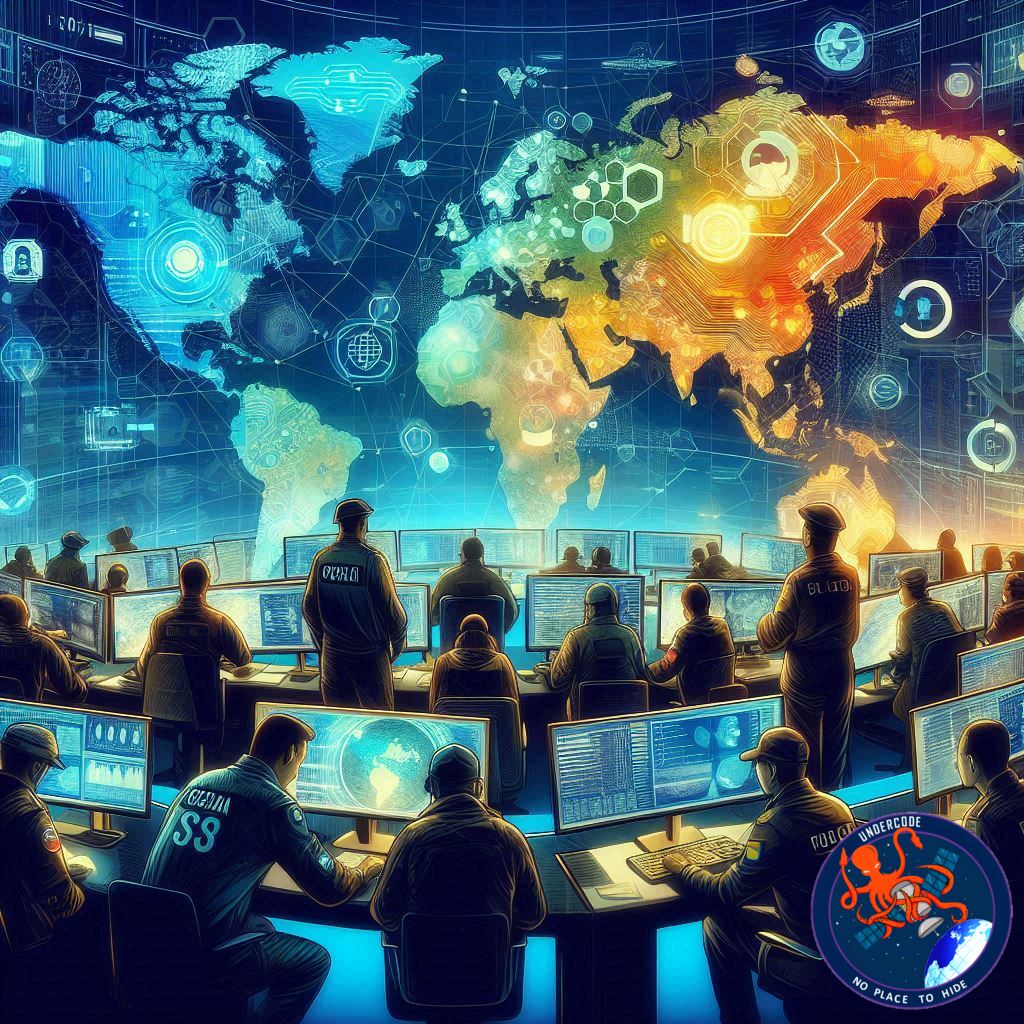
The international fight against cybercrime is intensifying. Today, the United States, United Kingdom, and Australia announced coordinated sanctions targeting Russian bulletproof hosting (BPH) providers that have enabled ransomware gangs and other cybercriminal operations. These sanctions aim to cut off the infrastructure that allows cybercriminals to operate with impunity, from phishing attacks and malware deployment to distributed denial-of-service (DDoS) attacks on critical systems. Governments are signaling a new era of accountability, where cybercriminal support networks can no longer hide behind anonymous servers and law enforcement blind spots.
Summary
The joint sanctions target key players in the cybercrime infrastructure. BPH providers lease servers to cybercriminals, advertising themselves as “bulletproof” by ignoring law enforcement takedowns and victim complaints. Media Land, a major Russian provider, has supported ransomware groups such as LockBit, BlackSuit, and Play, and its servers were involved in DDoS attacks against U.S. companies and critical infrastructure, including telecommunications. Three Media Land executives—Aleksandr Volosovik, Kirill Zatolokin, and Yulia Pankova—were also sanctioned for facilitating payments, managing legal affairs, and advertising the company on cybercrime forums.
Other targets include Aeza Group LLC, previously sanctioned, and Hypercore Ltd, its UK-based front company, along with Serbian and Uzbek support companies. These measures follow a pattern of escalating international enforcement, including previous sanctions against ZServers/XHost and seizure of servers by Dutch authorities.
The sanctions freeze all property of designated individuals and entities within the U.S., U.K., and Australia, exposing anyone conducting business with them to secondary enforcement actions. Officials emphasized that cybercriminals cannot operate in the shadows indefinitely, and allied nations are increasingly collaborating to dismantle these dark networks.
Five Eyes cybersecurity agencies also issued guidance for ISPs and network defenders, recommending the creation of high-confidence malicious resource lists, regular traffic analysis, boundary filters, and know-your-customer verification protocols. These measures aim to prevent BPH services from repeatedly facilitating cybercrime under temporary identities, emails, and phone numbers.
The broader implication is clear: international coordination and intelligence sharing are becoming central to disrupting cybercrime infrastructure. Governments are now combining sanctions with operational guidance to increase pressure on the networks supporting ransomware, malware, and other illicit cyber operations.
What Undercode Say: Analysis of the Sanctions and Implications
The sanctions represent a strategic shift in how nations tackle cybercrime. Instead of focusing solely on individual hackers or ransomware gangs, authorities are now dismantling the supporting infrastructure—servers, payment channels, and front companies—that allow these groups to operate at scale. By targeting BPH providers, authorities strike at the backbone of cybercrime, potentially forcing gangs to rely on less reliable and more traceable hosting solutions.
Media Land’s extensive involvement with multiple ransomware gangs illustrates the global interconnectedness of cybercrime. These providers do not operate in isolation; they facilitate international operations, including cross-border financial transactions, malware distribution, and infrastructure attacks. This interconnectedness explains why U.S., U.K., and Australian authorities coordinated their sanctions, emphasizing that cyber threats are no longer local but global.
The inclusion of executives alongside the companies themselves underscores a legal and symbolic approach. Sanctioning individuals responsible for payment collection, marketing, and legal support sends a clear message: those who enable cybercrime are equally accountable, not just the front-facing attackers.
Five Eyes guidance signals that enforcement alone is insufficient. The operational recommendations for ISPs and network defenders demonstrate that proactive cyber defense—tracking malicious resources, verifying customers, and monitoring traffic—can significantly reduce the operational capacity of cybercriminals. Integrating these measures globally could disrupt the repeatability of cyberattacks, forcing cybercriminals to constantly adapt, which increases costs and risk for their operations.
Historically, BPH providers exploit anonymity and legal loopholes, often moving between jurisdictions. By sanctioning front companies like Hypercore Ltd and exposing Aeza Group LLC’s attempts to circumvent restrictions, authorities show a new understanding of these evasive tactics. This approach blends economic sanctions, technical mitigation, and legal pressure in a multi-layered strategy, setting a precedent for future cybercrime enforcement.
The broader economic and cybersecurity implications are significant. Businesses and critical infrastructure operators may see reduced exposure to ransomware attacks as BPH networks weaken. Simultaneously, cybercriminals may attempt to migrate to less scrutinized regions, highlighting the need for continued international cooperation and intelligence sharing. Enforcement of secondary sanctions ensures that even indirect support networks—banks, hosting resellers, and technology intermediaries—remain cautious about aiding sanctioned entities.
This strategic approach also highlights a growing recognition that cybersecurity is intertwined with financial intelligence. The OFAC-led sanctions demonstrate how financial levers can cripple cybercrime operations without direct cyber engagement. This method is efficient, low-risk, and legally enforceable, leveraging international financial systems as tools of cyber deterrence.
In essence, targeting BPH providers addresses root causes, not just symptoms. The combination of sanctions, technical guidance, and individual accountability represents a model that other countries might replicate to safeguard digital infrastructure, enhance corporate cybersecurity resilience, and reduce ransomware profitability.
Fact Checker Results
✅ Media Land and its executives have been officially sanctioned by U.S., U.K., and Australian authorities.
✅ BPH providers lease servers to cybercriminals and resist takedown requests.
❌ There is no evidence that these sanctions immediately stop all ransomware activity; attacks may persist in other regions.
Prediction
📊 With increased coordination among Five Eyes nations, BPH providers will face heightened scrutiny, forcing cybercriminals to decentralize operations or shift to less regulated regions.
📊 Companies that implement proactive monitoring, high-confidence threat lists, and strict KYC measures will experience fewer attacks over time.
📊 Secondary sanctions will increasingly deter financial intermediaries from facilitating cybercrime, creating ripple effects across global ransomware networks.
If you want, I can also make a catchier, fully SEO-optimized headline and subheading to make it even more engaging for digital publication. Do you want me to do that?
🕵️📝✔️Let’s dive deep and fact‑check.
References:
Reported By: www.bleepingcomputer.com
Extra Source Hub (Possible Sources for article):
https://stackoverflow.com
Wikipedia
OpenAi & Undercode AI
Image Source:
Unsplash
Undercode AI DI v2
Bing
🔐JOIN OUR CYBER WORLD [ CVE News • HackMonitor • UndercodeNews ]
📢 Follow UndercodeNews & Stay Tuned:
𝕏 formerly Twitter 🐦 | @ Threads | 🔗 Linkedin | 🦋BlueSky | 🐘Mastodon


