
Listen to this Post
Introduction: Understanding the Emerging Threats
Cybersecurity is once again under the spotlight as two major incidents highlight vulnerabilities that can impact millions of users. A critical remote code execution flaw in the popular file archiver 7-Zip has surfaced, while Canadian schools face scrutiny following a massive data breach affecting tens of millions of students and teachers. These events underscore the persistent risks in both widely used software and institutional digital infrastructure.
7-Zip RCE Vulnerability Raises Alarms
Critical Flaw Identified
Cybersecurity researchers have discovered a severe remote code execution (RCE) vulnerability, labeled CVE-2025-11001, in 7-Zip, the widely used file compression utility. The flaw can be exploited through symbolic link ZIP files on Windows systems, allowing attackers to execute malicious code remotely without user consent.
Immediate Risk to Users
Version 25.00 of 7-Zip has been released to patch this vulnerability as well as CVE-2025-11002, highlighting the urgency of updating affected systems. Given 7-Zip’s popularity for both personal and corporate use, unpatched installations leave countless systems exposed. Cybercriminals can leverage this flaw to deploy ransomware, steal sensitive information, or compromise critical infrastructure.
Exploitation Mechanism
The vulnerability specifically targets symbolic link handling within ZIP archives. Attackers craft ZIP files containing links that trick the program into executing arbitrary code. This type of attack is particularly insidious because it can bypass traditional antivirus detection and relies on user interaction only to the extent of opening the archive.
Canadian Schools Face Backlash Over PowerSchool Breach
Massive Data Exposure
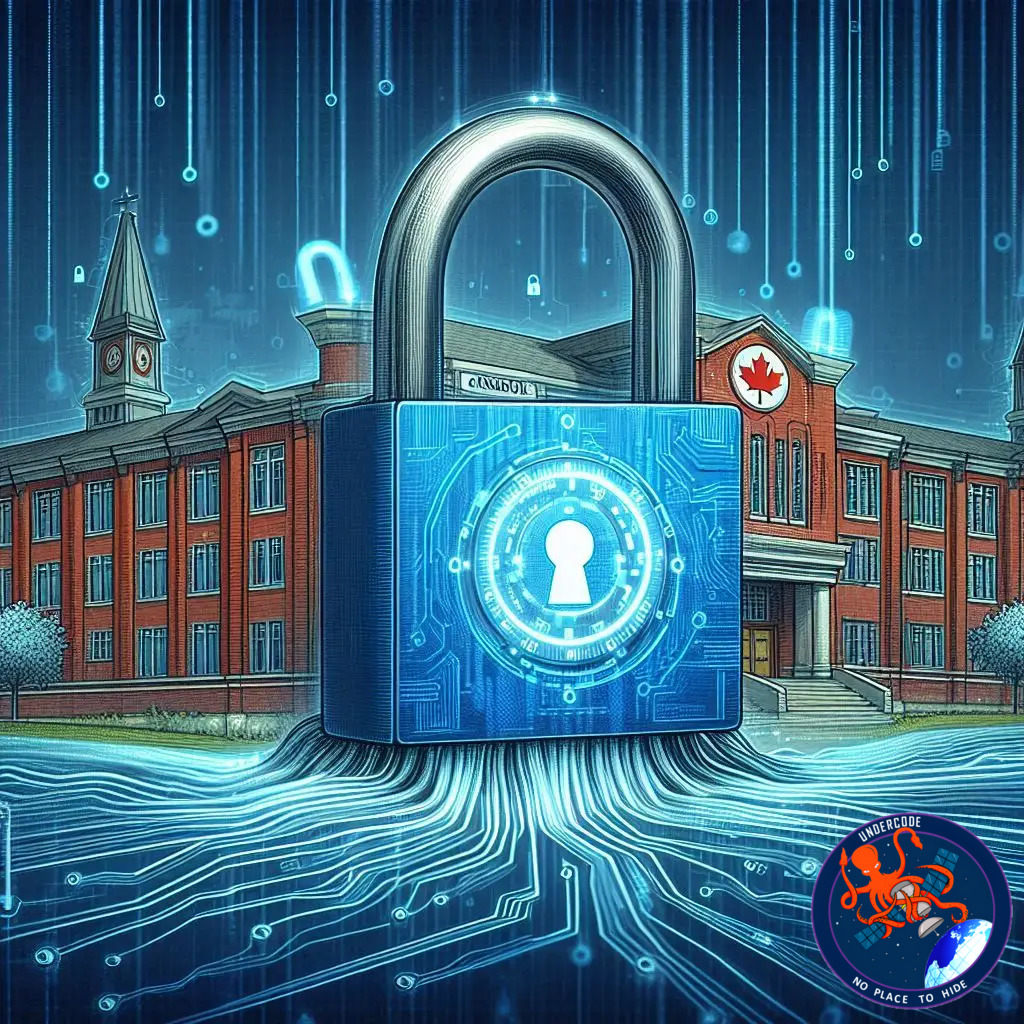
Canadian privacy authorities have criticized educational institutions for weak cybersecurity measures after the PowerSchool breach, which exposed data for over 62 million students and 9 million teachers. The breach included sensitive personal information, ranging from contact details to academic records.
Root Causes of the Breach
Investigations highlighted several critical failures: absence of multifactor authentication, delayed breach response, and outdated security protocols. Schools relied on default configurations and ignored fundamental best practices in protecting student data, making the attack far easier for hackers.
Consequences for the Education Sector
The breach has significant implications, both legally and reputationally. Schools now face heightened scrutiny from regulators and parents, and the incident emphasizes the need for rigorous cybersecurity standards across educational institutions. The exposure of such massive datasets increases the risk of identity theft and other forms of cybercrime.
What Undercode Say: Analytical Perspective
Systemic Vulnerabilities in Widely Used Software
The 7-Zip RCE demonstrates that even mature, widely adopted software is not immune to critical vulnerabilities. Many organizations underestimate the risks in third-party tools, focusing security efforts only on operating systems and proprietary software. This flaw serves as a reminder that attackers often exploit overlooked applications that have extensive reach.
Human Factor in Cybersecurity Breaches
The PowerSchool incident underlines how user negligence and procedural shortcomings can exacerbate digital risks. Despite the availability of multifactor authentication and encryption, basic practices were ignored. Cybersecurity is only as strong as the weakest human link in the system, making training and governance equally vital as technological safeguards.
Patch Management and Incident Response
Both cases reveal weaknesses in patch management and incident response strategies. 7-Zip users must update immediately to mitigate CVE-2025-11001, while schools and other institutions must develop proactive monitoring and rapid response protocols. Delayed updates or ignored patches create an easy entry point for malicious actors.
Regulatory Implications and Accountability
The Canadian breach may set precedents for accountability in educational technology, with stricter regulations expected for student data protection. Organizations across sectors may face legal consequences if they fail to adhere to basic cybersecurity standards.
Interconnected Threat Landscape
These incidents illustrate the interconnected nature of digital vulnerabilities. Exploiting a single software flaw or weak institutional control can cascade into systemic risk affecting millions. Organizations must adopt a holistic approach to cybersecurity that considers software, policies, human behavior, and regulatory compliance.
Proactive Cybersecurity Strategies
Investing in automated patching systems, network segmentation, and continuous monitoring can drastically reduce the risk of both RCE attacks and large-scale data breaches. Furthermore, threat intelligence sharing among organizations can help anticipate attacks leveraging newly discovered vulnerabilities.
Psychological Impact and Public Trust
Data breaches in schools erode trust among parents, educators, and students. Simultaneously, software vulnerabilities like 7-Zip’s affect public confidence in widely used tools. Maintaining trust requires transparency, rapid response, and clear communication from software developers and institutions.
Emerging Patterns in Cybercrime
These cases highlight emerging patterns: attackers increasingly exploit overlooked yet ubiquitous software, while also targeting institutions with large datasets and procedural gaps. Understanding these patterns can help defenders prioritize resources and preempt attacks more effectively.
Long-Term Implications for Cybersecurity Policy
Expect regulatory bodies to push for mandatory encryption, multifactor authentication, and timely patching. Governments may enforce penalties for negligent cybersecurity practices, especially where sensitive personal data is involved. Organizations must evolve from reactive to proactive security postures.
Conclusion of Analysis
The combination of technical vulnerabilities and human error presents a persistent challenge. Lessons from 7-Zip and PowerSchool show that addressing cybersecurity requires both sophisticated technical defenses and robust procedural policies. Organizations must prioritize continuous vigilance, rapid patch deployment, and staff training to stay ahead of increasingly sophisticated threats.
Fact Checker Results
✅ 7-Zip vulnerability CVE-2025-11001 confirmed as actively exploited.
✅ PowerSchool breach impacted 62M+ students and 9M teachers.
❌ No evidence yet of long-term systemic exploitation beyond reported incidents.
Prediction
Expect a surge in updates and patches for commonly used software like 7-Zip over the next months, as attackers rush to exploit unpatched systems. Schools and educational institutions will face stricter compliance checks, likely leading to widespread adoption of multifactor authentication and improved breach response strategies. Cybersecurity awareness campaigns targeting administrators and educators are anticipated to become a regulatory requirement.
🕵️📝✔️Let’s dive deep and fact‑check.
References:
Reported By: x.com
Extra Source Hub (Possible Sources for article):
https://www.discord.com
Wikipedia
OpenAi & Undercode AI
Image Source:
Unsplash
Undercode AI DI v2
Bing
🔐JOIN OUR CYBER WORLD [ CVE News • HackMonitor • UndercodeNews ]
📢 Follow UndercodeNews & Stay Tuned:
𝕏 formerly Twitter 🐦 | @ Threads | 🔗 Linkedin | 🦋BlueSky | 🐘Mastodon


