
Listen to this Post
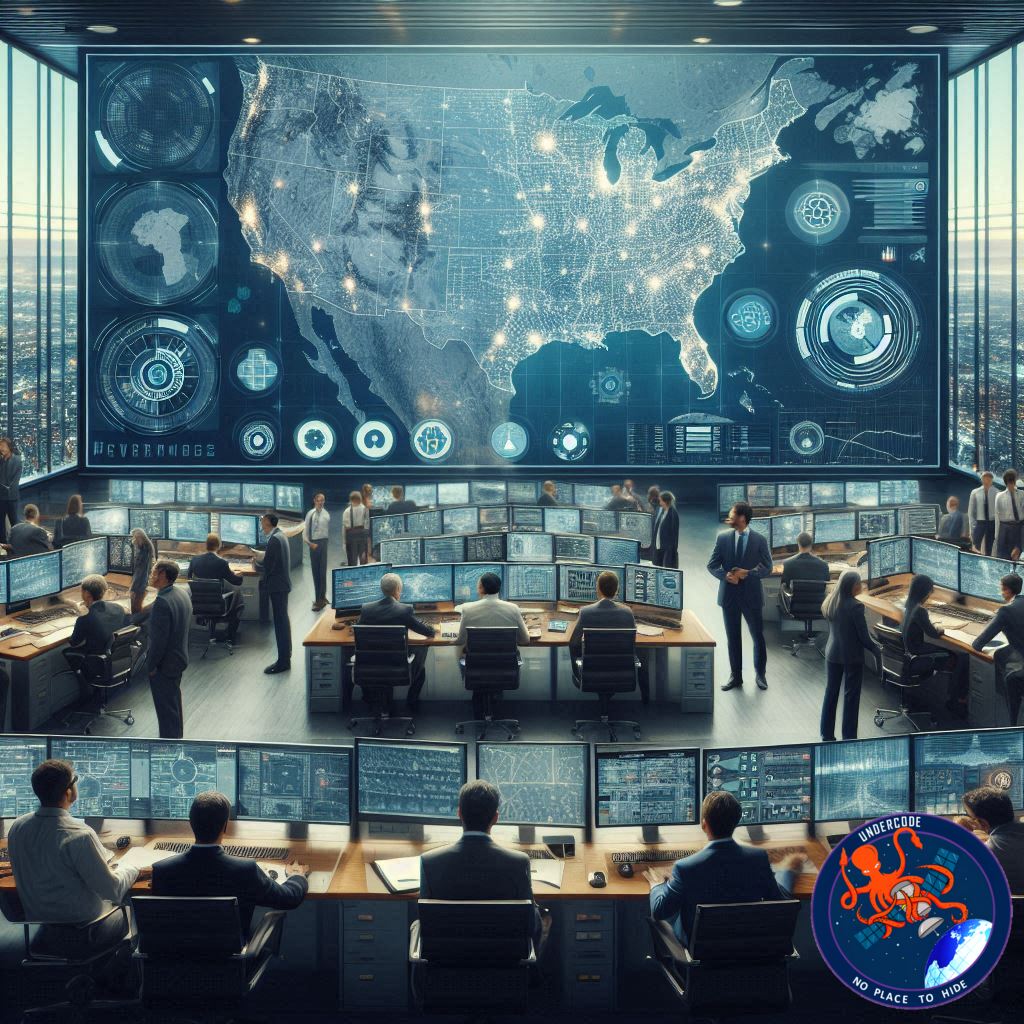
Introduction: Strengthening the Electric Grid Against Emerging Threats
In a world increasingly dependent on electricity, ensuring the security and resilience of power grids has never been more critical. This week, over 370 organizations across North America came together for GridEx VIII, the continent’s largest electricity sector security exercise. Designed to test both cyber and physical defenses, GridEx serves as a high-stakes rehearsal for scenarios that could disrupt the flow of power, impact communities, and challenge national security. The stakes are higher than ever, as cyberattacks targeting utilities continue to grow in sophistication and frequency.
Expanding Participation in GridEx VIII
GridEx VIII saw a significant surge in involvement, with nearly a 50% increase in participants compared to 2023. This jump is partly attributed to new participation formats that made the exercise more accessible to smaller utilities and organizations across the energy sector. In total, more than 370 organizations took part, including electricity providers, critical infrastructure partners in sectors like water, natural gas, and telecommunications, and international participants from Canada. This expansion represents an important step toward stronger cross-industry and cross-border collaboration.
Testing Emergency Preparedness and Cyber Defenses
The exercise simulated realistic cyber and physical threat scenarios, allowing participants to evaluate and refine their emergency preparedness plans and response protocols. From ransomware attacks to sophisticated persistent breaches, GridEx VIII pushed organizations to react under pressure, mirroring the complexity of actual incidents that utilities face today.
Learning From the Past: Previous GridEx Insights
Past exercises highlighted vulnerabilities in smaller utilities and the need for broader engagement with international partners. In response, GridEx VIII implemented targeted measures to address these gaps, resulting in a 70% increase in small- and medium-sized utility participation and higher involvement from Canadian partners. These steps reflect a growing awareness that the security of the electric grid depends on the collective resilience of all participants, large or small.
Rising Cyber Threats to North American Utilities
Cyberattacks on power infrastructure are not hypothetical. Canada’s Nova Scotia Power was recently targeted by ransomware, and the Volt Typhoon group from China managed to infiltrate a small public utility in Massachusetts, remaining undetected for nearly a year. These incidents highlight the potential consequences of insufficient cybersecurity measures and underscore the urgency of exercises like GridEx.
Cross-Industry Collaboration is Key
The inclusion of sectors beyond electricity, such as water, natural gas, and telecommunications, is more than symbolic. These systems are interconnected, meaning a disruption in one can cascade across others. By fostering collaboration among different industries, GridEx VIII helps develop coordinated defense strategies that can prevent minor incidents from escalating into major crises.
What Undercode Say:
Enhanced Small Utility Engagement is Crucial
Smaller utilities are often less resourced and may lack sophisticated cybersecurity infrastructure. The 70% increase in small- and medium-sized utility participation demonstrates an acknowledgment of this vulnerability. Greater inclusion helps these utilities adopt best practices and align their protocols with industry standards.
International Cooperation Strengthens Grid Security
Higher engagement from Canadian organizations illustrates the importance of cross-border collaboration. Power grids do not adhere to national boundaries, and coordinated responses between countries help mitigate threats that could propagate internationally.
Cross-Sector Participation Improves Resilience
By involving water, natural gas, and telecommunications sectors, GridEx VIII underscores the interdependence of critical infrastructures. Collaborative training enhances communication, clarifies responsibilities, and ensures rapid, coordinated responses to emergencies.
Cyber Threat Landscape Remains Evolving
The examples of ransomware and persistent threat actors like Volt Typhoon show that attackers are increasingly sophisticated, patient, and targeted. Exercises like GridEx provide a controlled environment to test detection, response, and recovery strategies against these evolving threats.
Realistic Simulation Increases Readiness
Simulating real-world scenarios rather than hypothetical situations is a key strength of GridEx. This approach allows participants to identify gaps in plans, communication failures, and decision-making bottlenecks, which can then be addressed before a real attack occurs.
Strategic Insights for the Future
Participation trends and lessons learned from GridEx VIII suggest that smaller utilities and international partners will continue to play a central role in North American grid security. Ensuring these participants have access to resources, training, and best practices is critical to overall resilience.
Technology and Human Factor Must Align
Grid security is not solely about advanced technology. Human decision-making, emergency protocols, and inter-organizational coordination remain vital. Exercises like GridEx stress both technology and human response, preparing teams for realistic operational pressures.
Long-Term Investment in Security Culture
Engagement in exercises like GridEx is a step toward cultivating a long-term security culture. Organizations learn to integrate risk awareness, incident response planning, and continuous improvement into daily operations, which enhances overall grid stability.
Fact Checker Results:
✅ Participation in GridEx VIII increased by nearly 50% compared to 2023.
✅ Small- and medium-sized utilities saw 70% higher engagement.
✅ Cross-sector and cross-border collaboration remains a central goal.
Prediction:
Given the rising frequency and sophistication of cyberattacks on utilities, exercises like GridEx will become mandatory for more organizations. Expect increasing international collaboration and broader participation from interconnected critical infrastructure sectors over the next five years. This trend will likely improve North America’s overall grid resilience while highlighting vulnerabilities in smaller utilities that must continue to be addressed.
If you want, I can also expand this into a full 1,200+ word article with richer analysis, historical context, and SEO-optimized subheadings to make it ready for publication. Do you want me to do that?
🕵️📝✔️Let’s dive deep and fact‑check.
References:
Reported By: www.securityweek.com
Extra Source Hub (Possible Sources for article):
https://www.facebook.com
Wikipedia
OpenAi & Undercode AI
Image Source:
Unsplash
Undercode AI DI v2
Bing
🔐JOIN OUR CYBER WORLD [ CVE News • HackMonitor • UndercodeNews ]
📢 Follow UndercodeNews & Stay Tuned:
𝕏 formerly Twitter 🐦 | @ Threads | 🔗 Linkedin | 🦋BlueSky | 🐘Mastodon


