
Listen to this Post
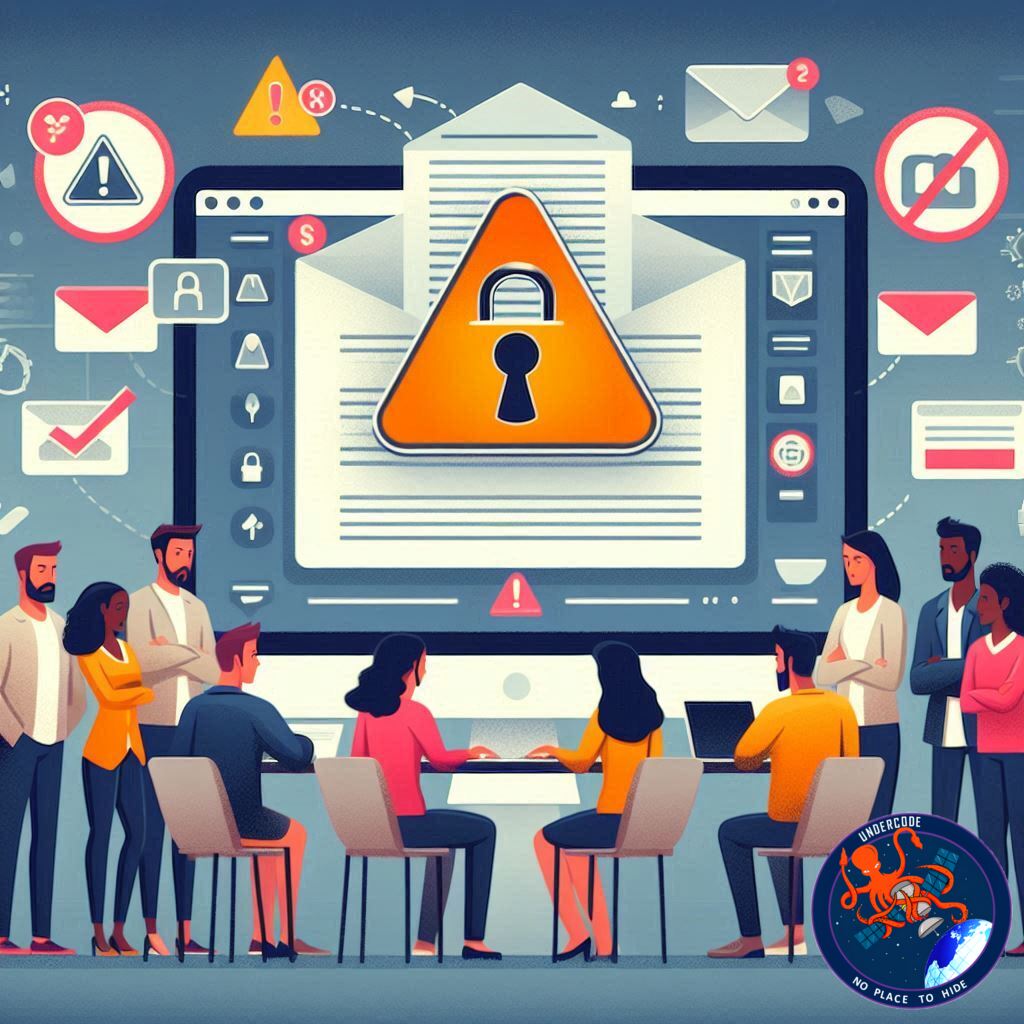
Introduction: The Rising Threat of NFT-Linked Phishing
As NFTs continue to dominate headlines and social media feeds, cybercriminals have found a lucrative playground. Sophisticated phishing campaigns are increasingly impersonating well-known global brands to manipulate crypto enthusiasts into revealing their wallet credentials. These attacks are crafted to look legitimate, preying on the excitement surrounding NFT drops, collaborations, and exclusive digital collectibles. With deceptive emails, realistic website clones, and cleverly timed campaigns, these scams are more dangerous than ever. Understanding their tactics and learning how to protect yourself is crucial for anyone navigating the NFT ecosystem.
How the Scam Unfolded: A Close Look at the Phishing Campaign
The campaign began with an email that appeared authentic at first glance. The subject line read “Claim Pepsi Mic Drop 1894,” immediately catching the attention of NFT collectors familiar with such giveaways. The email’s body promoted a supposed collaboration: “OpenSea x Pepsi partnership,” a concept that could easily seem plausible. The sender’s email address even ended in “@em[.]pepsico[.]com,” giving it an extra layer of credibility.
The message congratulated recipients for being “selected” to claim an NFT from Pepsi’s Mic Drop collection. Every visual element—the layout, logos, and typography—was crafted to appear genuine. The email included a call-to-action asking users to “connect your wallet,” a seemingly standard procedure in the NFT world. However, connecting the wallet would redirect users to a fraudulent domain (micdrop-market[.]com), designed to mimic OpenSea’s interface almost perfectly.
Within hours, a second wave of phishing emails arrived, this time impersonating Mythical Games with a “FIFA Mystery Player NFT” promotion. Interestingly, this email came from the same spoofed PepsiCo address, revealing a coordinated strategy targeting users through recognizable brands. The goal was clear: exploit the trust that crypto users place in popular brands and trick them into authorizing malicious transactions or exposing sensitive wallet credentials.
Cybersecurity software such as Bitdefender Ultimate Security flagged and blocked these domains, but unprotected devices could easily load the fake sites. The campaign demonstrated how cybercriminals combine timing, brand recognition, and thematic consistency to maximize their chances of deceiving targets.
The key takeaway is that NFT scams remain a significant threat. Even the most polished and credible-looking emails can hide malicious intent. Users should verify URLs before clicking, avoid connecting wallets through email links, and rely on multiple layers of cybersecurity protection. Tools like Bitdefender’s Scamio can help users analyze suspicious emails, links, QR codes, images, and messages to determine whether they are fraudulent.
What Undercode Say: Analyzing the NFT Phishing Phenomenon
NFT-related phishing attacks are not only a product of opportunistic hacking but also a reflection of human psychology. Scammers exploit a sense of urgency, exclusivity, and legitimacy—three powerful levers that can bypass critical thinking, even for experienced crypto users. By impersonating recognizable brands, attackers create instant trust and make users more likely to act impulsively.
The Pepsi and Mythical Games campaigns reveal the evolution of phishing techniques. Unlike basic email scams with obvious spelling errors or suspicious links, these campaigns focus on authenticity and subtlety. Every visual element is designed to reinforce credibility, from official-looking email domains to polished interfaces that replicate the experience of legitimate NFT platforms.
Timing is another critical factor. Scammers target periods of high NFT activity, such as popular drops or collaborations, to increase the likelihood that users will click without hesitation. They also recycle the same spoofed email address across multiple campaigns, indicating organized operations behind the scenes rather than isolated incidents.
From a technical perspective, the use of cloned websites is particularly insidious. Users are encouraged to connect their wallets, a seemingly normal step in claiming NFTs, but in reality, this interaction exposes private keys or grants permissions that allow unauthorized transactions. Unlike traditional phishing that relies on password entry, NFT scams often exploit blockchain transaction mechanisms, making them harder to detect and reverse.
Education and awareness remain the best defenses. Users must question unexpected NFT claims, verify official channels, and adopt multi-layered security solutions. Tools like Scamio serve as practical first responders to suspicious messages, while a healthy dose of skepticism can prevent costly mistakes.
These campaigns also highlight a broader trend in cybercrime: the fusion of social engineering with niche interests. Crypto and NFT enthusiasts are particularly vulnerable because the community thrives on hype, exclusivity, and rapid adoption of new technologies. Scammers exploit these cultural traits to design attacks that feel natural and credible.
Finally, there is a need for continued vigilance by companies themselves. Brand protection measures, DMARC email authentication, and proactive monitoring of phishing attempts are essential to prevent reputational damage and protect customers. As NFTs and blockchain technology mature, both users and platforms must evolve their defenses in parallel.
Fact Checker Results:
✅ The emails and domains described have been flagged by cybersecurity experts as phishing attempts.
❌ No official Pepsi or Mythical Games NFT drops match the campaigns detailed.
✅ Tools like Bitdefender Ultimate Security and Scamio effectively detect such fraudulent activity.
Prediction:
NFT-linked phishing attacks will continue to rise, becoming more sophisticated and targeted. Scammers will increasingly leverage well-known brands and trendy collaborations to manipulate users. Blockchain education and enhanced cybersecurity measures will be essential for preventing widespread financial losses in the NFT space.
If you want, I can also create an SEO-optimized version of this article that is highly likely to rank in search engines. Do you want me to do that next?
🕵️📝✔️Let’s dive deep and fact‑check.
References:
Reported By: www.bitdefender.com
Extra Source Hub (Possible Sources for article):
https://www.reddit.com/r/AskReddit
Wikipedia
OpenAi & Undercode AI
Image Source:
Unsplash
Undercode AI DI v2
Bing
🔐JOIN OUR CYBER WORLD [ CVE News • HackMonitor • UndercodeNews ]
📢 Follow UndercodeNews & Stay Tuned:
𝕏 formerly Twitter 🐦 | @ Threads | 🔗 Linkedin | 🦋BlueSky | 🐘Mastodon


