
Listen to this Post
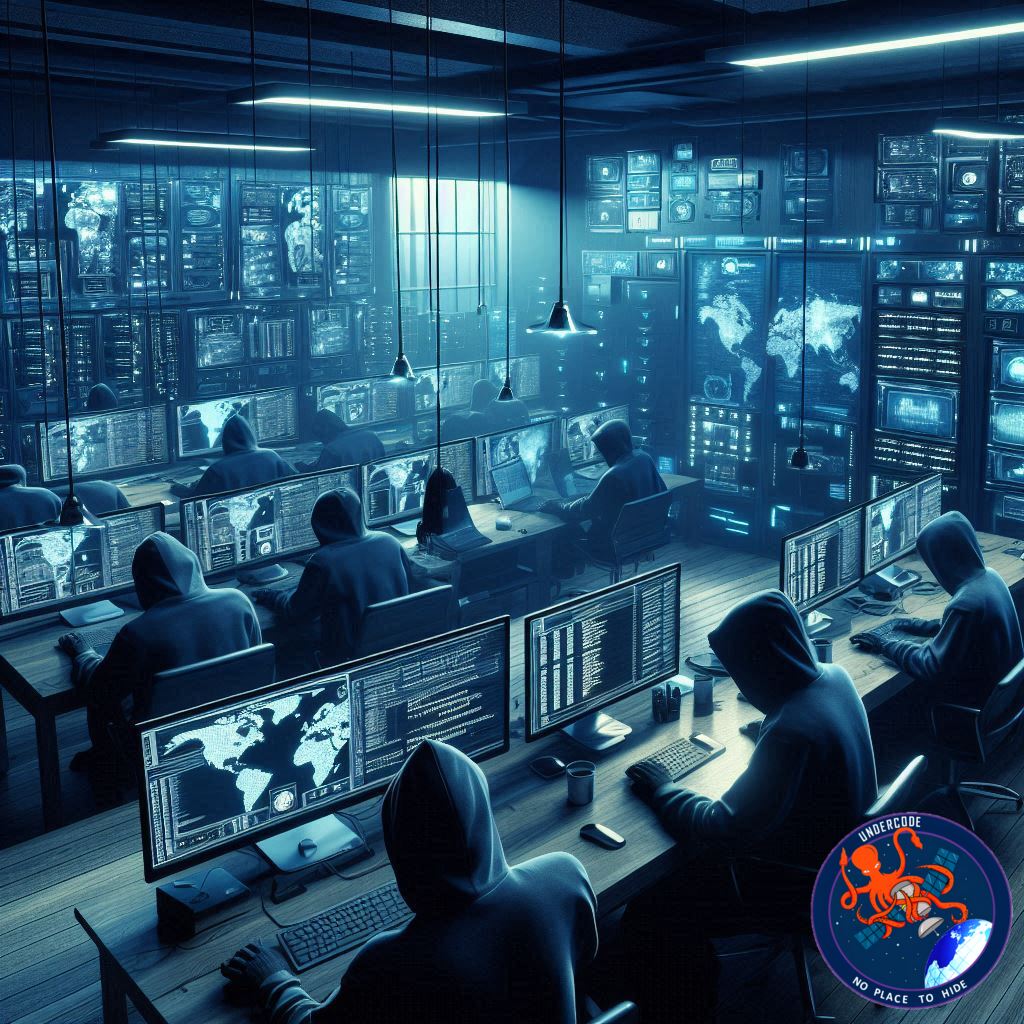
Introduction: When a Cyberattack Becomes a Corporate Nightmare
A ransomware attack does not begin with a bang, it begins with silence. Computers freeze. Files vanish. A single message appears on the screen, cold and taunting. Criminals now hold your data hostage, your customers terrified, your investors watching every move. In that moment, companies discover an uncomfortable truth. Cyberattacks are no longer a technical inconvenience, they are existential threats. When the stakes climb into millions and reputations bleed by the hour, a new kind of specialist steps forward. These professionals do not come with capes. They come with negotiation skills sharp enough to navigate the criminal underworld, and an understanding of human psychology that transforms chaos into strategy.
Below is a rewritten, enhanced, and more compelling English version of the original article, reshaped with narrative depth, clarity, and emotional weight.
Summary of the Original
Cyberattack Nightmare Begins
Ransomware attacks now haunt businesses of every size, crippling networks and threatening to expose their most sensitive data. In these moments of panic, companies turn to an unexpected ally: negotiators trained to communicate with digital criminals.
Rise of the Cyber Negotiator
These negotiators, many with backgrounds in intelligence and law enforcement, act as mediators between corporations and organized cybercrime groups. They enter the fight when attackers have already locked down systems and issued threats. Their mission is clear. Reduce damage, buy time, and safeguard the organization’s survival.
NCA’s Major Breakthrough
The United Kingdom’s National Crime Agency, alongside international partners, recently dealt a massive blow to LockBit, one of the world’s most destructive ransomware syndicates. LockBit’s attacks since 2020 have targeted hospitals, government offices, schools, and global corporations. The damage runs into billions.
Ransomware as a Business
Despite Hollywood stereotypes, ransomware groups are not chaotic outlaws. Experts like Ram Elboim, CEO of Sygnia, explain that ransomware is an organized business with predictable structures and profit-driven motives. These groups operate as enterprises, not reckless criminals firing blindly into cyberspace.
How Negotiation Begins
Attacks frequently strike at night or during weekends, when defenses dip. Once contacted, cybersecurity responders investigate entry points, assess system damage, and determine how far the infection has spread. Only then do negotiators enter the conversation.
Negotiating with Criminals
Negotiation is delicate. Attackers often set deadlines of 72 hours, pressuring victims into paying. While negotiators can haggle down large ransom demands, their real goal is time. Every extra hour allows cybersecurity teams to recover data, rebuild systems, or block attackers entirely.
Extracting Information
Negotiators open communication channels through specialized chat apps or encrypted email. Their job is to decode the attackers’ motives, identify their group, and gather clues about their technical operations. Direct answers are rare. Manipulation and psychological tactics are common.
When Dragging Out the Process Works
In some cases, dragging on the negotiations long enough allows defenders to lock criminals out and restore systems without paying a single dollar. When this happens, the organization can simply walk away from the ransom demand.
When Payment Becomes Inevitable
But not all scenarios end well. Some companies must pay to prevent leaks or recover essential data. Even after payment, the road to recovery is long and uncertain. Attackers may leave backdoors. They may return. They may sell information to other criminals. Elboim shares a case where a second attacker broke in immediately after the first one claimed to leave.
Human Side of Cyber Rescue
Despite the high stakes and technical pressure, victories can be deeply emotional. In one case, after Sygnia’s team saved a multinational company from collapse, a security guard thanked them for preserving his job and livelihood. Moments like this reveal the human weight beneath digital warfare.
What Undercode Say: Strategic Insights Behind the Cyber Negotiator’s War
The New Battlefield of Modern Business
Cybercrime has evolved into a parallel economy. Ransomware groups now function like multinational corporations, complete with customer support, HR-like structures, and financial branches. Their victims range from global giants to local schools, and the battlefield stretches across continents.
Why Negotiators Are Now Essential
When a cyberattack hits, executives face an impossible dilemma. Pay criminals and risk future extortion, or refuse payment and risk catastrophic data loss. Professional negotiators step into this grey zone with one objective. Protect the organization at all costs. Their presence has become essential because the average company lacks the psychological, technical, and tactical expertise to engage with criminal enterprises.
The Psychology Behind Ransomware Talks
Negotiators rely on behavioral intelligence. Their conversations subtly manipulate attackers, delaying deadlines, extracting clues, and probing weaknesses. They push attackers to reveal technical details without realizing it. Every interaction becomes a psychological chess match, where time is the currency and information is the weapon.
Why Time Can Be More Valuable Than Money
Buying time is often more important than reducing the ransom. A weekend’s worth of delay can allow forensic teams to trace attacker movements, close backdoors, restore backups, or even deploy countermeasures that invalidate the ransom demand entirely. To criminals, time is pressure. To negotiators, time is salvation.
The Illusion of Paying for Safety
Many organizations believe that payment brings closure. In reality, it brings uncertainty. Criminals may provide a decryption key, but the system remains compromised. Attackers may retain data. They may resell stolen information or coordinate with other gangs. Payment never guarantees safety. It only buys temporary relief.
Why Cybersecurity Must Shift from Reaction to Prevention
Ransomware negotiators exist because organizations have not invested enough in proactive defense. As long as companies rely on outdated systems, weak authentication, and poor backup strategies, attackers will remain a step ahead. The presence of negotiators highlights a deeper issue. Cybercrime thrives because the digital world is expanding faster than its security.
The Ethics of Negotiation
There is a growing moral debate around ransom payments. Every payment strengthens the ransomware economy, funding future attacks. Yet refusing to pay can destroy hospitals, schools, and businesses. Negotiators navigate this ethical tension, making decisions that balance survival against principle.
The Human Impact of Cyber Warfare
Behind every cyberattack is a ripple effect that touches families, employees, patients, students, and entire communities. A ransomware attack on a hospital can delay surgeries. An attack on a school can expose children’s data. An attack on a business can bankrupt families. Cyber negotiators become unexpected guardians of livelihoods.
Why LockBit’s Fall Is a Turning Point
The takedown of LockBit may signal a shift in global cyber enforcement. It demonstrates that international agencies can disrupt even the largest ransomware networks. But history suggests that new groups will rise. Cybercrime thrives in the shadows, and the shadows are always there.
A Future Where Negotiators Become First Responders
As the digital world becomes more connected, negotiators will become the firefighters of cyberspace. Their skills, intuition, and psychological tactics will be crucial in responding to crises that evolve faster than traditional security teams can handle. They represent a new frontier in protecting organizations from invisible enemies.
🔍 Fact Checker Results
LockBit was indeed dismantled by international law enforcement. ✅
Ransomware groups regularly target governments, schools, hospitals, and major companies. ✅
Paying a ransom does not guarantee future protection or security. ❌
📊 Prediction
In the next years, ransomware negotiators will become mainstream emergency responders. 🔮
Cyberattack frequency will rise as AI accelerates criminal capabilities. 📈
Organizations will increasingly adopt negotiation-centric cybersecurity strategies. 💼
🕵️📝✔️Let’s dive deep and fact‑check.
References:
Reported By: www.legit.ng
Extra Source Hub (Possible Sources for article):
https://www.stackexchange.com
Wikipedia
OpenAi & Undercode AI
Image Source:
Unsplash
Undercode AI DI v2
Bing
🔐JOIN OUR CYBER WORLD [ CVE News • HackMonitor • UndercodeNews ]
📢 Follow UndercodeNews & Stay Tuned:
𝕏 formerly Twitter 🐦 | @ Threads | 🔗 Linkedin | 🦋BlueSky | 🐘Mastodon


