
Listen to this Post
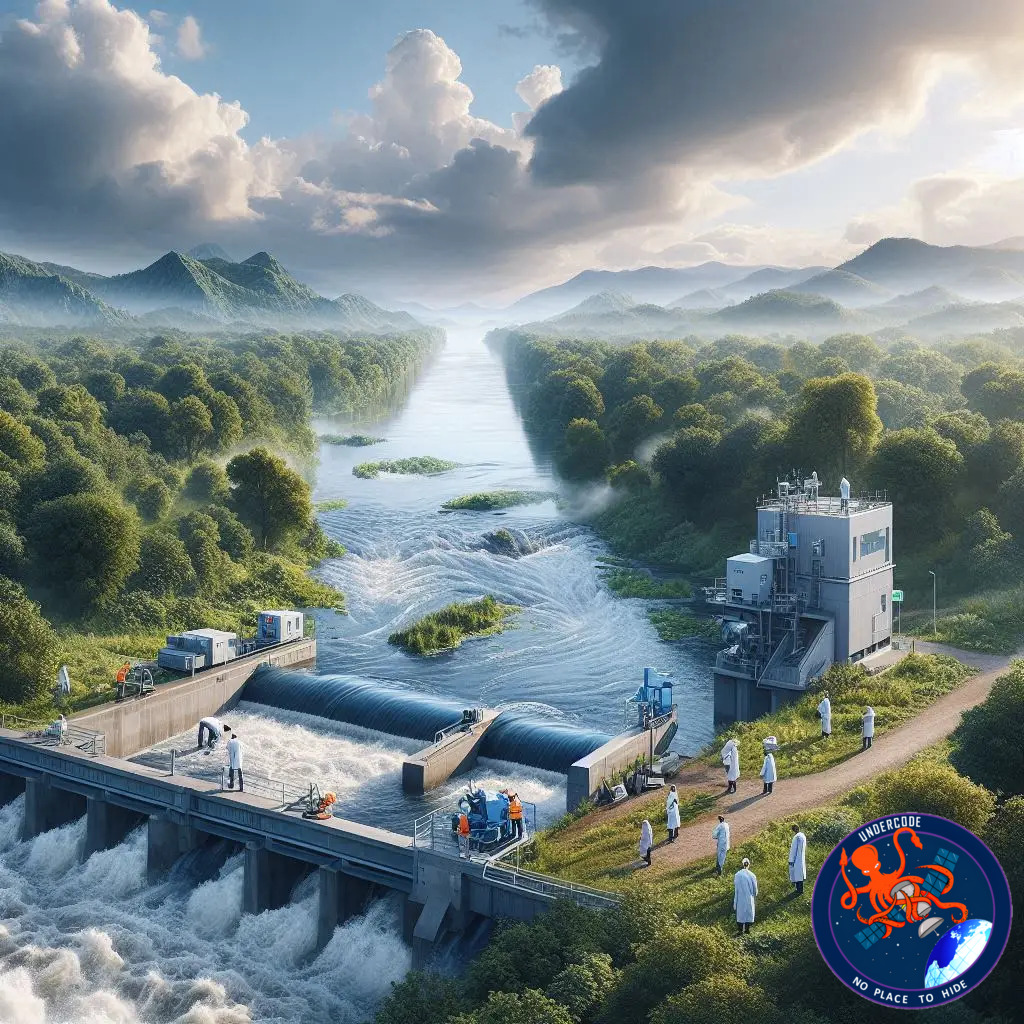
The Tisza River, a vital waterway stretching across five countries in Central and Eastern Europe, is increasingly under stress from climate change. Extreme floods, prolonged droughts, and pollution have made its management a complex challenge, demanding cross-border cooperation. Serbia and Hungary, two countries along its course, have launched the ADAPTisa project—a collaborative initiative that brings together universities, researchers, water management authorities, and volunteers. Their goal: to create a cutting-edge digital platform for integrated river basin management, combining real-time monitoring, data sharing, and predictive modeling to respond effectively to environmental threats.
Monitoring the Pulse of the Tisza
The ADAPTisa project emphasizes collaboration and innovation. Slobodan Kolaković, associate professor at the University of Novi Sad and coordinator of ADAPTisa, explains that the initiative aims to create a “digital space” where experts and institutions can exchange data, forecast risks, and coordinate responses in real time. By pooling knowledge and technology from both Hungary and Serbia, the project tackles the increasing impacts of climate change head-on.
On October 16, more than sixty volunteers—including teachers, university students, and local citizens—participated in a major river cleanup in Bečej, Serbia. For several kilometers, they collected visible trash along the banks and riverbed. Kolaković emphasizes that waste is a recurring problem: floodwaters carry debris downstream from Ukraine and Hungary to Serbia, creating hazards along the shores. Cleanup efforts not only protect the river ecosystem but also raise awareness of cross-border pollution challenges.
Meanwhile, research teams are collecting water samples along the river to test pH levels, phthalates, pesticides, and other pollutants using a portable laboratory provided by ADAPTisa. Maja Petrović, coordinator of these water testing activities, highlights that each sample contributes directly to the integrated management platform. These analyses will help validate predictive models for floods and droughts, ensuring that future water management strategies are based on accurate, real-time data.
The Human Side of Floods
For local residents, the river’s power is personal. Miljan Jovanović, a volunteer from Vojvodina, recalls the devastating 2006 flood that destroyed his old cottage, leaving only sixty centimeters of roof above water. Personal histories like his reinforce the urgency of documenting the river’s behavior and creating effective flood management solutions.
The ADAPTisa platform will integrate river monitoring, historical hydrological data, and AI-driven simulations to provide precise forecasts of floods and droughts. Public water management institutions in Serbia and Hungary will access the platform, which will also be available to the public via the Lower Tisza Regional Water Management Directorate website in Szeged, Hungary. The total project budget is €1.4 million, with 85% funded by the European Union and the remainder by local partners.
Péter Kozák, head of the Lower Tisza Regional Water Management Directorate, emphasizes that while the river’s levels were catastrophic in 2006, today they are alarmingly low, highlighting severe drought. Through detailed analysis and innovative monitoring, the project seeks cost-effective solutions for water retention, surface water restoration, and creating new retention areas. Kozák notes that the worst-case scenario combines low rainfall, high temperatures, rapid water evaporation, and minimal river flow—a situation the project aims to anticipate and mitigate.
What Undercode Say:
ADAPTisa represents a model for modern, cross-border water management in an era of climate uncertainty. By integrating volunteers’ efforts, AI modeling, and comprehensive monitoring, the project tackles both environmental and social dimensions of river management. The combination of citizen science—through cleanup drives and water sampling—and advanced technological tools ensures a holistic understanding of the Tisza’s ecosystem.
The project demonstrates the power of collaborative governance, showing that no single institution or country can address transboundary water issues alone. Sharing data in real-time allows authorities to respond to floods and droughts more efficiently, potentially saving lives and reducing economic damage. It also fosters a culture of accountability and awareness among local populations, who see the direct impact of their participation.
AI-driven forecasting is particularly noteworthy. Historical hydrological data, coupled with ongoing real-time measurements, allow for predictive models that anticipate extreme events before they happen. This proactive approach contrasts sharply with traditional reactive flood management, which often comes too late to prevent severe damage.
Furthermore, ADAPTisa’s funding model reflects the EU’s commitment to environmental cooperation and sustainability. With substantial EU backing, the project provides a template for future transnational water management initiatives. It also highlights the importance of public access to environmental data—transparency here strengthens civic engagement and policy implementation.
From an ecological perspective, monitoring water quality is critical. The project’s analysis of pollutants such as phthalates and pesticides informs both immediate remediation efforts and long-term river health strategies. Waste management along riverbanks is equally vital; debris not only obstructs water flow during floods but also introduces contaminants that degrade aquatic ecosystems.
The historical dimension cannot be understated. Residents’ memories of past floods offer invaluable insights for designing resilient infrastructure. Integrating anecdotal and scientific knowledge allows the platform to account for the full spectrum of risk scenarios.
ADAPTisa also underscores climate change’s uneven impacts. While extreme floods still occur, droughts are now increasingly frequent, demonstrating the dual pressures on river systems. The project’s adaptability to both high and low water conditions is crucial, illustrating a forward-thinking approach to environmental management.
Finally, the initiative signals the growing importance of cross-border collaboration in Europe. With rivers rarely confined to political boundaries, joint projects like ADAPTisa could become standard practice, creating a network of interconnected monitoring systems across the continent. This could lead to more resilient and sustainable management of shared water resources.
Fact Checker Results:
✅ ADAPTisa is officially funded by the EU Cohesion Policy and local partners.
✅ Volunteers and researchers are actively involved in river cleanup and water sampling.
❌ Claims about exact flood and drought levels should be regularly updated with real-time data.
Prediction:
🌊 ADAPTisa could serve as a model for AI-powered flood and drought management in other European rivers.
💧 Public engagement through citizen science may increase environmental awareness in cross-border regions.
⚡ As climate change intensifies, integrated monitoring platforms like ADAPTisa will likely become essential tools for river management.
🕵️📝✔️Let’s dive deep and fact‑check.
References:
Reported By: www.euronews.com
Extra Source Hub (Possible Sources for article):
https://www.linkedin.com
Wikipedia
OpenAi & Undercode AI
Image Source:
Unsplash
Undercode AI DI v2
Bing
🔐JOIN OUR CYBER WORLD [ CVE News • HackMonitor • UndercodeNews ]
📢 Follow UndercodeNews & Stay Tuned:
𝕏 formerly Twitter 🐦 | @ Threads | 🔗 Linkedin | 🦋BlueSky | 🐘Mastodon


