
Listen to this Post
Introduction
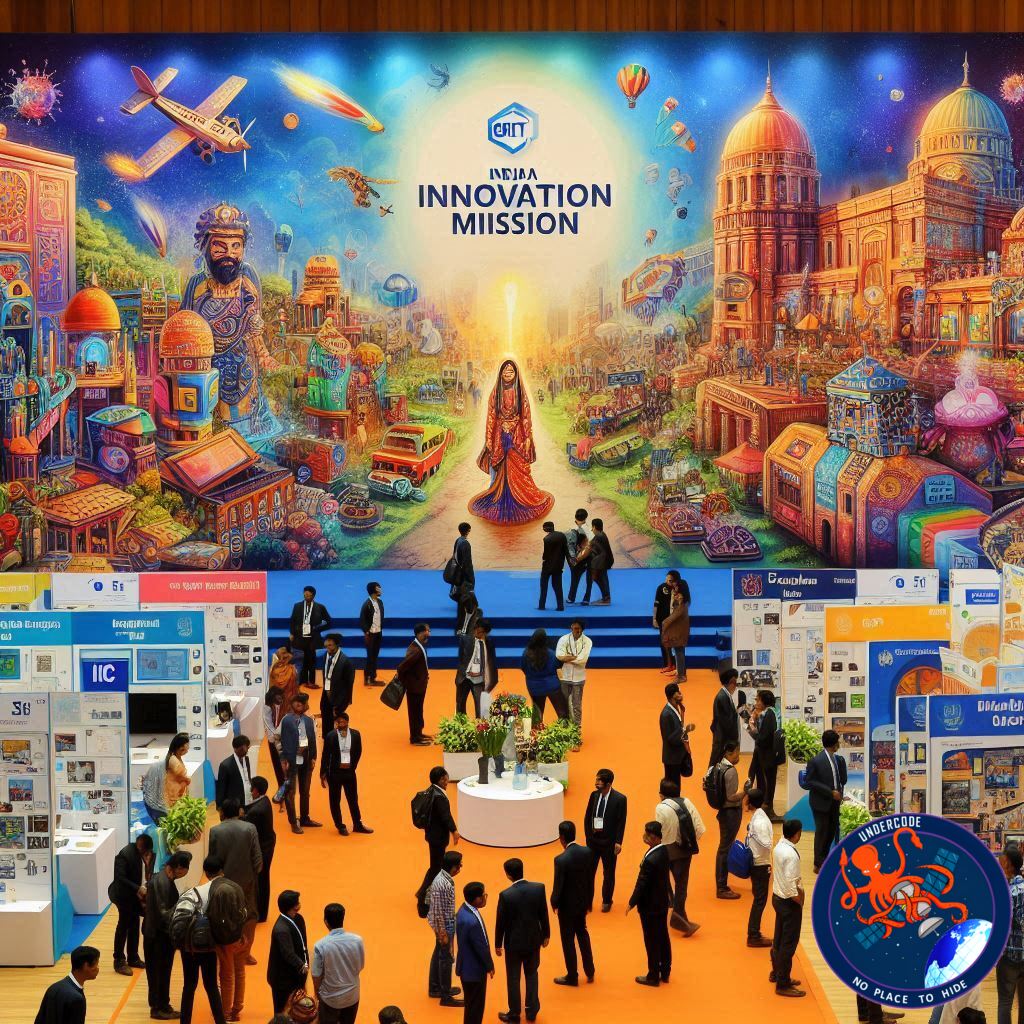
India’s innovation ecosystem is steadily gaining momentum, and the IIC Regional Meet 2025 at Gokaraju Rangaraju Institute of Engineering and Technology (GRIET) showcased the country’s drive to foster entrepreneurship, research, and creative thinking. With cutting-edge labs, strong institutional frameworks, and a focus on student-led innovation, the event highlighted how India is positioning itself as a hub of technological and societal advancement.
GRIET: A Hub for Innovation and Entrepreneurship
GRIET has emerged as a beacon of innovation in Hyderabad, offering students platforms to ideate, experiment, and launch projects. The GRIET Idea Lab functions as a comprehensive product-creation hub, equipped with facilities for 3D printing, chip design, and GISMO Board development. Dr. Ramasundhari, IIC In-Charge, emphasized that the institution has cultivated an innovation-driven culture, aligning with the frameworks of AICTE, Ministry of Education, and the Government of Telangana.
Student Engagement and Knowledge Platforms
GRIET encourages students to interact with entrepreneurs and industry experts through TEDx events, E-Talks, and G-Talks. These initiatives allow students to explore creative solutions while gaining real-world insights. Additionally, the college participates actively in ecosystem awareness initiatives such as 4K/5K walks, reinforcing social responsibility alongside technological growth.
National Recognition and Strategic Goals
The Director of GRIET expressed pride in the institution being selected as one of only eight centers nationwide to host the prestigious regional meet. India, currently ranked 38th in the Global Innovation Index (GII), aims to climb higher, targeting a position below 25 by 2047 while achieving a $30 trillion GDP. This ambition reflects the institution’s commitment to shaping innovators who contribute meaningfully to national development.
R&D Investments and Institutional Support
GRIET allocates 1.5% of its annual budget to R&D and ensures all students engage with mandatory AICTE-prescribed courses. Guest of Honour Beema Lingeshwar Reddy highlighted that Telangana now houses 88 IDEA Labs and a repository of 2.5 lakh innovative ideas. Prof. Sri Ram Venkatesh underlined the significance of strengthening the manufacturing sector to support India’s transition from a developing to a developed nation.
Advanced Prototyping and Persistence
Aditya Ravishankar from T-Works showcased how modern prototyping technologies make the “idea to reality” journey more achievable than ever. Drawing inspiration from icons like Thomas Edison and The Beatles, he stressed persistence in innovation despite failures. Similarly, AICTE Chairman Prof. Sitaram emphasized the need for higher R&D budgets and mandatory R&D cells, noting that over 79,000 staff and 1.6 lakh students have already benefited from IIC initiatives.
Knowledge Revolution and Academic Social Responsibility
Prof. V. Balakista Reddy, Chairman, TSCHE, described the current era as a Knowledge Revolution, asserting that intellectual capital is the key to global leadership. With India’s youth population at the center of this transformation, he highlighted the role of Academic Social Responsibility (ASR) in shaping responsible, innovation-driven citizens.
Entrepreneurial Mindset and Community Building
At the valedictory session, Mr. Pankaj Diwan underscored the shift in student attitudes toward entrepreneurship. While not every student may launch a startup, all possess entrepreneurial potential. Faculty and institutions are tasked with nurturing this potential and creating communities that embed innovation as a culture rather than a temporary initiative.
Celebrating Innovation Achievements
The event concluded with the Best Poster Awards, recognizing student contributions from Vardhaman Engineering College, GRIET, Bharatiya Vidya Bhavans, and CMRIT. The recognition emphasizes the tangible results of fostering creativity and practical problem-solving among young innovators.
What Undercode Say:
GRIET’s approach exemplifies a holistic innovation ecosystem that blends infrastructure, mentorship, and social responsibility. By integrating AICTE frameworks and state initiatives, the institution has created a model for other colleges aiming to cultivate entrepreneurial mindsets. The emphasis on modern prototyping, chip design, and Idea Labs ensures students gain hands-on experience, translating abstract ideas into market-ready solutions.
The inclusion of platforms like TEDx and E-Talks allows students to interface with the broader entrepreneurial ecosystem, bridging the gap between theoretical learning and real-world problem-solving. Importantly, the proactive approach toward R&D—allocating budget, mandatory courses, and future R&D cells—demonstrates a commitment to long-term capacity building, aligning with India’s broader goal of moving up the Global Innovation Index.
Moreover, the event underlines the need to embed innovation as a cultural norm rather than a temporary initiative. By stressing persistence, iterative learning, and entrepreneurial thinking, students learn to navigate failures and convert them into learning opportunities. Highlighting ASR also ensures that technological advancement is paired with social awareness, creating innovators who contribute to sustainable societal development.
GRIET’s positioning as one of eight centers hosting the regional meet reflects national recognition of its efforts. With 88 IDEA Labs in Telangana and the Yukthi Repository capturing 2.5 lakh ideas, there is a clear infrastructure supporting innovation, yet the gap between potential and output indicates significant opportunities for further engagement. Encouraging students to participate in competitions, awareness drives, and practical R&D projects cultivates a well-rounded skill set necessary for leadership in emerging industries.
Finally, the event reflects a larger national narrative: India aims to transition from a developing to a developed economy, with innovation as a cornerstone. By leveraging the country’s largest youth demographic, institutions like GRIET are ensuring that future leaders are equipped with intellectual tools, practical experience, and a mindset for societal impact. The alignment between institutional efforts, government policies, and national goals showcases a promising trajectory for India’s innovation ecosystem.
Fact Checker Results:
✅ GRIET hosts a fully equipped Idea Lab for product development.
✅ India ranks 38th in the Global Innovation Index as reported.
❌ The target of $30 trillion GDP by 2047 is aspirational, not guaranteed.
Prediction
📊 India’s innovation ecosystem is likely to accelerate in the next decade, with IDEA Labs and student-centric initiatives serving as catalysts. With increased R&D investment, integration of modern prototyping technologies, and emphasis on entrepreneurial culture, institutions like GRIET could contribute significantly to improving India’s GII rank below 25 by 2047. The focus on social responsibility and knowledge transfer may also foster startups that address local and global challenges, establishing India as a leading hub for both technological and societal innovation.
🕵️📝✔️Let’s dive deep and fact‑check.
References:
Reported By: www.deccanchronicle.com
Extra Source Hub (Possible Sources for article):
https://www.pinterest.com
Wikipedia
OpenAi & Undercode AI
Image Source:
Unsplash
Undercode AI DI v2
Bing
🔐JOIN OUR CYBER WORLD [ CVE News • HackMonitor • UndercodeNews ]
📢 Follow UndercodeNews & Stay Tuned:
𝕏 formerly Twitter 🐦 | @ Threads | 🔗 Linkedin | 🦋BlueSky | 🐘Mastodon


