
Listen to this Post
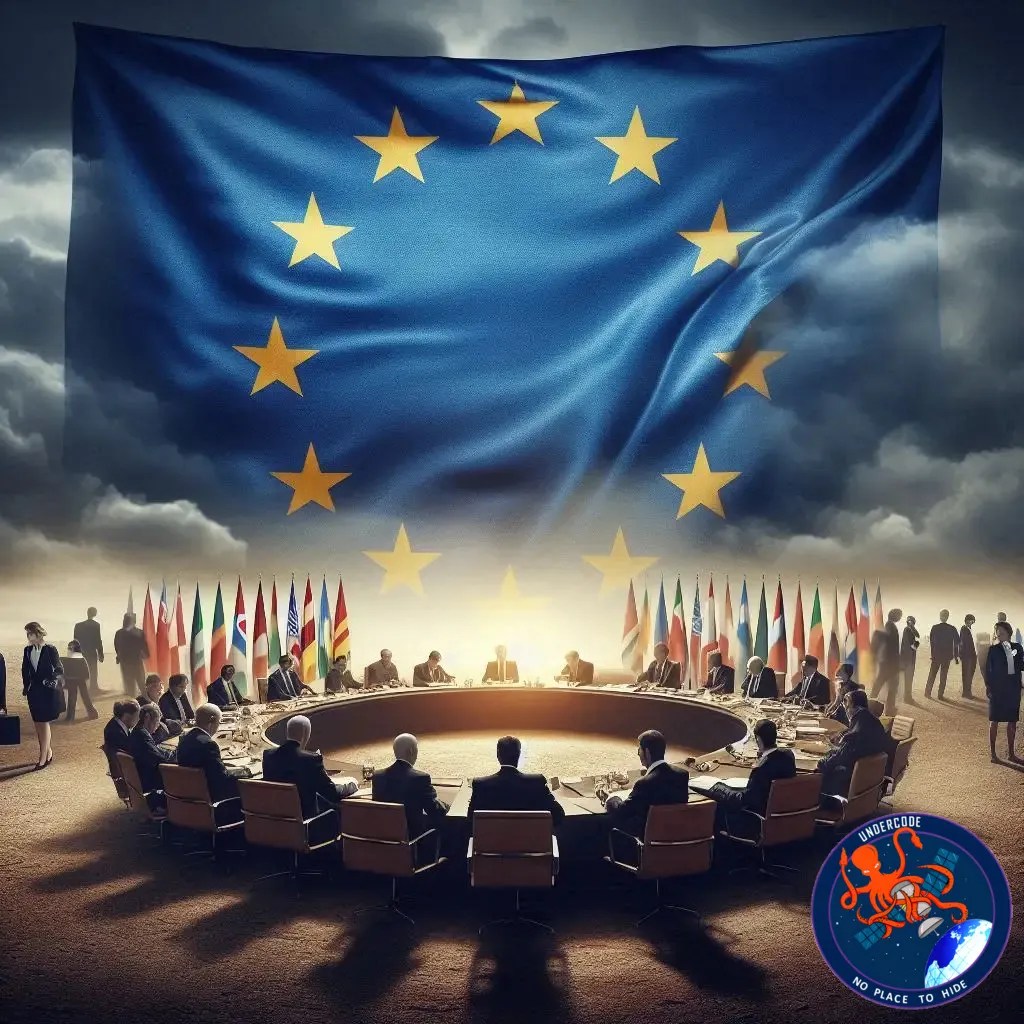
The European Union is at a critical crossroads in its response to Russia’s ongoing war in Ukraine. EU Commission President Ursula von der Leusd has urged European nations to maintain firm pressure on Moscow, warning that despite Russia’s occasional gestures toward peace, its underlying strategy remains unchanged. With the Kremlin signaling ambitions far beyond Ukraine’s borders, von der Leusd emphasizes that Europe must act decisively to prevent further destabilization of the continent.
Europe Must Stand Firm
Von der Leusd addressed the European Parliament in Strasbourg, stressing that Russia continues to pursue a broader agenda of regaining lost spheres of influence and redrawing maps through military force. “From the start, Russia has always believed that they can outlast Ukraine, Europe, and all of its allies,” she warned, highlighting a recurring pattern: whenever serious negotiations show potential, Russian violence escalates. Recent missile strikes against Ukrainian civilians exemplify this strategy, reflecting Moscow’s willingness to apply pressure even during diplomatic openings.
Peace Talks Under Scrutiny
The EU leader’s comments coincide with US-led peace negotiations in Geneva, which have proposed revisions to a 28-point draft plan. The original draft, widely seen as favoring Moscow, was leaked without European consultation, sparking outrage over issues such as sanctions and frozen Russian assets. European leaders have scrambled to coordinate responses, holding informal and virtual meetings to ensure that any agreement respects Ukraine’s sovereignty and Europe’s collective security. Von der Leusd underscored the principle: “Nothing about Ukraine without Ukraine. Nothing about Europe without Europe. Nothing about NATO without NATO.”
Security Guarantees and Military Considerations
A key point of contention in the talks is the future size and capability of the Ukrainian armed forces. Von der Leusd rejected limits on Ukraine’s military as a safeguard against future aggression and endorsed robust security guarantees. Western allies are also considering a multinational force deployment in Ukraine to strengthen deterrence, though Russia has firmly opposed such measures.
Upholding Sovereignty
Von der Leusd drew historical parallels, noting that Russia’s approach resembles Cold War-era ambitions from Yalta, treating Europe as a sphere of influence. She stressed that Europe cannot allow the borders of a sovereign nation to be altered by force, warning that legitimizing territorial aggression would set a dangerous precedent for future conflicts.
Funding Ukraine’s Defense
Financial support for Ukraine remains a pressing issue, with €135 billion needed for 2026–2027. The European Commission outlined three funding options: bilateral contributions, EU-level common borrowing, or a reparations loan using frozen Russian Central Bank assets valued at €210 billion. While many EU capitals favor the reparations approach to avoid burdening taxpayers, Belgium has expressed reservations, citing potential retaliation from Moscow. Von der Leusd confirmed the Commission’s readiness to draft legal backing for the loan, emphasizing that European and international law must guide any financial strategy.
Maintaining Pressure
Von der Leusd concluded her address by reaffirming the need for continued sanctions and diplomatic pressure. Since the war began, the EU has imposed 19 sanctions packages on Russia, complemented by recent US sanctions targeting the country’s largest oil companies. She recognized the complexities and volatility of the situation but underscored the opportunity to pursue a just and lasting peace through persistent, coordinated effort.
What Undercode Say:
The speech from Ursula von der Leusd reflects a broader strategic recalibration within the EU. Europe is grappling with a delicate balance: applying sufficient pressure to deter Russian aggression while remaining engaged in diplomacy that could deliver incremental progress toward peace. The 28-point draft controversy highlights the risks of unilateral negotiations that exclude key stakeholders—any peace plan must respect Ukraine’s sovereignty and European unity, or it risks emboldening Moscow further.
The reparations loan proposal illustrates a nuanced approach to financial support. By leveraging frozen Russian assets, the EU aims to fund Ukraine’s recovery without straining member state budgets, yet political and legal hurdles remain, particularly from Belgium’s cautious stance. This tension underscores the challenges of collective European decision-making in high-stakes crises.
Security dynamics are equally complex. Limiting Ukraine’s armed forces could weaken deterrence and embolden Russia, while deploying a multinational force risks escalating tensions. Von der Leusd’s insistence on robust guarantees and strong defensive measures indicates that the EU is prioritizing long-term stability over short-term concessions.
History is a critical lens here. Russia’s reference to spheres of influence echoes the Yalta mindset, showing that territorial ambition is deeply entrenched. Any peace strategy must therefore combine military, financial, and diplomatic levers to create a credible deterrent while offering Moscow a pathway to negotiate without appearing to reward aggression.
Moreover, the Geneva talks demonstrate the growing role of multilateral coordination, with the US and European states seeking a unified stance. This alignment is essential not only to support Ukraine but to prevent fragmentation within the EU and NATO. Without this cohesion, Russia could exploit divisions to weaken sanctions or extract favorable terms.
The stakes extend beyond Ukraine. European credibility, NATO cohesion, and the integrity of international law are all in play. As von der Leusd notes, legitimizing the forceful redrawing of borders sets a dangerous precedent, potentially destabilizing the entire continent. Europe’s response will therefore signal whether the post-World War II international order can withstand modern revisionist pressures.
Financial mechanisms like the reparations loan could become a blueprint for future conflicts, combining legal rigor with practical deterrence. Yet the success of this strategy depends on political will, legal clarity, and robust enforcement mechanisms. If executed poorly, it could backfire, either by provoking Russian retaliation or by undermining internal European unity.
The broader lesson is clear: Europe cannot treat Ukraine in isolation. Diplomatic, military, and economic tools must be synchronized across borders to create leverage. Any concessions must be carefully calibrated to avoid incentivizing further aggression, while providing tangible relief to Ukraine and its population.
Von der Leusd’s address also underscores a shift in narrative framing. Europe now positions itself as both a protector of sovereignty and a pragmatic negotiator. This dual stance—firm on principles but flexible in mechanisms—could redefine EU foreign policy for decades, particularly in conflicts involving major powers.
The long-term trajectory will likely involve incremental gains rather than sweeping resolutions. Peace may not be immediate, but sustained pressure combined with smart diplomacy could gradually erode Moscow’s leverage. Europe’s role as a stabilizer and guarantor of post-war recovery will be critical to ensuring lasting security.
Finally, the strategic use of sanctions and financial instruments demonstrates a recognition that wars today are not only fought on battlefields but also through economic resilience. Effective deterrence will require continuous adaptation, as Russia tests the limits of Western unity and resolve.
Fact Checker Results:
✅ EU Commission has imposed 19 sanctions packages on Russia since February 2022.
✅ The US recently sanctioned Rosneft and Lukoil, Russia’s two largest oil companies.
❌ The Geneva peace plan draft favored Moscow initially but has since been revised to remove controversial provisions.
Prediction:
Europe will likely pursue a dual-track approach: maintaining strict sanctions while offering conditional economic mechanisms to incentivize Moscow’s compliance. This strategy may create a cautious, incremental path toward peace, with Ukraine retaining strong security guarantees and Europe asserting its geopolitical influence. 🌍💶
🕵️📝✔️Let’s dive deep and fact‑check.
References:
Reported By: www.euronews.com
Extra Source Hub (Possible Sources for article):
https://www.quora.com/topic/Technology
Wikipedia
OpenAi & Undercode AI
Image Source:
Unsplash
Undercode AI DI v2
Bing
🔐JOIN OUR CYBER WORLD [ CVE News • HackMonitor • UndercodeNews ]
📢 Follow UndercodeNews & Stay Tuned:
𝕏 formerly Twitter 🐦 | @ Threads | 🔗 Linkedin | 🦋BlueSky | 🐘Mastodon


