
Listen to this Post
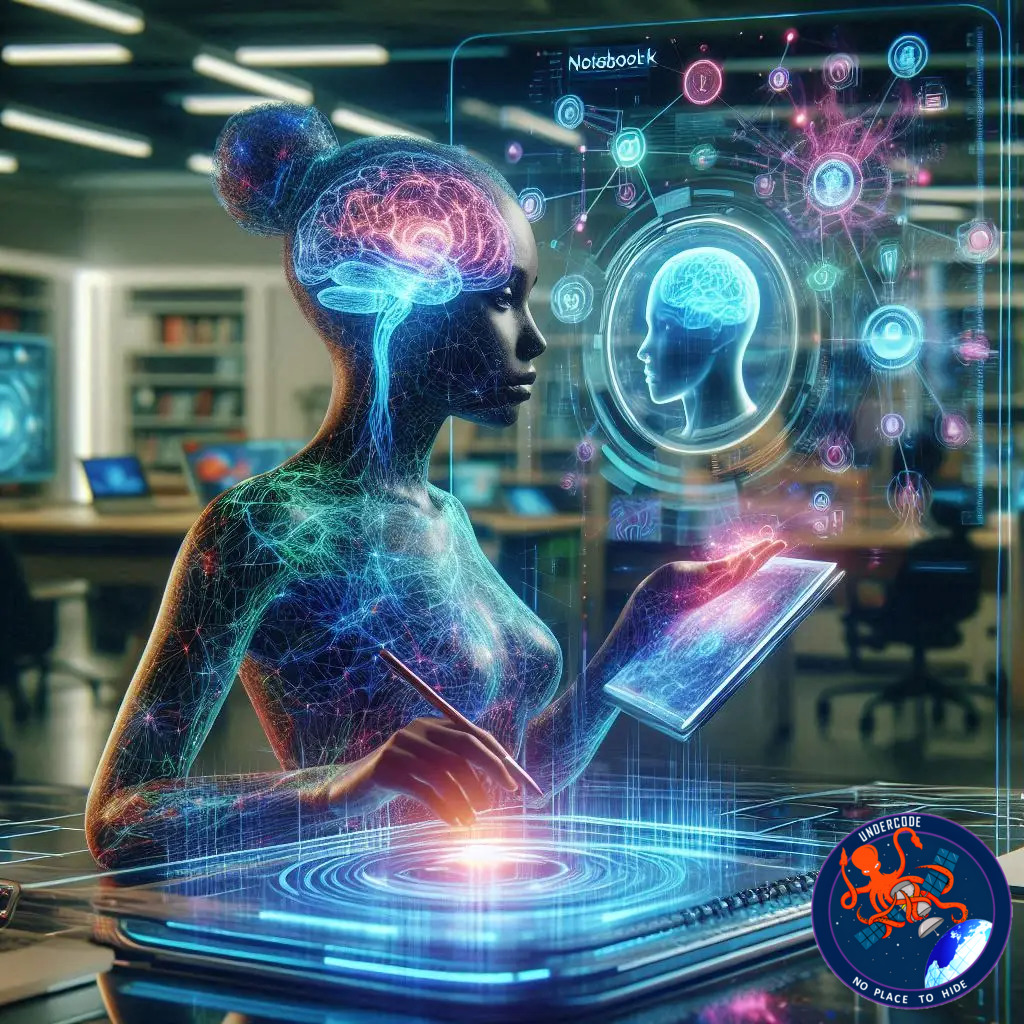 Artificial intelligence has steadily reshaped how we approach learning, research, and content creation. Google’s NotebookLM exemplifies this transformation by turning dense, technical research into instantly digestible visuals and slide decks. While these tools promise efficiency and accessibility, they also provoke a deeper question: are they enhancing understanding, or quietly eroding the cognitive effort essential for true learning?
Turning Research Into Visuals
NotebookLM, first introduced just over two years ago, positions itself as a versatile study assistant capable of generating tailored learning materials. Its latest updates—slide decks and infographics powered by Google’s Nano Banana Pro image model—expand its utility, especially for visual learners or those pressed for time when preparing presentations. Initially exclusive to Google AI Pro subscribers, these features are now available to all users.
The platform promises a reduction in cognitive friction, allowing users to grasp complex topics without enduring hours of painstaking study. For instance, a journalist uploaded a technical paper on primordial black holes as dark matter candidates and asked NotebookLM to generate a high-level slide deck. The AI synthesized the material into an accessible presentation titled “The Case of the Missing Matter,” rendering intricate scientific concepts digestible for lay audiences. Similarly, an infographic comparing physicalism and idealism in consciousness research provided an accurate, visually appealing summary suitable for a general audience.
In practical applications, these features also assist in professional or academic tasks. NotebookLM generated an infographic summarizing the journalist’s career, demonstrating how the platform can streamline otherwise tedious work like resume supplementation or presentation preparation. Minor visual glitches and small inaccuracies exist, but the overall results remain impressive, showing how AI can save time and make content visually compelling.
Cognitive Convenience vs. Intellectual Friction
Despite its allure, NotebookLM highlights a potential trade-off. Intellectual growth often stems from wrestling with complex subjects, and removing this friction could hinder the depth of learning. The journalist noted that while the AI-generated slide deck provided a faithful overview, it was a “thin substitute” for engaging directly with challenging material.
Research indicates that excessive reliance on AI-assisted learning may impair memory recall, critical thinking, and creativity. While NotebookLM’s tools streamline information consumption, they risk promoting superficial comprehension over genuine understanding. The platform is likely most valuable for tasks requiring speed and presentation polish rather than deep self-education. Quick visual aids for school assignments, workplace presentations, or résumé enhancements are pragmatic applications where AI’s efficiency shines without significant cognitive cost.
What Undercode Say:
NotebookLM sits at a critical intersection of AI utility and human cognition. On one hand, it democratizes access to knowledge, transforming dense papers into engaging visual summaries that anyone can understand. The ability to customize slide decks or infographics, select learning orientations, and choose depth of detail empowers users to match content to their needs. Visual learners and professionals juggling multiple responsibilities may find it indispensable.
However, its very efficiency risks creating intellectual complacency. Friction—the effort required to analyze, interpret, and synthesize information—is a cornerstone of meaningful learning. When AI intermediates this process, it substitutes cognitive labor with convenience, potentially eroding analytical rigor. Users may experience a paradoxical blend of empowerment and intellectual atrophy: the feeling of learning without the substance of cognitive growth.
Another consideration is content accuracy. While NotebookLM excelled in familiar domains, AI hallucinations—subtle errors or oversights—remain a concern, especially in fields where nuance is critical. Even minor inaccuracies in visuals or summaries could misinform audiences or misrepresent research findings.
The broader implication for workplaces and education is nuanced. For presentations, résumés, or high-level briefings, the benefits outweigh the costs: time saved and visual polish delivered efficiently. But for self-education, research comprehension, and original thought, reliance on AI must be balanced with deliberate engagement. NotebookLM exemplifies the need for a hybrid approach: let AI handle repetitive synthesis and visualization while preserving human cognitive engagement in analysis, critique, and contextual understanding.
Ultimately, NotebookLM is a mirror reflecting our relationship with AI: an instrument that can enhance, but also potentially erode, our cognitive resilience. Its adoption signals a shift in how knowledge work is conducted, prioritizing speed and accessibility over the slow grind of intellectual mastery. Users must navigate this duality thoughtfully, leveraging AI without sacrificing the cognitive effort that fosters true understanding.
Fact Checker Results:
✅ NotebookLM now includes slide deck and infographic features for all users.
✅ AI-generated visuals can accurately summarize content, though minor errors may occur.
❌ Current evidence does not definitively prove that AI tools improve long-term learning or comprehension.
Prediction:
📊 AI-powered research assistants like NotebookLM will increasingly dominate professional and academic workflows, primarily for presentation and visualization tasks. Visual learning aids will become standard in classrooms and workplaces, while critical thinking and deep learning may increasingly rely on hybrid approaches combining human effort with AI efficiency. The tension between convenience and cognitive rigor will define the next evolution of knowledge work.
🕵️📝✔️Let’s dive deep and fact‑check.
References:
Reported By: www.zdnet.com
Extra Source Hub (Possible Sources for article):
https://www.twitter.com
Wikipedia
OpenAi & Undercode AI
Image Source:
Unsplash
Undercode AI DI v2
Bing
🔐JOIN OUR CYBER WORLD [ CVE News • HackMonitor • UndercodeNews ]
📢 Follow UndercodeNews & Stay Tuned:
𝕏 formerly Twitter 🐦 | @ Threads | 🔗 Linkedin | 🦋BlueSky | 🐘Mastodon


