
Listen to this Post
Introduction, The Rising Question of Upgrade Value
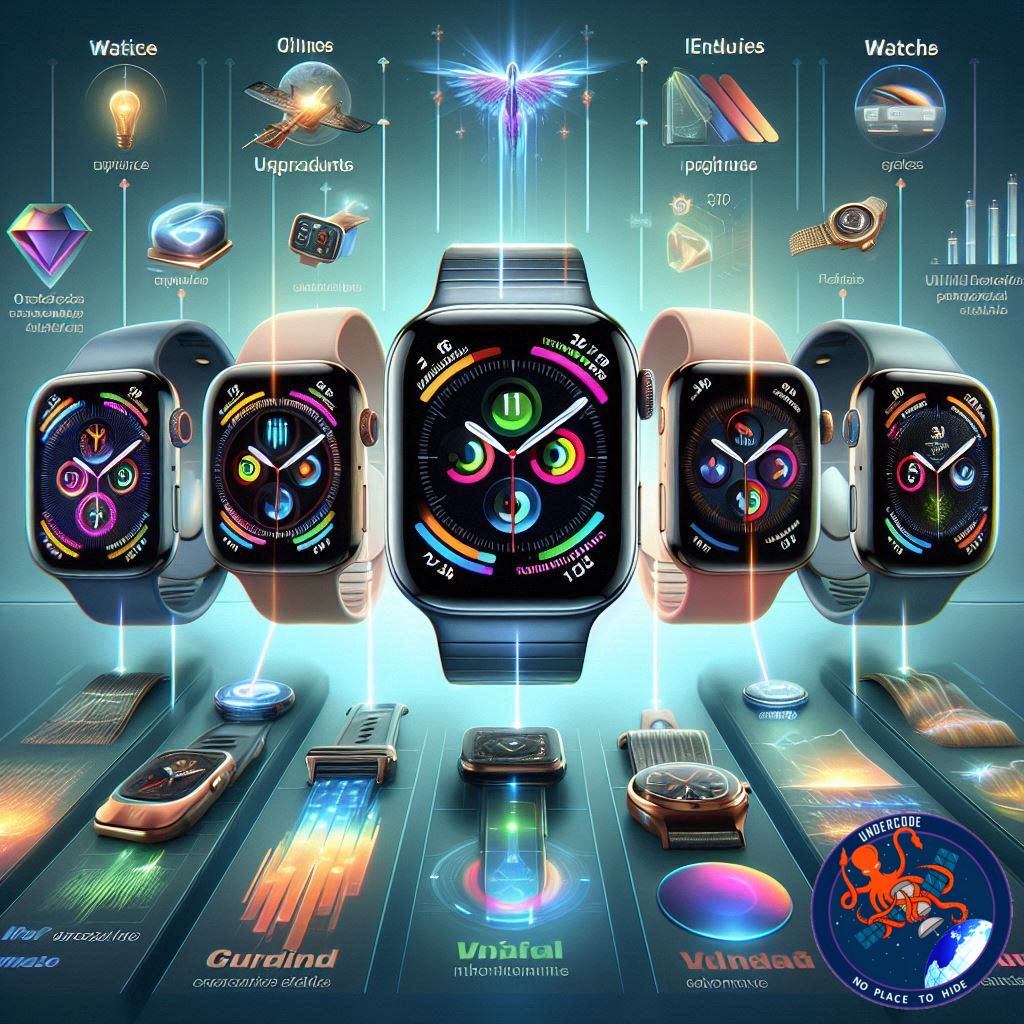
The yearly cycle of Apple Watch releases often leaves users wondering whether it is finally time to upgrade or simply stay loyal to the device already hugging their wrist. For many long-term Apple fans, longevity is part of the brand’s allure. Devices last, batteries hold up, and features continue arriving through software long after the initial purchase. Yet the Apple Watch Series 11 brings enough new technology, performance boosts, and health-oriented sensors that users across several older generations are now facing a more difficult decision. The question is no longer, “Should I upgrade?” but “Does Series 11 meaningfully elevate the Apple Watch experience?” This article breaks down exactly how the new watch compares to Series 10, 9, 8 and 7, and why the upgrade path matters differently for every user depending on the health features, design updates, and long-term OS support they rely on.
the Original
Comparing Series 11 With Apple’s Upgrade Philosophy
Apple loyalists often value the hardware lifespan over yearly upgrades, staying with devices that continue to operate smoothly. This mindset is reflected in users who still rely on older models like the Series 7, appreciating reliability over novelty.
Series 11 Builds on the Thin Profile Trend
Physically, the Apple Watch Series 11 maintains Apple’s contemporary slim build, carrying forward the thin chassis introduced in Series 10. It brings enhanced durability by doubling the scratch resistance of its predecessor and extends battery life from 18 to as much as 24 hours.
Series 11 Introduces Major Health Features
One of the biggest leaps in the Series 11 is the introduction of blood pressure monitoring designed to identify potential hypertension indicators. Apple also expands its wellness suite with a new sleep score system that evaluates sleep duration, quality, interruptions, and cycles.
Software Support Narrows the Gap Between Generations
The article emphasizes that many headline features of Series 11, such as hypertension notifications and sleep score, will be available on Series 10 and some older models through software updates, pending FDA approval in the U.S.
Upgrade From Series 10 May Not Be Necessary
For most owners of the Apple Watch Series 10, upgrading may feel marginal rather than transformative. The new watch adds value but lacks a dramatic overhaul in design or core functionality.
Series 9 Remains a Strong Alternative
The Series 9 retains a robust feature set, including fall detection, crash detection, wrist temperature sensing, and restored blood oxygen monitoring. Thanks to Apple’s software ecosystem, many Series 11 features trickle down to Series 9 users.
Display Differences Begin to Matter on Older Models
Before Series 10, Apple Watches had around 9% smaller active display areas and lower peak brightness, which may influence upgrade decisions for users who prefer more screen real estate.
A Justifiable Upgrade for Series 8 Users
Series 8 users miss out on newer health capabilities like sleep apnea monitoring, the Vitals app, and hypertension alerts. They also remain tied to 18-hour battery life, making the Series 11 an appealing step forward.
Series 7 Users Face a More Tempting Upgrade
For users like the article’s author, who still wear a Series 7 after years of loyal use, Series 11’s expanded health suite and restored blood oxygen monitoring make the upgrade substantially more compelling.
Older Models Miss Key OS-Driven Features
Models including the Series 8 or 7 may run WatchOS 26, but lack the internal hardware required to support its most advanced features. This highlights Apple’s pattern of providing software compatibility without enabling full functionality on aging hardware.
Health Tracking Takes Center Stage
With Series 11, Apple pushes deeper into medical-grade metrics like hypertension indications, temperature sensing, and improved sleep analytics, carving out a path where health remains the defining force behind upgrades.
The Value Proposition Varies by User
The summary closes by noting that those who enjoy a comprehensive suite of health features — especially hypertension alerts and advanced sleep tracking — will feel Series 11 offers a meaningful evolution compared to older models.
What Undercode Say:
The Strategic Shift Toward Health as the Upgrade Trigger
Apple’s transition from design-centric upgrades to health-driven innovation is the strongest sign yet that the Apple Watch is no longer a simple extension of the iPhone. It is becoming a personal medical device, a biological analytics hub, and a tool that competes with specialized wearables. Series 11’s blood pressure monitoring is not just a feature addition. It is a direction shift. Apple is moving toward preventative health care, where the watch becomes the first alarm for conditions that typically go unnoticed.
Series 11 Represents a New Era of Sensor-Powered Intelligence
The introduction of hypertension alerts signals the maturing of Apple’s ambition in biometrics. While ECG and blood oxygen monitoring were impressive, blood pressure tracking elevates the Apple Watch into more clinical territory. It requires precise calibration, multi-sensor analysis, and machine-learning interpretation of vascular signals. This is Apple quietly building a health platform that will eventually surpass competitors like Garmin or Fitbit, not in athletic tools but in medical-grade indicators.
The Upgrade Equation Is No Longer Just About Specs
For Series 10 users, features like scratch resistance and battery life do not justify a move. But for Series 7 or 8 owners, the leap is substantial. The health suite widens. The hardware is more efficient. The sensors are more accurate. And the software takes better advantage of a stronger internal architecture. The upgrade is not about “new design,” it is about “new data.”
Series 9 Stands at the Crossroads of Value and Longevity
As the last major model before the Series 10 redesign, Series 9 occupies an interesting space. It remains capable, fast, and compatible with most forthcoming features. It is the model that will likely age the best for budget-conscious users who want modern functionality without the premium cost of Series 11.
Sleep Technology Is Quietly Becoming Apple’s Battleground
The sleep score is more than a number. Apple is using it to challenge competitors that built their identity around sleep science. Combining interruptions, cycles, and duration forms a multi-layer system that overlaps with established medical criteria. Series 11’s hardware is built to capitalize on high-frequency sampling and temperature tracking, ensuring the results are not just cosmetic features but meaningful metrics.
The Real Upgrade Motivator: OS Longevity
WatchOS is becoming heavier year after year, requiring more internal headroom. Apple is unlikely to drop support for Series 7 or 8 soon, but those models cannot run the most advanced features. This soft form of obsolescence is not intentional but inevitable. Sensors and computation need physical upgrades. Software alone cannot bridge that gap.
Health Feature Lock-In Will Drive Future Purchases
By restricting certain features like hypertension alerts to Series 9 or newer, Apple makes the upgrade pathway clearer. Once users become dependent on metrics like oxygen saturation, sleep apnea detection, or blood pressure trends, upgrading becomes less a choice and more a necessity.
Series 11 Is the First Model Designed for the Next Medical Frontier
Series 11 is not defined by its design. It is defined by its preparedness. It is built to support future regulatory-approved features. Apple is clearly setting the foundation for a new class of wrist-based diagnostics, using Series 11 as the hardware baseline.
Fact Checker Results
Apple’s hypertension notifications are pending FDA clearance. ✅
Scratch resistance on Series 11 is reported as twice that of Series 10. ✅
Blood oxygen monitoring has been restored on Series 9 and newer. ✅
Prediction
Over the next generation, Apple is likely to deepen its investment in medical capabilities. 📊
Expect more clinical-grade sensors emerging in Series 12, validated sleep apnea diagnostics, and increasingly predictive health features. Apple Watch will continue transitioning from a smartwatch to an essential health companion, making the line between medical device and consumer technology increasingly thin.
🕵️📝✔️Let’s dive deep and fact‑check.
References:
Reported By: www.zdnet.com
Extra Source Hub (Possible Sources for article):
https://www.facebook.com
Wikipedia
OpenAi & Undercode AI
Image Source:
Unsplash
Undercode AI DI v2
Bing
🔐JOIN OUR CYBER WORLD [ CVE News • HackMonitor • UndercodeNews ]
📢 Follow UndercodeNews & Stay Tuned:
𝕏 formerly Twitter 🐦 | @ Threads | 🔗 Linkedin | 🦋BlueSky | 🐘Mastodon


