
Listen to this Post
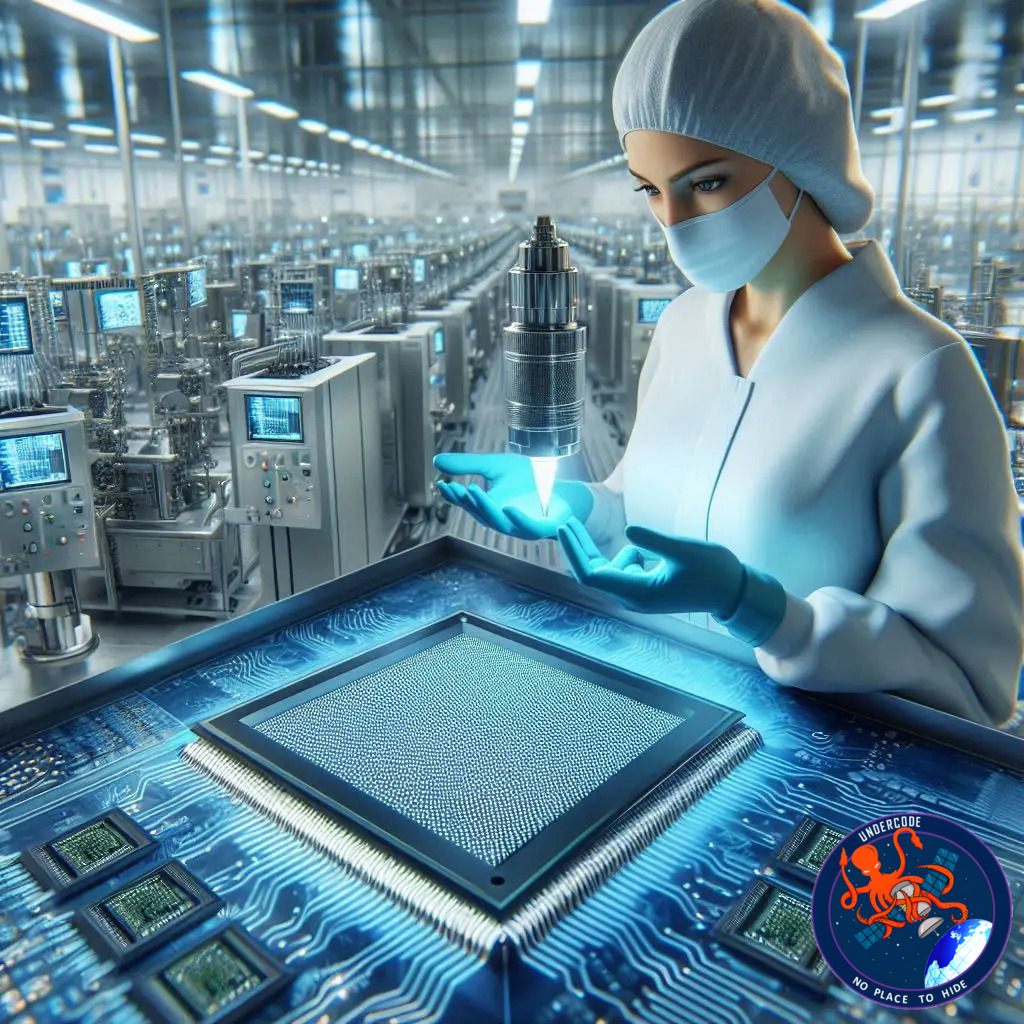
Apple and Intel are set to forge a groundbreaking collaboration in 2027, but not in the way history might suggest. Once bitter rivals in the PC and Mac processor wars, the two tech giants are now poised to reunite—with Intel taking on the role of manufacturer for Apple’s entry-level M-series chips rather than designing them. This move signals not only a strategic shift in supply chain dynamics but also a symbolic turning point in the tech industry.
Apple’s Strategic Move Toward Localized Manufacturing
According to supply chain analyst Ming-Chi Kuo and Bloomberg reports, Intel could begin shipping Apple’s lower-end M-series processors by the second or third quarter of 2027. Using its cutting-edge 18AP manufacturing process, Intel would produce chips destined for MacBook Air, iPad Air, and iPad Pro models, with anticipated shipments of 15–20 million units.
For Apple, the decision offers multiple advantages. It bolsters the company’s commitment to “buying American” and aligns with the U.S. government’s Made in USA policies, reflecting increasing pressure on global companies to localize production. Beyond political optics, the deal diversifies Apple’s supply chain, reducing dependence on Taiwan-based TSMC, which currently manufactures all of Apple’s higher-end M-series chips and iPhone processors.
Intel Gains a Strategic Lifeline
For Intel, this partnership represents a potential turning point. While direct revenue from the orders may be modest, the strategic significance is far greater. Securing Apple’s advanced-node orders positions Intel to attract other top-tier clients for its 14A node and future manufacturing processes. After years of market share losses to AMD and struggles in the AI chip market, this could mark the beginning of a resurgence in Intel’s foundry business.
Unlike their prior collaboration, which saw Intel designing x86 processors for Macs, this renewed partnership places Intel solely in the manufacturing role for Apple’s Arm-based designs. Apple has already signed a non-disclosure agreement and received preliminary development kits, with final specifications expected in early 2026. The irony is striking: Intel, once the dominant force behind Mac computing, returns not as a designer but as a manufacturing partner for the very processors that replaced its own designs.
What Undercode Say: Strategic Implications and Industry Analysis
The renewed Apple-Intel collaboration is emblematic of larger shifts in the semiconductor and tech industries. Apple’s decision to outsource the manufacturing of its entry-level M-series chips to Intel reflects a strategic prioritization of supply chain resilience over complete vertical integration. This move is likely motivated by multiple factors: geopolitical pressures, economic considerations, and risk mitigation against over-reliance on a single foundry.
From a geopolitical perspective, Apple’s alignment with U.S.-based Intel resonates with government initiatives to promote domestic manufacturing. By demonstrating compliance with Made in USA policies, Apple may gain leverage in political negotiations and incentives, while also enhancing its brand image among American consumers increasingly conscious of supply chain ethics.
Economically, diversifying manufacturing partners reduces dependency on TSMC, which is subject to regional risks such as natural disasters, labor strikes, and geopolitical tensions surrounding Taiwan. Spreading production across multiple sites ensures continuity in the global supply chain, especially for lower-margin yet high-volume devices like the MacBook Air and iPad series.
For Intel, the partnership serves as a validation of its foundry capabilities, particularly in advanced-node production. The symbolic weight of producing chips for Apple far outweighs the immediate financial benefits, positioning Intel as a credible competitor to TSMC and Samsung in high-end manufacturing. This could catalyze further partnerships with other premium clients, potentially reshaping the global semiconductor landscape and restoring Intel’s relevance in the post-x86 era.
Technologically, this collaboration highlights the shift in industry architecture from traditional x86 dominance to Arm-based designs. Apple’s M-series chips have consistently outperformed many x86-based counterparts in energy efficiency and performance. By leveraging Intel’s manufacturing expertise, Apple can maintain technological leadership while mitigating production risks—a model that could influence other tech companies to explore similar “design-manufacture split” strategies.
Strategically, this partnership underscores the increasing importance of non-financial metrics in corporate decision-making. Brand alignment, geopolitical compliance, and supply chain resilience are now as critical as raw revenue figures. Apple’s move may signal a broader industry trend where technology giants seek stability and predictability in supply chains as much as cutting-edge performance.
Intel’s resurgence through this deal also highlights the evolving nature of semiconductor competition. For decades, design and manufacturing were tightly coupled; today, specialization and collaboration are becoming essential. Intel’s ability to capitalize on Apple’s demand could redefine its role in the industry, shifting from a design-centric model to a hybrid manufacturing powerhouse capable of competing with TSMC and Samsung for premium clients.
This partnership may also influence investor perception. Intel’s stock and credibility could benefit from association with Apple, potentially attracting further investment into its foundry business. Meanwhile, Apple’s operational model may inspire competitors to similarly diversify production, fostering a more resilient global chip ecosystem.
In summary, Apple’s renewed engagement with Intel is more than a business transaction—it’s a strategic maneuver with far-reaching implications. By localizing production, diversifying manufacturing partners, and leveraging Intel’s foundry expertise, Apple strengthens its supply chain while maintaining technological superiority. Intel, in turn, gains validation, potential market expansion, and a path toward long-term industry relevance. This collaboration exemplifies the new logic of tech partnerships, where flexibility, resilience, and strategic optics increasingly drive corporate decisions.
Fact Checker Results
✅ Apple plans to resume working with Intel in 2027.
✅ Intel will manufacture entry-level M-series chips, not design them.
❌ Intel is not resuming x86 Mac processor design.
Prediction 📊
Apple’s move may trigger a wave of similar partnerships, encouraging other tech giants to localize production while diversifying foundries. Intel could secure further premium orders, potentially reclaiming a competitive edge against TSMC. By 2030, this model may become standard in the semiconductor industry, blending U.S.-based manufacturing with global design innovation.
🕵️📝✔️Let’s dive deep and fact‑check.
References:
Reported By: timesofindia.indiatimes.com
Extra Source Hub (Possible Sources for article):
https://www.quora.com/topic/Technology
Wikipedia
OpenAi & Undercode AI
Image Source:
Unsplash
Undercode AI DI v2
Bing
🔐JOIN OUR CYBER WORLD [ CVE News • HackMonitor • UndercodeNews ]
📢 Follow UndercodeNews & Stay Tuned:
𝕏 formerly Twitter 🐦 | @ Threads | 🔗 Linkedin | 🦋BlueSky | 🐘Mastodon


