
Listen to this Post
Introduction
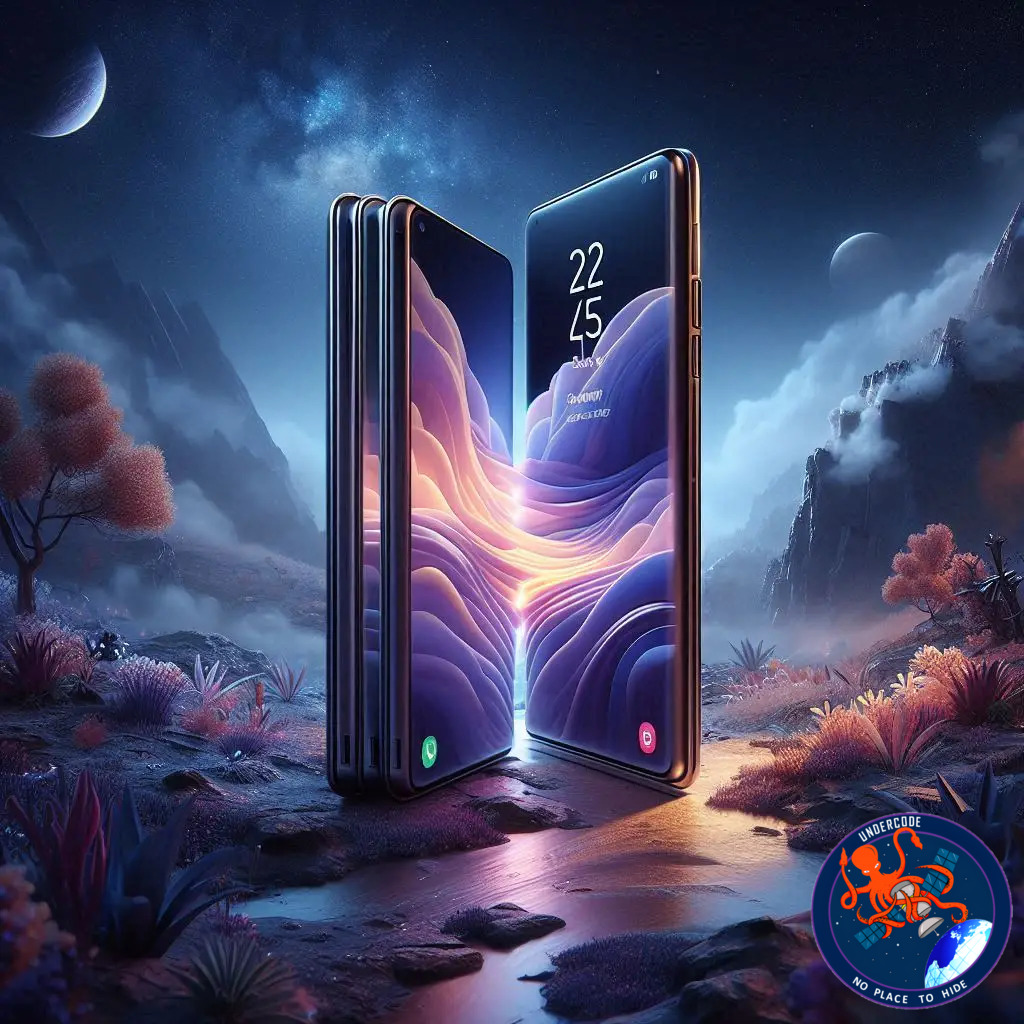
Samsung has crossed a threshold that many thought was still years away. The Galaxy Z TriFold is no longer a futuristic concept—it is a fully realized device built to replace tablets, external monitors, and even lightweight laptops. This tri-folding phone doesn’t just bend; it reshapes how mobile users think about productivity. With a massive 10-inch internal display, native DeX support on the device itself, and a refined One UI 8.0 experience running on top of Android 16’s Desktop Mode, Samsung is signaling something bigger: the smartphone is evolving into a primary workstation.
Massive Productivity Shift With The Galaxy Z TriFold
Samsung’s first tri-folding smartphone arrives wrapped in Cyber Week excitement alongside deals on the Galaxy Watch8 Classic, Galaxy Z Fold 7, and Galaxy S25 Ultra. Yet the TriFold steals the spotlight because of one defining promise—pure productivity without compromise. Its key breakthrough is simple but revolutionary: it no longer needs an external display to boot up Samsung DeX.
For years, Samsung’s DeX required a wired or wireless connection to a monitor or TV when used on phones. Only Galaxy tablets were granted the luxury of running DeX directly on their own screens. But the Galaxy Z TriFold changes that narrative entirely. With its 10-inch foldable display, it crosses the threshold from smartphone to tablet-class workspace, granting users a true desktop-like environment straight from their pocket.
A Bigger Screen With Bigger Ambition
Samsung intentionally built the TriFold to leverage every pixel of its massive display. The 10-inch panel offers more space than any previous Galaxy phone, creating a natural canvas for multitasking, app stacking, and workspace juggling. This shift reflects Samsung’s broader strategy to merge mobile portability with workstation capability—no dock, no cables, no external hardware required.
Powered by One UI 8.0 and Android 16’s Desktop Mode
Under the hood, Samsung rebuilt DeX on top of Android 16’s new Desktop Mode, unlocking power and flexibility that previous versions could never fully deliver. The result is the most advanced version of DeX ever shipped.
Four Virtual Desktops for Serious Workflows
Users can now navigate up to four separate desktops, each capable of running up to five apps simultaneously. Workspaces can be split across tasks—emails and documents on one, communication apps on another, media editing on the third, and personal tools on the fourth. It mimics the workflow of a full PC, but in a device you can fold into your pocket.
Widgets, Taskbar Pins, and Window Freedom
The latest DeX update adds customizable widgets, resize-friendly windows, and a taskbar that lets users pin their favorite apps for quick access. From quick snapping to smooth resizing, the experience feels more fluid and tailored than any previous generation.
Advanced Display Controls
Users get display rotation, on-screen keyboard customization, and other refinements that make the TriFold feel like a hybrid between a tablet, a PC, and a smartphone.
A Look Behind the ’s Source
The original report was authored by Asif, a computer engineer-turned-technology journalist who has used Samsung devices for over two decades. His insights stem from years of hands-on experience with Galaxy hardware, making his coverage especially grounded and reliable.
What Undercode Say:
Samsung’s Galaxy Z TriFold is more than a form-factor experiment—it is a signal of strategic direction. Over the last decade, smartphones have grown more powerful, but their productivity potential remained bottlenecked by the limits of handheld screen sizes and traditional UI design. The TriFold eliminates those limitations in one move.
From a market perspective, this device disrupts three major segments simultaneously:
Mobile Computing:
The TriFold shifts the conversation beyond basic foldables. It becomes a modular workstation that adapts to the user’s environment, functioning as a phone when closed, a tablet when expanded, and a desktop interface when DeX is activated. This positions Samsung as a pioneer in post-smartphone computing.
Laptop Replacement Trend:
Samsung is not just competing with phones—it’s targeting ultrabooks. Four virtual desktops, five apps per workspace, and tablet-class screen size are capabilities typically found in lightweight laptops. With cloud apps and streaming services growing, many users may find the TriFold sufficient for work travel.
Software Evolution:
One UI 8.0 on Android 16’s Desktop Mode is the real backbone here. For years, DeX was functional but limited by Android’s mobile-first architecture. Now that Android itself supports desktop environments, Samsung can build truly PC-like experiences without hacks or workarounds.
User Experience Impact:
The TriFold’s flexibility allows creators, students, professionals, and hybrid workers to switch contexts faster than any previous Samsung device. The ability to toggle between four desktops mirrors Windows and macOS workflows, reducing the cognitive load of juggling tasks on a small screen.
Ecosystem Positioning:
Samsung’s growing ecosystem—from Galaxy Buds to laptops—benefits from a powerful productivity hub at the center. The TriFold could become the device that ties the Galaxy ecosystem together, replacing the need to carry multiple gadgets.
Future Implications:
If early adoption succeeds, we can expect tri-folding designs to influence app developers, UI designers, and accessory makers. More apps will adopt desktop-style interfaces, and Samsung will likely double down on devices that blur the line between phones and PCs.
Fact Checker Results:
Samsung DeX on-phone support is accurate and confirmed. ✅
Four-workspace multitasking is based on Android 16’s Desktop Mode features. ✅
Claims of laptop replacement potential remain speculative. ❌
Prediction
The Galaxy Z TriFold is likely to reshape Samsung’s premium device roadmap. 📱
Expect future Galaxy foldables to adopt native desktop modes as standard. 🔮
This device may trigger a new wave of tri-fold competitors from Chinese manufacturers. 🚀
🕵️📝✔️Let’s dive deep and fact‑check.
References:
Reported By: www.sammobile.com
Extra Source Hub (Possible Sources for article):
https://www.twitter.com
Wikipedia
OpenAi & Undercode AI
Image Source:
Unsplash
Undercode AI DI v2
Bing
🔐JOIN OUR CYBER WORLD [ CVE News • HackMonitor • UndercodeNews ]
📢 Follow UndercodeNews & Stay Tuned:
𝕏 formerly Twitter 🐦 | @ Threads | 🔗 Linkedin | 🦋BlueSky | 🐘Mastodon


