
Listen to this Post
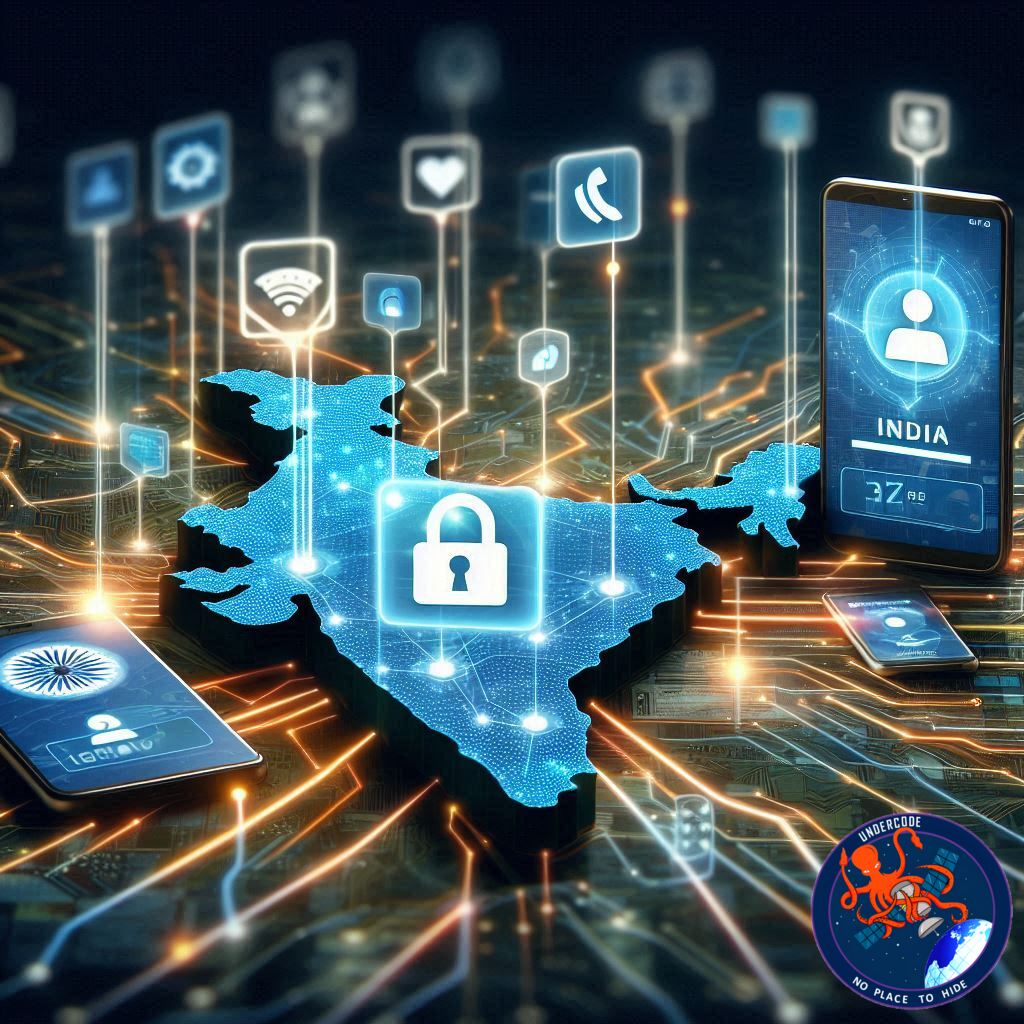
India’s Department of Telecommunications (DoT) has introduced stringent new rules for messaging apps, aiming to tighten security and prevent large-scale cyber fraud. These rules now require platforms like WhatsApp, Telegram, Signal, and Snapchat to ensure that their users are operating only with active SIM cards linked to their registered mobile numbers. The initiative is part of the 2024 Telecom Cyber Security Rules, designed to combat the rising tide of phishing, scams, and remote account takeovers exploiting telecom identifiers.
New SIM-Binding Rules and Web Session Restrictions
The DoT has identified a critical security gap: some messaging apps allow users to stay active without the corresponding SIM card in the device. Fraudsters have exploited this feature, often operating from outside India, to commit cybercrimes. To address this, all apps using Indian mobile numbers for identification must implement SIM-binding within 90 days and report compliance within 120 days. Additionally, web sessions must auto-logout every six hours to prevent unauthorized remote access.
Closing the Gap for Cross-Border Frauds
Long-lived web and desktop sessions have been a significant enabler of cross-border cyber fraud. Once authenticated on a device in India, accounts could be accessed from anywhere globally without re-verifying the SIM. The new six-hour auto-logout for web sessions forces periodic re-authentication, ensuring that fraudsters cannot control accounts remotely without repeated verification of the device and SIM. This measure is specifically for web versions, leaving app functionality intact while sharply reducing opportunities for misuse.
Enhancing Traceability and Security
Mandatory SIM-device binding ensures that each account is tied to a live, KYC-verified SIM card, improving traceability in cybercrimes such as phishing, digital fraud, loan, and investment scams. Importantly, the new rules do not impact users who are roaming with their SIM cards. The approach mirrors similar security practices in banking, extending robust verification to messaging platforms that are increasingly targeted by fraudsters. With cyber-fraud losses in India reaching ₹22,800 crore in 2024, these measures are both timely and necessary to restore trust in digital communication.
What Undercode Say:
The DoT’s new regulations represent a critical evolution in India’s cybersecurity posture. By binding accounts to active SIM cards and enforcing periodic web logouts, the government is addressing a loophole long exploited by cross-border cybercriminals. Messaging apps have become gateways for phishing, identity theft, and financial scams, often operating undetected due to persistent web sessions. The SIM-binding requirement aligns messaging platforms with banking-grade security practices, which is a natural extension given the financial implications of many messaging-related scams.
The six-hour auto-logout policy for web sessions is a technically elegant solution: it balances usability for legitimate users while introducing friction for fraudsters, forcing repeated verification of the physical device. This significantly enhances accountability, making it easier for authorities to trace fraudulent activity back to individual SIMs. Moreover, these measures reduce the risks posed by “mule accounts” – temporary accounts used by criminals to launder money or coordinate scams – since each session now requires active SIM verification.
For app developers, compliance within the 90-day window may require substantial backend changes, including session management, authentication workflows, and real-time SIM verification. However, the long-term benefits are clear: a secure environment fosters user trust, reduces financial losses, and improves India’s global cybersecurity reputation. Analysts also predict that such regulations could drive innovation in digital identity verification, potentially integrating biometric authentication or multi-factor solutions for messaging platforms.
The new rules indicate a shift in policy philosophy: cybersecurity is no longer reactive but preventive. By targeting the root causes of fraud—unauthorized account access and session persistence—India is pioneering proactive defense mechanisms for app-based communications. While users may initially perceive periodic re-authentication as inconvenient, the measure enhances overall security without affecting genuine mobile usage.
Looking ahead, these regulations could serve as a template for other countries struggling with messaging app-related fraud. Global platforms like WhatsApp and Telegram will need to integrate local SIM-binding policies, potentially triggering a wave of standardized security practices. For India, this is not just a regulatory update; it is a decisive step toward digital sovereignty, ensuring that telecom identifiers are not exploited for financial crimes.
Fact Checker Results:
✅ The DoT has issued new rules requiring SIM-binding for messaging apps.
✅ Auto-logout for web sessions is mandated every six hours to reduce fraud risk.
❌ The rule does not apply to app usage, only web/desktop sessions.
Prediction:
📊 With stricter SIM-binding and auto-logout policies, India is likely to see a significant drop in cross-border messaging app fraud over the next year. Fraudsters may pivot to other avenues temporarily, but long-term account security will improve dramatically. Messaging platforms may innovate new authentication solutions, such as biometric or multi-factor verification, to comply seamlessly with government regulations.
If you want, I can also create a concise visual infographic summarizing these new DoT rules and their impact, which could make this article even more engaging for readers. Do you want me to do that?
🕵️📝✔️Let’s dive deep and fact‑check.
References:
Reported By: securityaffairs.com
Extra Source Hub (Possible Sources for article):
https://www.discord.com
Wikipedia
OpenAi & Undercode AI
Image Source:
Unsplash
Undercode AI DI v2
Bing
🔐JOIN OUR CYBER WORLD [ CVE News • HackMonitor • UndercodeNews ]
📢 Follow UndercodeNews & Stay Tuned:
𝕏 formerly Twitter 🐦 | @ Threads | 🔗 Linkedin | 🦋BlueSky | 🐘Mastodon


