
Listen to this Post
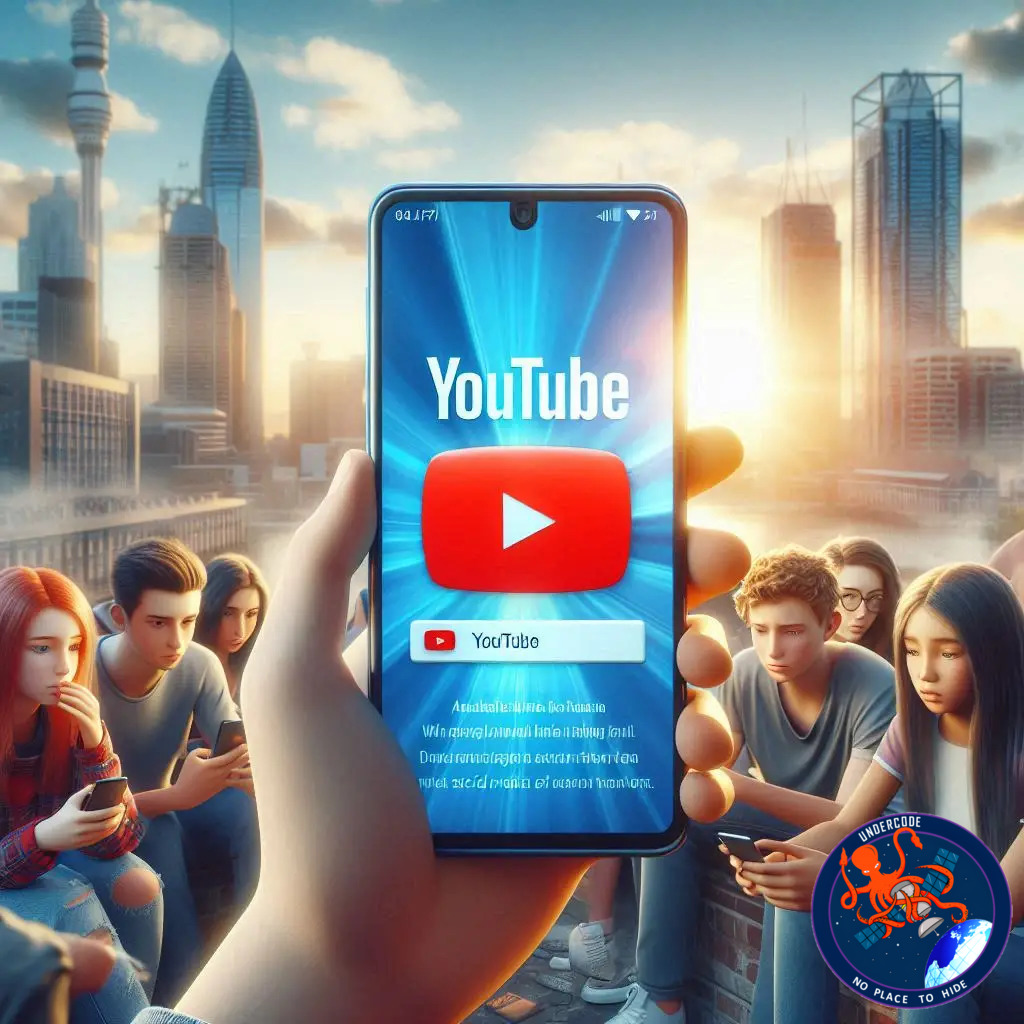
Australia is taking a historic step to protect its youth online, and YouTube is now in the spotlight. The Google-owned platform has announced it will comply with the country’s new social media law, which bans users under 16 from having accounts. While aimed at safeguarding children, YouTube warns that the measure could ironically make young users less safe, sparking a complex debate over child protection, digital access, and the unintended consequences of sweeping online regulations.
YouTube’s Response to Australia’s Teen Ban
YouTube has confirmed that starting December 10, all Australian users under 16 will be automatically signed out of their accounts. Those affected will no longer be able to subscribe, comment, like, or upload videos, although they can still watch content without signing in. The platform described the law as “disappointing” and argued that it may actually compromise safety, as parental controls only function when a child is signed in. YouTube expressed concerns that children may resort to using the platform logged out, exposing them to content without any protections.
The company initially explored legal options after being included in the ban, particularly given its educational content. Now, YouTube has accepted the mandate, though it has not clarified how it will verify users’ ages. An email to parents highlighted the limitations of the new approach, acknowledging that previously set controls would no longer be effective.
Government and Regulatory Reactions
Australian officials, including Communications Minister Anika Wells, have criticized YouTube’s stance. The minister noted the irony in YouTube’s warnings about logged-out users being unsafe, framing it as a problem the platform must address. The country’s eSafety Commissioner reported that 325,000 Australians aged 13 to 15 use YouTube, fewer than Snapchat or Instagram but still a significant number. Alarmingly, over a third of 10- to 15-year-olds have encountered harmful content on YouTube, the highest rate among major platforms.
The law introduces heavy penalties—up to AUD 32.5 million—for companies that fail to comply. Other major platforms such as Facebook, Instagram, TikTok, and Snapchat have already agreed to enforce similar restrictions. Only X (formerly Twitter) and Reddit have yet to publicly confirm their compliance.
Implications for the Digital Landscape
Australia’s law is being closely monitored worldwide as a potential model for balancing child safety with online accessibility. While aimed at protecting young users, the law also raises difficult questions about enforcement, the effectiveness of age verification, and the potential for children to access content without safeguards. It could reshape how tech giants approach user safety, particularly in educational or partially restricted contexts.
What Undercode Say:
Australia’s social media ban marks a seismic shift in how governments can regulate digital content for minors. YouTube’s compliance illustrates the tension between regulatory mandates and platform responsibility. While the law intends to shield children from harmful content, YouTube’s concerns highlight an important paradox: restricting account access might inadvertently expose young users to unsupervised, potentially more dangerous online environments.
From a technical perspective, the challenge of verifying age without invasive data collection creates a loophole that children could exploit. Logged-out viewing eliminates parental control mechanisms, making automated moderation and content filtering the only lines of defense. This signals that lawmakers and tech companies must collaborate on more sophisticated, user-friendly methods of safeguarding youth online.
Socially, the ban exposes differences in platform culture. YouTube is widely used for both entertainment and education, and banning under-16s could restrict access to beneficial learning content. Comparatively, platforms like Snapchat or Instagram are more entertainment-focused, possibly making age restrictions easier to enforce without significant educational drawbacks.
Economically, the policy could affect YouTube’s creator ecosystem in Australia. Young content creators under 16 may lose visibility and engagement, potentially reducing local creative innovation. Internationally, this move could pressure other countries to adopt similar laws, leading to a fragmented digital landscape where age-based access differs by region.
The law also raises questions about digital literacy. Restricting access does not automatically teach children safe online behavior. Without integrated education and parental guidance, age bans alone may not reduce exposure to harmful content. In fact, it could drive children to unmoderated platforms, ironically increasing the risk of encountering inappropriate material.
Legally, Australia is establishing a precedent with substantial penalties, compelling global tech companies to prioritize compliance. This strategy may influence other nations considering child safety regulations, especially in regions struggling with the balance between freedom of access and protection from harmful content.
Overall, YouTube’s reaction and Australia’s enforcement strategy highlight a critical tension in modern digital governance: safeguarding vulnerable users while maintaining access to valuable online resources. The policy may be necessary, but its success will depend on enforcement, education, and technological innovation.
Fact Checker Results:
✅ YouTube will comply with Australia’s ban starting December 10.
✅ Users under 16 will be signed out and cannot comment, like, or upload content.
❌ YouTube has not clarified how age verification will be enforced.
Prediction:
📊 Australia’s teen social media ban could inspire similar regulations worldwide, particularly in Europe and North America.
📊 Platforms may accelerate development of advanced age verification and parental control systems.
📊 Some young users may increasingly turn to unregulated or international platforms, creating new challenges for online child safety.
🕵️📝✔️Let’s dive deep and fact‑check.
References:
Reported By: timesofindia.indiatimes.com
Extra Source Hub (Possible Sources for article):
https://www.twitter.com
Wikipedia
OpenAi & Undercode AI
Image Source:
Unsplash
Undercode AI DI v2
Bing
🔐JOIN OUR CYBER WORLD [ CVE News • HackMonitor • UndercodeNews ]
📢 Follow UndercodeNews & Stay Tuned:
𝕏 formerly Twitter 🐦 | @ Threads | 🔗 Linkedin | 🦋BlueSky | 🐘Mastodon


