
Listen to this Post
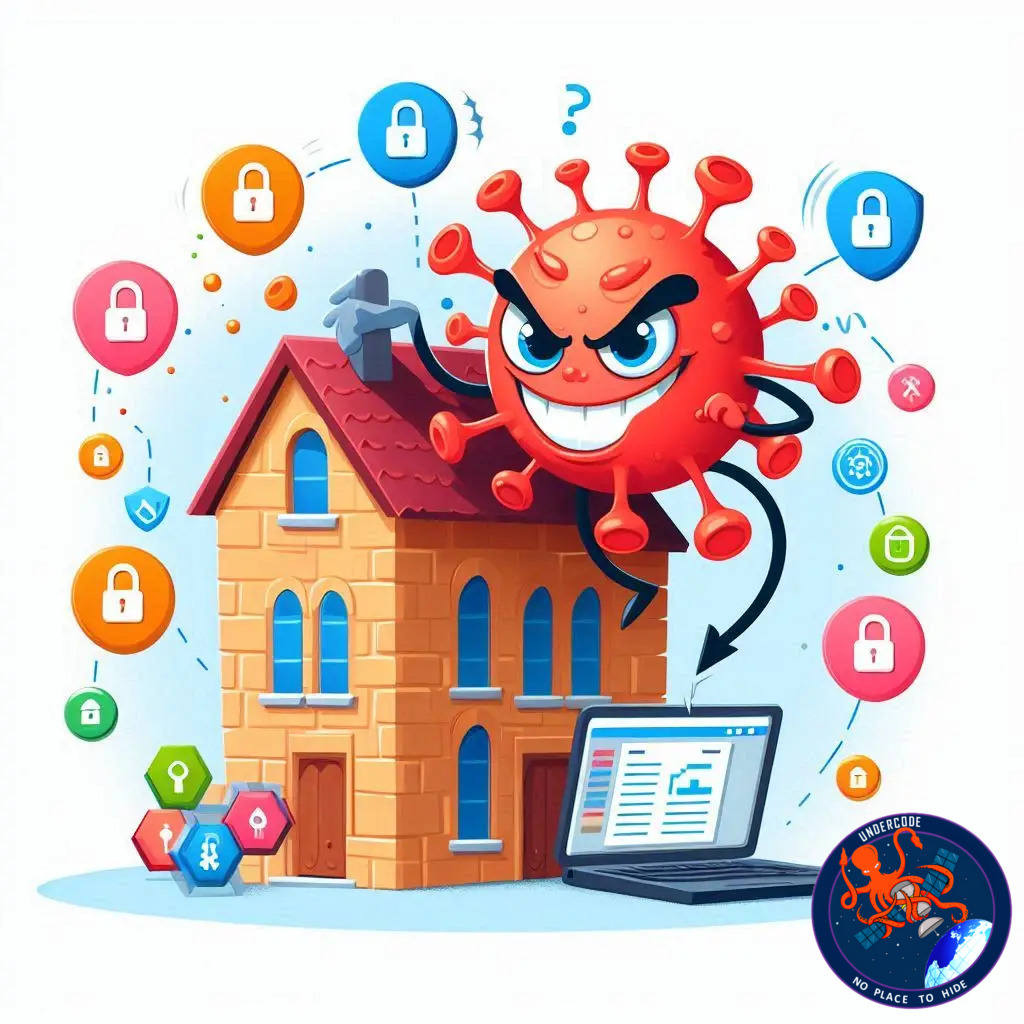
In a chilling development in the world of cybersecurity, the notorious Akira ransomware group has reportedly struck again. This time, their target is Building Controls and Services, highlighting once more how organizations across industries remain vulnerable to sophisticated cyberattacks. As ransomware continues to evolve, the threat landscape becomes increasingly complex, forcing companies to rethink their digital defenses.
Akira Ransomware Hits Building Controls and Services
On December 3, 2025, at 15:12:37 UTC+3, Building Controls and Services was reportedly added to the list of victims by the Akira ransomware group. This activity was detected and documented by the ThreatMon Threat Intelligence Team, which specializes in tracking dark web ransomware activity. The Akira group, known for targeting critical infrastructure and service providers, appears to have exploited vulnerabilities to gain access to sensitive operational systems.
The ThreatMon End-to-End Threat Intelligence Platform provides actionable IOC (Indicators of Compromise) and C2 (Command and Control) data to assist organizations in mitigating such threats. The platform, available via GitHub
, enables security teams to monitor ransomware campaigns in real time and respond proactively to emerging risks.
The attack on Building Controls and Services raises serious concerns about the security of operational technology networks. As ransomware groups increasingly focus on infrastructure and service providers, the potential impact extends beyond financial loss to include disruption of essential services, safety risks, and reputational damage.
This incident also reflects a broader trend: ransomware groups leveraging the dark web for coordination, advertisement, and data leaks. Their campaigns are meticulously organized, targeting both public and private sector organizations with high-value digital assets.
The Akira ransomware group has established itself as a high-risk actor in the cybersecurity landscape. Analysts report that their attacks often combine data exfiltration with encryption, maximizing leverage over victims to ensure ransom payments. Building Controls and Services, like other victims, faces not just the immediate operational threat, but also the long-term challenge of recovering sensitive information and securing systems against repeat intrusions.
As ransomware attacks evolve, threat intelligence platforms like ThreatMon play a critical role in early detection and mitigation. By providing continuous monitoring, IOC sharing, and C2 insights, these tools help organizations anticipate attacks and implement timely countermeasures.
Organizations are urged to prioritize robust cybersecurity strategies, including regular system audits, employee training, segmented networks, and secure backup practices. The Akira incident underscores the urgency of proactive defenses, particularly for companies managing infrastructure and essential services.
What Undercode Say:
The attack on Building Controls and Services by the Akira ransomware group is emblematic of a growing shift in cybercrime tactics. Unlike traditional ransomware, which often targeted individual systems or small businesses, modern attacks focus on high-value infrastructure, demonstrating both technical sophistication and strategic intent. Akira’s approach combines data theft with operational disruption, increasing leverage over victims and pressuring them for ransom.
From a cybersecurity perspective, the incident highlights gaps in operational technology (OT) security. OT networks, which control critical systems like building management, HVAC, and access controls, are increasingly exposed to ransomware due to legacy systems, inadequate segmentation, and insufficient monitoring. Attackers exploit these weaknesses because OT environments often lack the frequent updates and patches applied in traditional IT networks.
The Akira group’s dark web presence also signals the professionalization of cybercrime. Threat actors now operate with corporate-like structures, marketing stolen data and auctioning access to compromised networks. This trend complicates detection and mitigation efforts, as attacks can be premeditated, coordinated, and monetized across multiple platforms.
Moreover, the incident underlines the importance of real-time threat intelligence. Platforms like ThreatMon provide essential visibility into ransomware campaigns, allowing organizations to respond before attacks escalate. By analyzing IOC and C2 data, security teams can identify attack vectors, understand tactics, and deploy countermeasures proactively.
For Building Controls and Services, recovery will involve more than paying a ransom. The organization must conduct forensic analysis, identify exploited vulnerabilities, and implement long-term security improvements. Lessons from similar attacks suggest that victims who adopt holistic cybersecurity frameworks—integrating IT and OT security, conducting regular audits, and training personnel—are better positioned to mitigate damage and prevent recurrence.
This attack also has broader implications for the sector. As ransomware increasingly targets critical services, regulators may impose stricter cybersecurity standards, requiring organizations to invest in resilience measures. Companies failing to comply may face legal liabilities, reputational damage, or operational shutdowns.
The Akira ransomware case reinforces the reality that cyber threats are no longer hypothetical—they are immediate, persistent, and evolving. Organizations must adopt a proactive, intelligence-driven approach, combining technological safeguards with employee awareness and governance protocols. The future of cybersecurity will depend on collaboration between private entities, threat intelligence platforms, and law enforcement to anticipate, counter, and neutralize sophisticated attacks.
In essence, the Akira attack serves as both a warning and a blueprint for understanding modern ransomware tactics. By studying these incidents, organizations can better prepare for future threats, protect sensitive infrastructure, and limit operational disruption.
Fact Checker Results:
✅ Akira ransomware group activity confirmed by ThreatMon intelligence.
✅ Building Controls and Services reported as targeted victim.
❌ No public evidence yet of ransom payment or data breach extent.
Prediction:
🚨 The Akira ransomware group will likely expand its focus on critical infrastructure in the coming months, targeting additional service providers with high operational value. Companies in sectors like energy, transportation, and facility management should expect heightened threat activity and intensify monitoring and defensive measures immediately.
🕵️📝✔️Let’s dive deep and fact‑check.
References:
Reported By: x.com
Extra Source Hub (Possible Sources for article):
https://www.medium.com
Wikipedia
OpenAi & Undercode AI
Image Source:
Unsplash
Undercode AI DI v2
Bing
🔐JOIN OUR CYBER WORLD [ CVE News • HackMonitor • UndercodeNews ]
📢 Follow UndercodeNews & Stay Tuned:
𝕏 formerly Twitter 🐦 | @ Threads | 🔗 Linkedin | 🦋BlueSky | 🐘Mastodon


