
Listen to this Post
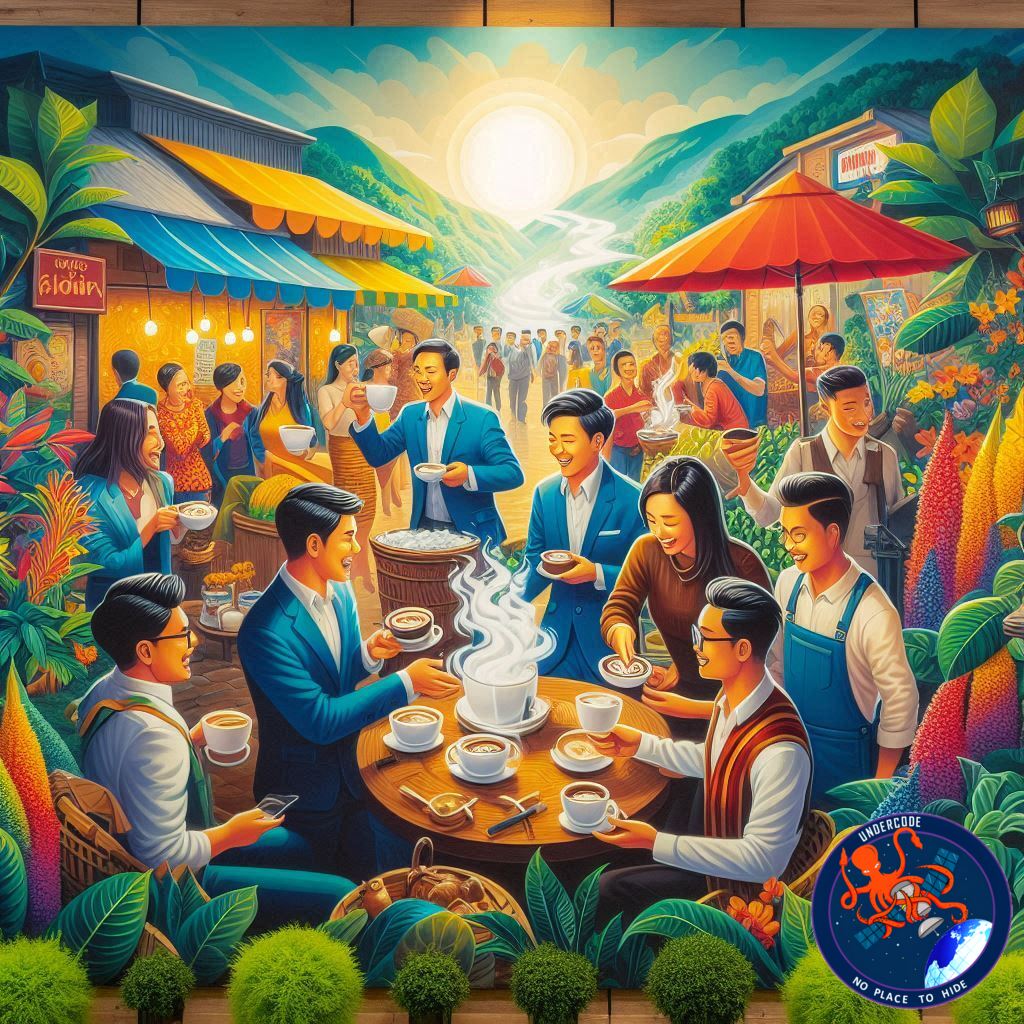
A New Generation Redefines Vietnam’s Coffee Culture
Vietnam’s coffee scene is undergoing a quiet but powerful transformation. What was once a traditional ritual built on black brews and condensed milk has evolved into a cultural movement driven by young entrepreneurs who are challenging expectations, rewriting family norms, and reshaping the nation’s creative identity. In bustling cities like Hanoi and Ho Chi Minh City, coffee is no longer simply a drink. It has become a statement of ambition, artistry, and independence. Behind the polished counters and minimalist interiors are individuals who walked away from lucrative professions to chase a future that blends passion with business. Their stories reveal a deeper shift in Vietnamese society, where creativity is gaining ground and the definition of success is being reimagined.
The Rise Of Vietnam’s Young Coffee Entrepreneurs
Leaving behind a thriving career in finance, 32-year-old Vu Dinh Tu opened his first coffee shop in Hanoi without telling his parents. His bold move sparked tension at home, but it also placed him among a wave of young Vietnamese entrepreneurs who are redefining what it means to build a future. Despite family pressure to remain in investment banking, Tu expanded his café brand Refined to four locations, each buzzing with customers from morning until night. These shops serve robust Vietnamese brews in atmospheres that feel more like craft cocktail bars than traditional cafés.
Shifting Family Expectations In A Changing Vietnam
Vietnam’s middle class has grown rapidly since the early 2000s, bringing with it a set of expectations centered on stable careers such as law, medicine, or corporate work. Many parents still equate success with predictability and prestige. For them, café ownership seems unstable and untraditional. Tu’s parents, like many others, tried to persuade him to keep his secure job, fearing the hardships of entrepreneurship. It was only after witnessing his determination and growth that they slowly accepted his path.
Coffee As A Symbol Of Youthful Creativity
For Vietnam’s younger generation, the café has become a sanctuary of innovation and self-expression. Sarah Grant, an anthropologist with expertise in Vietnamese culture, explains that cafés offer a space where young creatives can gather, collaborate, and challenge norms. Graphic designers, independent musicians, and DIY creators find community within these coffee hubs. Far from being just businesses, these cafés nurture a lifestyle that celebrates creativity over conformity.
A Beverage Deeply Rooted In National Identity
Coffee first arrived in Vietnam during the French colonial period. But it was the shift toward mass production of robusta beans in the 1990s that transformed Vietnam into the world’s second-largest coffee exporter. This legacy gives today’s entrepreneurs a deep sense of pride. They are not only running businesses. They are carrying forward a national story built on resilience, global influence, and cultural richness.
The Cafés Turning Baristas Into Artists
Down a narrow alley in Hanoi, 29-year-old Nguusd Thi Hue operates her minimalist Slow Bar, preparing handcrafted drinks like lychee matcha cold brew. Hue learned to appreciate coffee as a child, inspired by a neighbor who roasted beans at home. To her, making coffee is an act of artistry. Presentation matters just as much as taste. With the rise of selfie-loving Gen Z consumers, aesthetics have become a significant part of the café experience. As Hue notes, no one dresses poorly to visit a café anymore. Style is part of the culture.
A Market Fueled By Youth And Ambition
Vietnam’s coffee industry is valued at 400 million dollars and continues to grow steadily. Thousands of cafés operate both within and outside official registration systems. For many young Vietnamese, opening a café is a common response to dissatisfaction with office life. They save money, rent a space, and launch their own venture, fully prepared to pivot if it fails. The entrepreneurial spirit is strong, and the barrier to entry remains relatively accessible.
Global Coffee Giants Struggling To Compete
Despite Vietnam’s love for coffee, global brands like Starbucks have struggled to capture the market. Local preferences lean heavily toward strong, bold robusta flavors rather than the exclusively arabica blends offered by Western chains. Starbucks’ market share remained low, and in early 2024, the company closed its only specialty store in Ho Chi Minh City.
A New Vision For Coffee Careers
For entrepreneurs like Tu, the mission goes beyond business expansion. He wants to reshape how Vietnamese society views coffee professionals. Baristas, roasters, and café operators, he insists, deserve recognition as serious career paths, not fallback options. As his parents came to accept his journey, Tu hopes the broader culture will follow.
Summary Of The Original
Young Vietnamese Entrepreneurs Transforming Coffee Culture
A growing number of young Vietnamese are abandoning traditional career paths in finance, medicine, and corporate offices to pursue a new kind of future built around coffee. One of them is Vu Dinh Tu, a former investment banker who secretly opened his own café before expanding it into four successful branches. His family initially opposed the idea, believing that café ownership lacked stability and status, but they eventually accepted his determination and success.
The Cultural Importance Of Coffee In Vietnam
Coffee has long been a central part of Vietnamese culture, commonly enjoyed black, with condensed milk, or even mixed with egg. Yet cafés today represent more than just beverages. They symbolize creativity, freedom, and resistance against traditional expectations. Experts say these cafés serve as gathering spaces for designers, musicians, and DIY creators who use them as creative hubs.
Economic Shifts And Social Pressures
Vietnam’s economic growth since the early 2000s sparked a middle-class boom, leading many parents to push their children toward prestigious, stable professions. Entrepreneurship, especially in areas like coffee, remains undervalued in the eyes of older generations. Yet young people view coffee as a platform for self-expression and cultural identity.
A Proud Coffee-Producing Nation
Since switching to large-scale robusta production in the 1990s, Vietnam has become the world’s second-largest coffee exporter. Modern coffee entrepreneurs take pride in this legacy and see their work as part of a national story. Many highlight the uniqueness of Vietnamese robusta and its importance to global markets.
Rise Of The Slow Bar And Artisan Drinks
Young entrepreneurs like Nguusd Thi Hue are embracing artisanal brewing techniques and stylish café experiences. Hue, who grew up around homemade coffee, describes her work as a blend of artistry and craft. With popularity among Gen Z consumers, café aesthetics have become just as important as the drinks themselves.
A Growing And Competitive Market
Vietnam’s coffee shop industry is worth around 400 million dollars and continues to expand. Many see entrepreneurship as an accessible career option. If a café succeeds, they grow. If not, they pivot. Despite the booming market, global brands like Starbucks have struggled. Their arabica-only offerings contrast with local preferences for robusta, leading to low market share and even store closures.
Changing Career Perceptions
Entrepreneurs like Tu aim to promote coffee as a serious profession, hoping the next generation can pursue their passion without fear of judgment. With determination and creativity, young Vietnamese café owners are redefining the future of work and the meaning of success.
What Undercode Say:
The Cultural Shift Behind Vietnam’s Coffee Revolution
Vietnam’s coffee boom is not just an economic trend. It reflects a massive cultural transition. Younger generations are no longer satisfied with conventional definitions of success. They value autonomy, creativity, and emotional fulfillment over predictable corporate careers. This shift suggests a deeper societal evolution shaped by global cultural influences, rising individualism, and rapid urbanization.
Why Coffee Became The Symbol Of A New Identity
Coffee offers something few other industries can. It is affordable to enter, rooted in national pride, and deeply compatible with artistic expression. In modern Vietnam, cafés have become social stages for lifestyle identity. Young people choose cafés that reflect who they are. Minimalist Slow Bars attract design lovers, while more experimental spaces draw musicians and creators. Coffee is no longer a commodity. It is an identity marker.
The Economics Behind The Café Rush
Vietnam’s rapidly growing middle class and dense urban population create an ideal environment for café entrepreneurship. With affordable rent in many areas and strong local supply chains for robusta beans, starting a café is relatively low-risk. The consistent year-over-year growth rate shows that consumer demand is stable, driven by lifestyle rather than necessity.
The Failure Of Global Chains
Starbucks’ struggle in Vietnam highlights an important insight. Cultural fit matters. Western brands often underestimate the strength of local preferences. Vietnam favors bold, caffeinated robusta drinks. Price sensitivity also plays a major role. Local cafés offer premium experiences at lower costs, making Western chains appear overpriced and culturally out of sync.
The Future Workforce In Coffee
If the current trend continues, Vietnam could see a professionalized coffee workforce similar to Japan’s espresso masters or Italy’s barista culture. Entrepreneurs like Tu are setting the foundation for a generation that views coffee not just as a job, but as a career anchored in passion and culture.
Fact Checker Results
Verification Summary
Vietnamese coffee culture is historically rooted in robusta production. ✅
Starbucks holds a small share of the Vietnamese market. ✅
Trend of young entrepreneurs entering the café industry is widely documented. ✅
Prediction
What The Future Holds For Vietnam’s Coffee Industry ☕✨
Vietnam’s café scene will continue expanding as Gen Z and young millennials prioritize creativity and lifestyle-driven spaces. Expectations suggest new Slow Bars, experimental brews, and hybrid creative cafés will dominate urban centers. 📊
Local coffee brands may expand globally, exporting the robusta-centric Vietnamese identity.
With growing societal acceptance, coffee entrepreneurship may become one of Vietnam’s most dynamic and respected career paths in the next decade.
🕵️📝✔️Let’s dive deep and fact‑check.
References:
Reported By: www.legit.ng
Extra Source Hub (Possible Sources for article):
https://www.digitaltrends.com
Wikipedia
OpenAi & Undercode AI
Image Source:
Unsplash
Undercode AI DI v2
Bing
🔐JOIN OUR CYBER WORLD [ CVE News • HackMonitor • UndercodeNews ]
📢 Follow UndercodeNews & Stay Tuned:
𝕏 formerly Twitter 🐦 | @ Threads | 🔗 Linkedin | 🦋BlueSky | 🐘Mastodon


