
Listen to this Post
Introduction
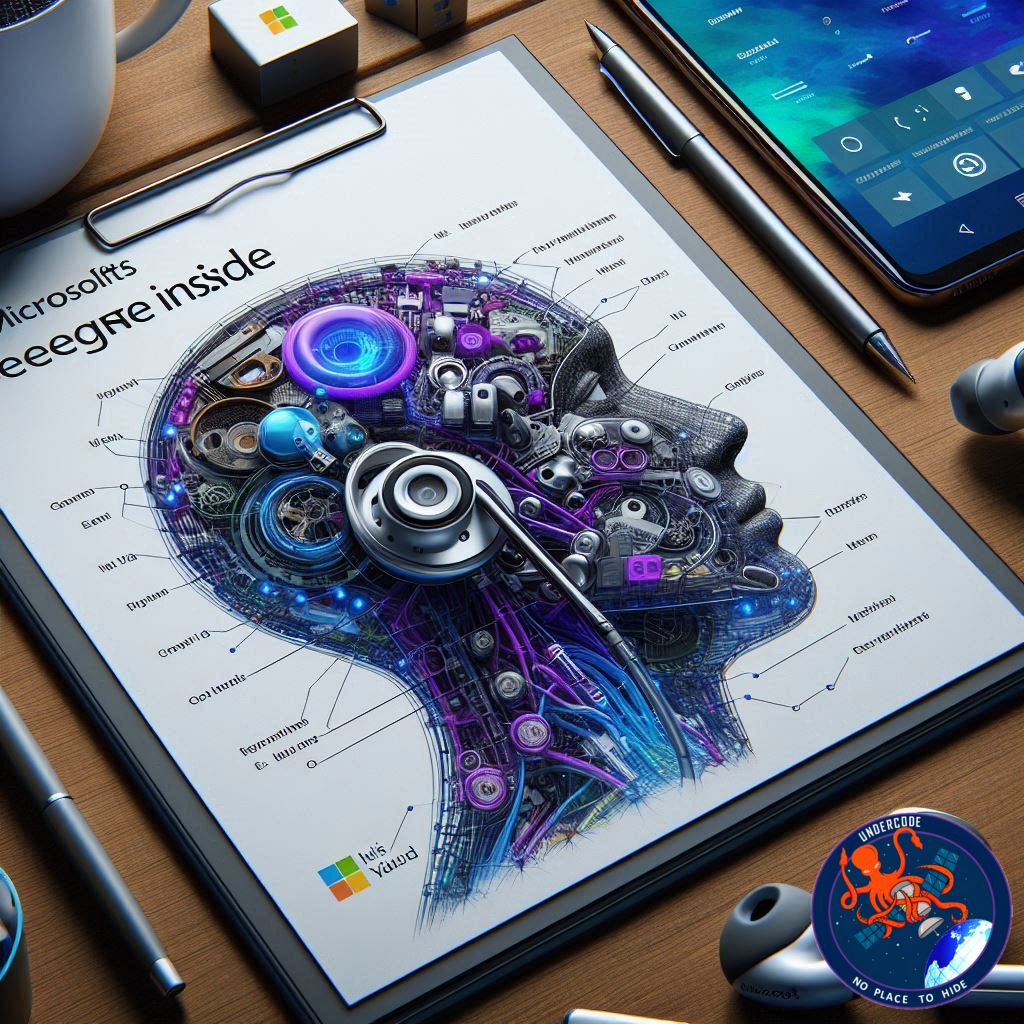
Something unusual is happening inside Microsoft’s hardware labs. The company that once reshaped the PC industry with bold Surface experiments is now quietly filing patents that hint at a different kind of ambition. The latest discovery, a concept titled “IN_EAR AUTHENTICATION,” imagines earbuds that can identify you by the shape of your ear canal, the flow of your blood, and the way sound echoes inside your head. It sounds like science fiction, yet the document is remarkably detailed. It suggests a future where your earbuds are not just accessories, but biometric guards that confirm your identity the moment they slip into place. This new invention is not just another audio product idea. It’s a potential shift in how personal devices authenticate users, personalize experiences, and even communicate with Windows systems in real time.
Summary of the Original
Microsoft has added another intriguing patent to its long list of experimental ideas. This one focuses on a new biometric method called “IN_EAR AUTHENTICATION.” It introduces earbuds capable of verifying the wearer’s identity using biometric markers found inside the ear. Although Microsoft has slowed its hardware innovation in recent years, the company continues to protect groundbreaking concepts, and some past patents have even turned into products such as the Surface Duo.
These proposed earbuds would rely on unique in-ear characteristics including ear shape, pressure patterns, blood flow, and acoustic response. Together, they form a personalized biometric signature. The patent describes these earbuds as devices equipped with pressure sensors arranged in multiple layers, capable of reading the specific way an ear presses against them. By capturing pressure samples, the system builds what Microsoft calls an “in-ear biometric profile.”
Beyond pressure sensing, the earbuds also include heart and blood flow sensors. According to the patent, each user’s blood volume pattern inside the ear canal is unique. By analyzing these variations, the earbuds can generate a blood flow or heartbeat profile to confirm identity. Acoustic response is the third layer. By studying how sound bounces around inside the ear canal, the earbuds can build another marker that distinguishes one user from another.
Once inserted, the earbuds authenticate the user automatically, comparing their biometric markers to stored authorized profiles. If verified, the buds can connect to Windows 11 or other devices immediately, unlocking features or personalizing audio. Microsoft notes that these earbuds could sync with smartphones, wearables, PCs, and servers. However, the patent does not explicitly mention using them for Windows Hello, even though the technology could logically extend to that role.
The innovation far exceeds traditional in-ear detection seen in Apple AirPods or Samsung Galaxy buds. Instead of simply recognizing when they are worn, these earbuds would actively confirm who is wearing them. While the concept is compelling, it remains uncertain whether Microsoft will pursue it. The company is still producing Surface laptops, but its hardware leadership no longer pushes bold new ideas as it once did. Whether Microsoft will revive its experimental spirit and bring this technology to life remains an open question.
What Undercode Say:
A New Frontier for Biometric Security
Microsoft’s patent signals a shift toward biometrics that move beyond fingerprints and face scans. Ear-based authentication is particularly compelling because it is passive. The user does nothing. The earbuds simply verify identity by existing in the right place. This creates a smooth and secure gateway into personal devices, especially PCs and smartphones.
The Ear as a Biometric Landscape
The human ear canal has long been a fascinating biometric tool. Its internal shape is difficult to replicate, hidden from external visibility, and extremely stable throughout a person’s lifetime. By combining ear geometry with blood flow patterns and acoustic reflection, Microsoft is essentially building a multi-layer security system within a single device. This multilayer approach makes it far harder to spoof compared to fingerprints or face scans, both of which have been successfully fooled in controlled settings.
A Potential Leap for Windows Hello
While the patent stops short of confirming Windows Hello integration, the implications are unmistakable. If earbuds can authenticate the user quickly and reliably, they could become an additional method for secure login. Imagine removing your earbuds and instantly losing access to your session or putting them in to unlock your computer. It would create an authentication method that travels with you naturally.
A Natural Extension of Microsoft’s Ecosystem
The idea also aligns perfectly with Microsoft’s broader strategy. Windows is evolving to be more synchronized with personal devices. Adding biometric earbuds blends security, personalization, and seamless device connectivity. The earbuds could auto-tune sound, load personal settings, or even authenticate specific apps.
Hardware Hesitation and Missed Chances
What complicates the situation is Microsoft’s current hardware posture. The company has pulled back significantly on new hardware categories, focusing instead on maintaining existing Surface lines. Innovations once flourished, especially in the earlier Surface days when Microsoft introduced 2-in-1s, detachable screens, and experimental devices. Today, the appetite seems much smaller. Without bold leadership, even groundbreaking concepts like in-ear authentication risk staying trapped in patent archives.
A Sign of Hidden Ambition
Even so, the appearance of this patent suggests Microsoft’s engineers still have ambitious ideas waiting for the right momentum. It reflects a desire to redefine everyday technology. After all, earbuds have become one of the most personal devices people carry. Adding biometric depth transforms them into powerful extensions of identity.
Potential Beyond Convenience
Beyond unlocking devices, this technology could reshape accessibility, healthcare, and personalized computing. Real time monitoring of blood flow and heartbeat could give users wellness insight. Acoustic profiling could improve audio accuracy for people with hearing variance. Pressure sensing could enable new interface interactions.
A Realistic Challenge
Yet the major challenge is commercial viability. To bring this tech to market, Microsoft needs high production confidence, strong leadership, and a clear product strategy. Without those, the idea risks becoming yet another futuristic concept that never reaches consumers.
A Consumer Experience That Feels Alive
If realized, these earbuds could make devices feel alive. Your PC would recognize you by your presence. Your earbuds would respond to your physiology. Your audio experience would follow you with complete personalization.
A Question of Timing, Not Vision
The ideas are intelligent. The technology is realistic. The only uncertainty is Microsoft’s willingness to innovate again. If the company commits, these earbuds could be as impactful as the original Surface launch. If not, they remain fascinating blueprints on paper.
Fact Checker Results
✅ Microsoft did publish a patent describing in-ear authentication methods.
✅ The system includes pressure patterns, blood flow sensing, and acoustic response.
❌ The patent does not confirm Windows Hello integration.
Prediction 📊
Microsoft will revisit personal hardware innovation within the next two to three years, especially as biometric authentication becomes more mainstream. 🎧
If in-ear authentication proves reliable, it could become a new Windows Hello method for premium Surface accessories. 🔐
Consumer earbuds with biometric identity sensing may become a standard feature in the next wave of wearable technology. 🚀
🕵️📝✔️Let’s dive deep and fact‑check.
References:
Reported By: www.windowslatest.com
Extra Source Hub (Possible Sources for article):
https://www.quora.com
Wikipedia
OpenAi & Undercode AI
Image Source:
Unsplash
Undercode AI DI v2
Bing
🔐JOIN OUR CYBER WORLD [ CVE News • HackMonitor • UndercodeNews ]
📢 Follow UndercodeNews & Stay Tuned:
𝕏 formerly Twitter 🐦 | @ Threads | 🔗 Linkedin | 🦋BlueSky | 🐘Mastodon


