
Listen to this Post
Introduction
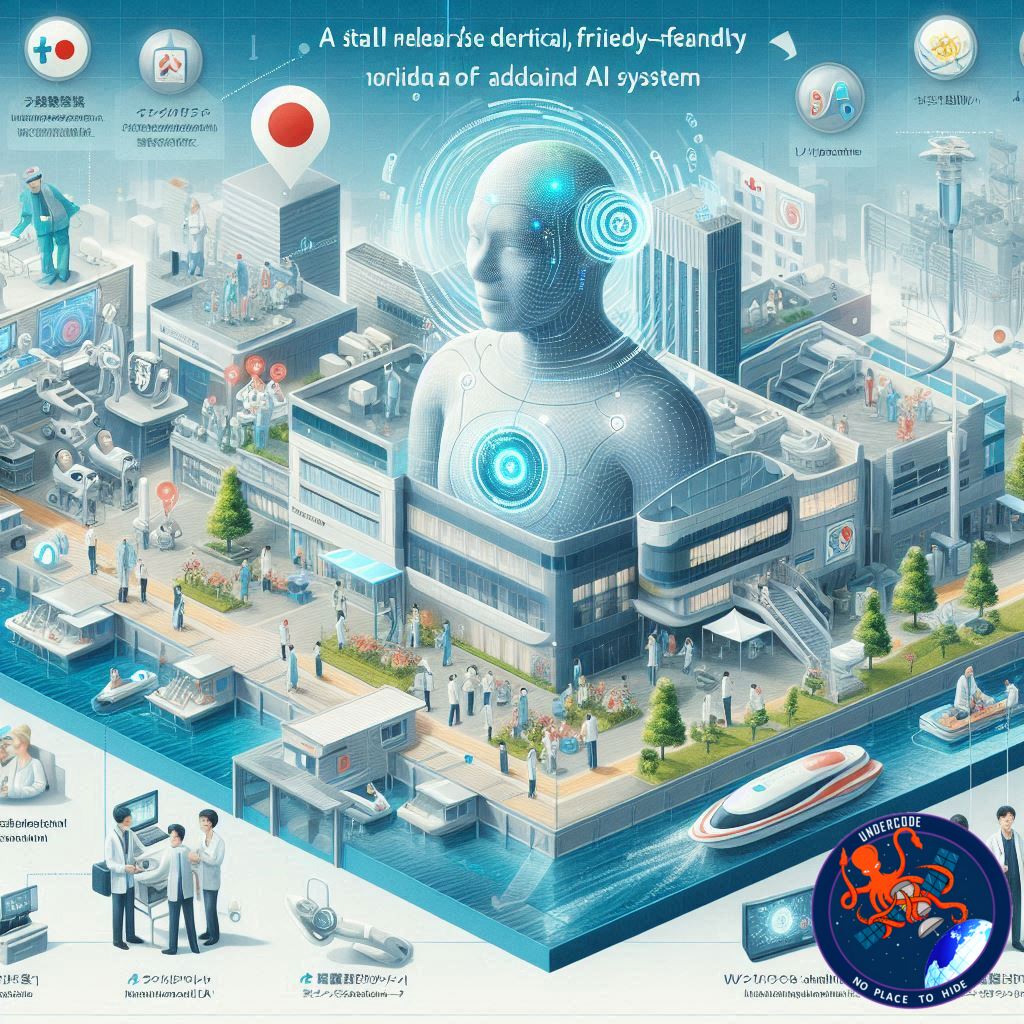
Japan is preparing for a seismic shift in how hospitals operate, how healthcare workers are supported, and how digital tools are woven into everyday clinical routines. The Ministry of Health, Labour and Welfare is now developing a national certification system designed to officially recognize hospitals that actively improve working conditions through technology, especially artificial intelligence. This move arrives at a moment when the medical sector faces chronic labor shortages, rising workloads, and the urgent need for productivity reform. The initiative aims to reward institutions that modernize, automate and create healthier professional environments for their staff.
Policy Pivot Toward Smarter Healthcare Workflows
The ministry plans to introduce a legal framework in 2026 that will formally authorize recognition for hospitals demonstrating sustained, measurable improvements in workflow efficiency. These improvements include AI-driven documentation support and digital tools for clinical monitoring.
AI as a Backbone for Productivity
Hospitals adopting generative AI for documentation, medical summaries and administrative tasks showcase notable gains in operational speed and accuracy. The system is expected to reduce clerical burdens and allow healthcare professionals to allocate more time to patient care.
ICT Devices Supporting Nursing Efficiency
Monitoring sensors, smartphone-based coordination tools and intelligent communication platforms are expected to substantially ease the workload on nursing staff. These technologies allow nurses to manage patient needs in real time without being physically present in every ward at every moment.
Government Preparing Financial Support
Alongside the certification, the government is also considering budget allocations to support hospital investments in AI, sensors, secure data systems and digital training to ensure safe implementation.
Incentivizing a Culture of Modernization
The certification aims to encourage hospitals to proactively adopt innovative solutions rather than reacting passively to workforce strain. Administrators who embrace digital transformation early stand to earn both public recognition and practical operational benefits.
Main Summary (around 30 lines)
Growing Pressure on Japan’s Medical Labor Force
Japan’s healthcare sector faces persistent staff shortages, intensifying the national concern over workload imbalance, burnout and retention difficulties. The government’s new initiative acknowledges these long-standing challenges and proposes a structural solution that blends technology with workplace reform.
A National Certification for Worker-Friendly Hospitals
The Ministry of Health, Labour and Welfare plans to launch an official certification that identifies hospitals committed to creating better working environments. This recognition will go beyond symbolic approval. It will function as an operational benchmark, pushing hospitals to adjust their management approach and adopt modern tools.
AI as a Strategic Tool for Healthcare Reform
Generative AI is central to the proposed improvements. Hospitals using AI for document creation, medical summaries and routine administrative tasks dramatically reduce clerical workloads. This not only improves productivity but also lifts emotional stress from healthcare professionals who often juggle overwhelming paperwork alongside patient care.
Monitoring Technology Enhancing Nursing Workflow
By integrating monitoring sensors, wearable devices and mobile communication systems, hospitals can reduce redundant rounds, respond faster to emergencies and assign resources more efficiently. These devices offer continuous oversight without constant physical presence, easing workloads without compromising safety.
Legislative Effort Planned for 2026
The government is preparing to submit the required bill during the regular 2026 legislative session. If passed, it will establish the legal basis for certification, create clear criteria for evaluation and enable long-term national support for digital transformation in healthcare.
Financial Support Under Evaluation
The ministry is also considering a dedicated budget to help hospitals invest in AI tools, update outdated infrastructure and train staff to operate new systems. This recognizes that technology adoption requires both financial and technical resources that many institutions currently lack.
A Member-Exclusive Japanese Condensed
The original article emphasizes that full details are available only to subscribers, but the central message remains clear. Japan is preparing a future in which hospitals that reduce burdens on their workforce and leverage AI efficiently will be formally recognized as leaders of a healthier and more sustainable healthcare ecosystem.
What Undercode Say:
Digital Transformation as Healthcare’s Turning Point
This policy marks more than a simple endorsement of AI. It signals a national acknowledgment that traditional hospital operations cannot support the demands of modern healthcare. The move toward certification indicates that Japan seeks to standardize and reward innovations that meaningfully lighten staff workload.
Certification as a Behavioral Catalyst
Hospitals often hesitate to adopt new technologies due to cost, risk and unfamiliarity. A national certification lowers these psychological and administrative barriers. Recognition can encourage hesitant institutions to modernize, knowing that their efforts will be validated publicly and potentially financially.
AI Deployment Must Be Ethical and Measurable
For such a system to succeed, AI implementation must be transparent, secure and clinically reliable. Hospitals will need to prove tangible improvements, such as reduced administrative time, lower burnout rates and measurable patient outcome benefits. Certification should challenge institutions to achieve sustainable innovation, not superficial adoption.
Nursing Workload Reduction as a Central Priority
Nurses carry some of the heaviest burdens in healthcare. Technologies that streamline their responsibilities—remote monitoring, intelligent alerts and automated reporting—directly address some of the sector’s most painful bottlenecks. Effective use of ICT tools might become one of the strongest indicators of a worker-friendly hospital.
Long-Term Economic Impact
Productivity gains from AI cannot be underestimated. Hospitals that successfully reduce redundant tasks can redirect resources toward patient care, research and staff training. Over time, this may reduce national healthcare costs, improve retention and create a more stable workforce.
Policy Risks and Oversights
Despite its promise, the initiative risks widening the gap between well-funded urban hospitals and resource-limited rural facilities. To prevent this, government funding must ensure equitable access to AI deployment, training and maintenance. Certification must reflect genuine improvement rather than financial advantage.
A Future Built on Collaboration
The transition to AI-supported hospitals will require cooperation between policymakers, medical institutions, technology providers and healthcare workers. Certification is just the first step. Continuous refinement, ethical oversight and nationwide digital literacy are essential to make the system both effective and fair.
Fact Checker Results
✅ The Ministry of Health, Labour and Welfare is planning a certification system for worker-friendly hospitals.
✅ AI and ICT tools are central elements of the proposed efficiency improvements.
❌ No finalized certification criteria or budget allocation has been publicly confirmed yet.
Prediction
Japan will likely expand this certification into a broader national reform framework. Hospitals that excel in AI adoption may receive prioritized funding, while digital literacy programs for healthcare workers could accelerate nationwide transformation. This system might later evolve into a performance benchmark tied to staffing support, accreditation processes and public reputation metrics.
🕵️📝✔️Let’s dive deep and fact‑check.
References:
Reported By: xtechnikkeicom_a121f5f3ad2e2d5ddc5e1621
Extra Source Hub (Possible Sources for article):
https://www.reddit.com
Wikipedia
OpenAi & Undercode AI
Image Source:
Unsplash
Undercode AI DI v2
Bing
🔐JOIN OUR CYBER WORLD [ CVE News • HackMonitor • UndercodeNews ]
📢 Follow UndercodeNews & Stay Tuned:
𝕏 formerly Twitter 🐦 | @ Threads | 🔗 Linkedin | 🦋BlueSky | 🐘Mastodon


