
Listen to this Post
Introduction
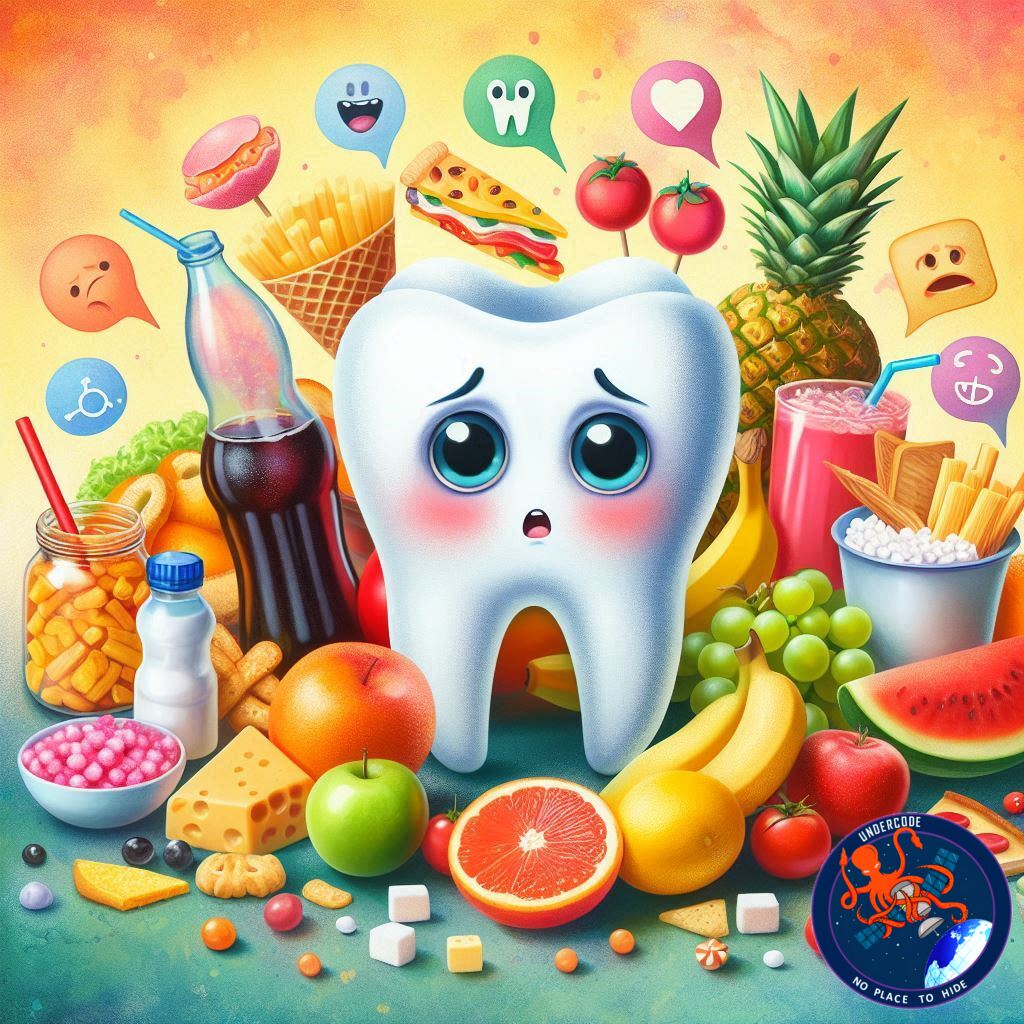
Every day, we enjoy foods and drinks that tantalize our taste buds—zesty lemonades, sweet berry smoothies, or a comforting cup of masala chai. They feel harmless, even healthy, yet each sip or bite may be quietly wearing away a crucial, invisible protector: tooth enamel. This outermost layer, harder than bone and composed of densely packed minerals like calcium and phosphate, shields our teeth from decay, sensitivity, and wear. Unlike bone, enamel contains no living cells, making any damage permanent. In a world increasingly reliant on acidic foods and beverages, enamel erosion has emerged as a growing concern, particularly in countries like India, where dietary habits accelerate the process.
The Protective Power of Enamel
Enamel acts as the first line of defense for your teeth, akin to a superhero shield. Its protective role operates on three essential fronts:
Defense Against Decay: Enamel blocks acids and bacteria from reaching the softer dentin beneath. Once it thins, cavities develop more rapidly.
Guard Against Sensitivity: It insulates dental nerves from hot, cold, or acidic stimuli, allowing enjoyment of food without discomfort.
Protection from Wear: Chewing, grinding, and clenching exert significant pressure on teeth; enamel absorbs much of this stress to prevent structural damage.
Though resilient, enamel is also fragile. Even foods widely regarded as healthy can erode it over time if consumed frequently or without proper precautions.
How Everyday Foods Erode Enamel
Acidic foods—fruits, fruit juices, citrus, and berries—offer nutritional benefits but can slowly erode enamel. Studies across India demonstrate the scale of the problem:
In Lucknow, 34% of adults showed signs of dental erosion, with fruit juice linked to 67% of cases and carbonated drinks to 64%.
In South India, regular lemon consumption increased the likelihood of enamel erosion by over 13 times.
Coastal regions report only 0.6% of adults free from tooth wear, reflecting widespread enamel vulnerability.
Even a young professional in Bengaluru, who swapped her traditional breakfast for a “healthy” mix of yogurt, lemon, berries, and orange juice, experienced sharp dental sensitivity within months. Her dentist confirmed enamel erosion—not due to hygiene—but repeated acid exposure and immediate brushing afterward. This highlights a key point: even nutritious diets can erode enamel if acidic intake is not managed.
Strategies to Preserve Enamel
Protecting enamel doesn’t require avoiding acidic foods entirely; it requires mindful habits:
Time Your Intake: Consume acidic foods and drinks in a single sitting rather than sipping over hours to limit prolonged acid exposure.
Rinse and Wait: Swish water after acidic foods and wait at least 30 minutes before brushing to allow enamel to re-harden.
Strengthen With Fluoride: Fluoride toothpaste can remineralize weak enamel areas.
Balance With Neutralizers: Dairy, nuts, and crunchy vegetables naturally neutralize acids and stimulate saliva for protection.
Regular Dental Checks: Early detection of erosion allows intervention before sensitivity or decay worsens.
With these habits, enamel can maintain its role as a vital, invisible shield for your teeth.
What Undercode Say:
Enamel is both remarkably resilient and alarmingly fragile. Its inability to regenerate makes each interaction with acidic foods a calculated risk. India’s dietary landscape—rich in citrus fruits, fruit juices, and fermented beverages—creates a perfect storm for enamel erosion. The cumulative effect of repeated acid exposure, often exacerbated by immediate brushing, demonstrates a critical knowledge gap: people may assume healthy foods are harmless to teeth.
The statistics reflect an urgent need for public awareness. A significant portion of the adult population already shows enamel wear, yet few actively adopt preventative strategies. What’s particularly concerning is the invisible nature of early erosion. Sensitivity often appears only after substantial enamel loss, making prevention far more effective than treatment.
Dental professionals now emphasize behavioral interventions alongside traditional oral hygiene. The timing of acidic consumption, combined with neutralizing agents like dairy or saliva-stimulating foods, can dramatically reduce enamel wear. Fluoride application strengthens enamel but cannot fully reverse extensive erosion, highlighting the permanent stakes of enamel loss.
Cultural dietary patterns in India further complicate this issue. Frequent citrus, tea, and fermented foods are consumed habitually, often without awareness of their erosive potential. Addressing enamel health thus requires not only individual vigilance but broader public education—integrating dietary guidance with preventive dental care.
Technological innovations, like enamel-strengthening dental products and minimally invasive treatments, offer hope. Yet the human factor—how we consume, when we brush, and what we pair our foods with—remains the most critical determinant of long-term oral health. Understanding the chemical interplay between acids and enamel, and adopting strategies to mitigate damage, can help maintain functional, pain-free teeth for life.
Ultimately, enamel preservation is not about restriction—it’s about informed moderation. Mindful eating, proper oral hygiene timing, and fluoride support can collectively sustain this remarkable, irreplaceable shield. Enamel, though silent and invisible, is the foundation of a confident, healthy smile.
Fact Checker Results:
✅ Enamel is the hardest substance in the human body, harder than bone.
✅ Frequent acidic intake contributes significantly to enamel erosion.
❌ Enamel cannot regenerate naturally once damaged.
Prediction
📊 With rising health-conscious diets and increased fruit juice consumption in urban India, enamel erosion rates are likely to continue increasing over the next decade. Awareness campaigns combined with preventive strategies, such as fluoride application and timing-based dietary habits, could slow progression. Smart consumption and technology-assisted dental care may help reduce severe sensitivity and cavity prevalence, safeguarding smiles for future generations.
🕵️📝✔️Let’s dive deep and fact‑check.
References:
Reported By: timesofindia.indiatimes.com
Extra Source Hub (Possible Sources for article):
https://www.discord.com
Wikipedia
OpenAi & Undercode AI
Image Source:
Unsplash
Undercode AI DI v2
Bing
🔐JOIN OUR CYBER WORLD [ CVE News • HackMonitor • UndercodeNews ]
📢 Follow UndercodeNews & Stay Tuned:
𝕏 formerly Twitter 🐦 | @ Threads | 🔗 Linkedin | 🦋BlueSky | 🐘Mastodon


