
Listen to this Post
Introduction: The Unseen Damage Behind Everyday Flavours
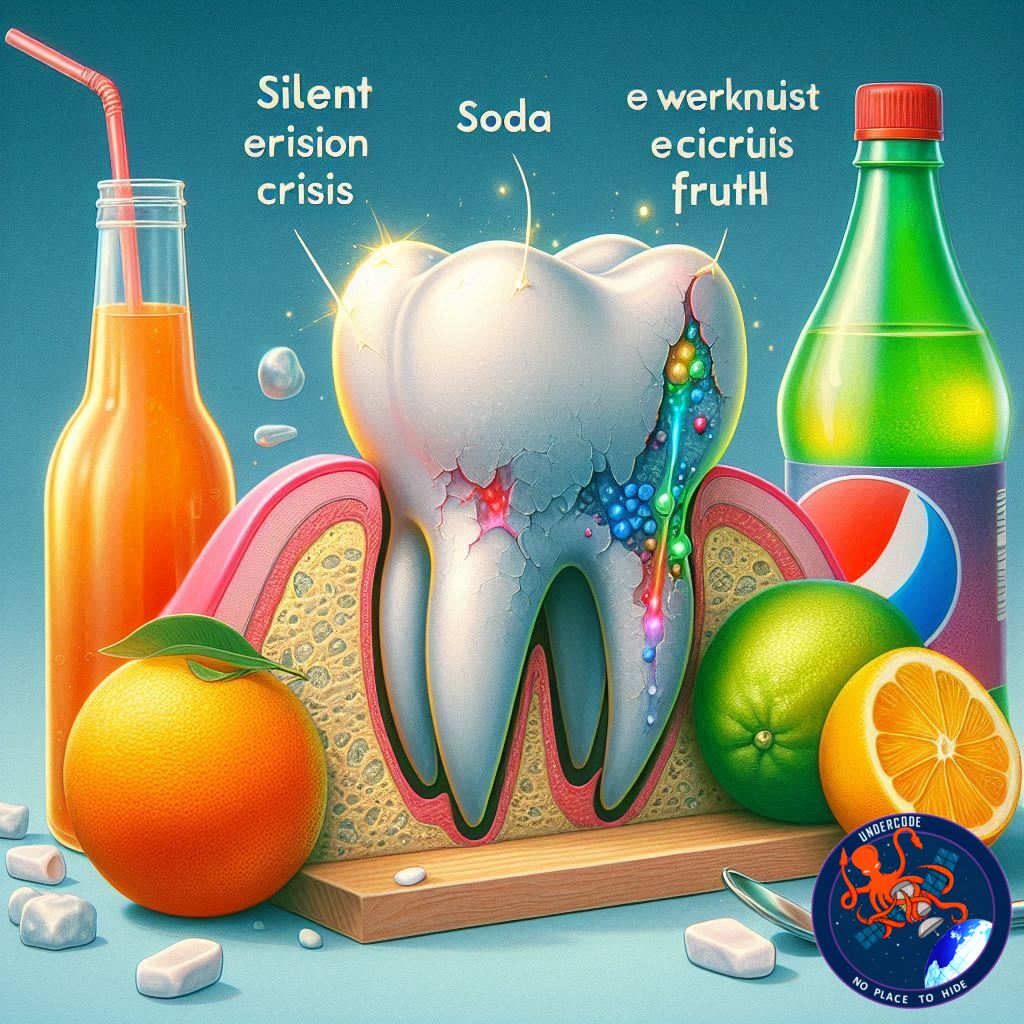
A chilled lemonade by the pool, a bright mango berry smoothie, a comforting cup of masala chai. These rituals feel harmless, even healthy, yet every acidic sip begins a slow chemical negotiation with your teeth. Enamel is the toughest substance in the body, tougher than bone, made of compact minerals that form a protective crown. But it has one devastating weakness. It cannot rebuild itself once it wears away. Across India, where citrus laden diets, fruit juices, and spiced beverages are part of daily culture, enamel erosion is rising at an alarming pace. The danger is not dramatic or immediate. It is silent, cumulative, and often ignored until sensitivity or decay begins to rewrite a person’s routine.
the Original
The Hidden Armor of Teeth
Tooth enamel is introduced as a mineral rich, bone tough shield that covers each tooth. It has no living cells, which means no healing once it erodes. Its importance is highlighted through global and Indian perspectives, where a high percentage of adults are already affected by dental caries linked to enamel wear.
Natural Shielding Functions
Enamel is described as a superhero like barrier. It blocks acids and bacteria, prevents sensitivity by insulating the nerves, and absorbs pressure from chewing or clenching. Yet, this shield is thin and easily worn down, especially by daily acidic foods.
Acidic Foods and Unintended Harm
Many foods seen as healthy, such as citrus fruits, berries, and juices, are highly acidic. Studies from Lucknow and South India show strong associations between acid heavy diets and enamel erosion. Real world examples illustrate how even a seemingly healthy breakfast can trigger sensitivity when acidic ingredients are over consumed.
Lifestyle Patterns Behind Erosion
A Bengaluru professional’s story is shared to show how routine, not poor hygiene, can cause enamel erosion. Brushing right after acidic meals is identified as harmful because enamel softens temporarily after acid exposure.
Methods to Protect Enamel
The article offers practical tactics. It encourages finishing acidic items in one sitting, rinsing with water, waiting before brushing, using fluoride toothpaste, and adding neutralising foods like dairy and crunchy vegetables. Regular dental visits help detect early erosion.
The Irreplaceable Nature of Enamel
The conclusion reinforces the permanence of enamel damage and stresses India’s growing enamel wear problem. Mindful eating and better daily habits are presented as the key route to maintaining strong teeth and a confident smile.
What Undercode Say:
Rising Dietary Acidity in Modern Lifestyles
Urban diets have shifted dramatically. People consume more smoothies, citrus infused snacks, sparkling drinks, and flavoured teas. These changes are framed as health choices, yet they introduce sustained acid exposure that softens enamel repeatedly. This pattern resembles slow corrosion, not sudden decay, which makes it harder for individuals to detect the damage until symptoms intensify.
Biochemical Breakdown Behind Erosion
Enamel erosion is a chemical imbalance. Acids lower the pH in the mouth and dissolve hydroxyapatite crystals that form the enamel surface. When these crystals dissolve faster than saliva can repair them, the protective layer thins. Once this process accelerates, sensitivity becomes an early alarm. Without intervention, dentin exposure and cavities follow.
Cultural Factors Amplifying the Risk
India’s food culture is naturally rich in tangy, spicy, and fermented items. Lemon water mornings, tamarind based curries, and salted fruit mixes add constant acidity throughout the day. Even traditional remedies like drinking hot lemon honey water amplify enamel vulnerability when consumed frequently.
The Misleading Health Halo
People often trust fruit based beverages and citrus infused snacks as inherently good. This health halo hides the biochemical truth that acidity, not sugar alone, is responsible for much of the enamel thinning recorded in large population studies. Smoothies with lemon or orange juice appear wholesome, yet their erosive potential is significantly higher than expected.
Behavioral Traps That Accelerate Damage
Sipping acidic drinks slowly, brushing immediately after citrus, and combining acidic foods in one meal all escalate erosion. These habits soften the enamel repeatedly and remove its strongest opportunity to re harden through saliva.
The Socio Dental Divide
Lower dental awareness in many regions means early erosion often goes unnoticed. People tolerate mild sensitivity or momentary discomfort, assuming it is harmless. Dentists, however, see erosion patterns as early indicators of long term dental damage that eventually requires restorative treatments.
Why Prevention Is More Powerful Than Treatment
Once erosion progresses to dentin exposure, only restorative dental procedures can manage discomfort. Preventive care is significantly more effective because enamel, unlike bone, cannot regenerate. Fluoride, saliva stimulation, dietary spacing, and neutralisers can slow erosion dramatically when used consistently.
A Future Defined by Smarter Consumption
The increasing availability of acidic trendy beverages requires individuals to rethink consumption habits. Learning to pair acidic foods with neutralising items, choosing water between drinks, and timing meals strategically can reduce cumulative harm without sacrificing favourite flavors.
🔍 Fact Checker Results
Most acidic foods, including citrus and fruit juices, are scientifically proven to soften enamel. ✅
Enamel cannot regenerate once lost, only remineralise to a limited extent. ✅
Brushing immediately after acidic intake increases enamel wear. ✅
📊 Prediction
Consumer trends suggest that acid heavy beverages will continue to rise in popularity. Education on enamel protection will become more central in urban dental care. People who adopt protective routines early will likely prevent future sensitivity and reduce long term restorative dental costs.
🕵️📝✔️Let’s dive deep and fact‑check.
References:
Reported By: timesofindia.indiatimes.com
Extra Source Hub (Possible Sources for article):
https://www.discord.com
Wikipedia
OpenAi & Undercode AI
Image Source:
Unsplash
Undercode AI DI v2
Bing
🔐JOIN OUR CYBER WORLD [ CVE News • HackMonitor • UndercodeNews ]
📢 Follow UndercodeNews & Stay Tuned:
𝕏 formerly Twitter 🐦 | @ Threads | 🔗 Linkedin | 🦋BlueSky | 🐘Mastodon


