
Listen to this Post
Introduction to an Invisible Daily Threat
Everyday life is filled with small pleasures, tiny rituals that make the hours feel softer. A chilled lemonade at noon, a berry-packed smoothie between meetings, or a comforting cup of masala chai as dusk settles. These moments feel harmless, almost wholesome. Yet each acidic sip delivers a microscopic blow to something we rarely think about, a mineral shield that never grows back once it is damaged. Tooth enamel, harder than bone and dense with calcium and phosphate minerals, guards every crown of every tooth, but unlike bone, it cannot heal. When it erodes, the loss is final. Across India and much of the world, this quiet erosion is becoming an urgent oral-health concern, driven by dietary habits that slowly weaken the enamel’s protective power.
Acid Exposure and the Slow Wearing of Enamel
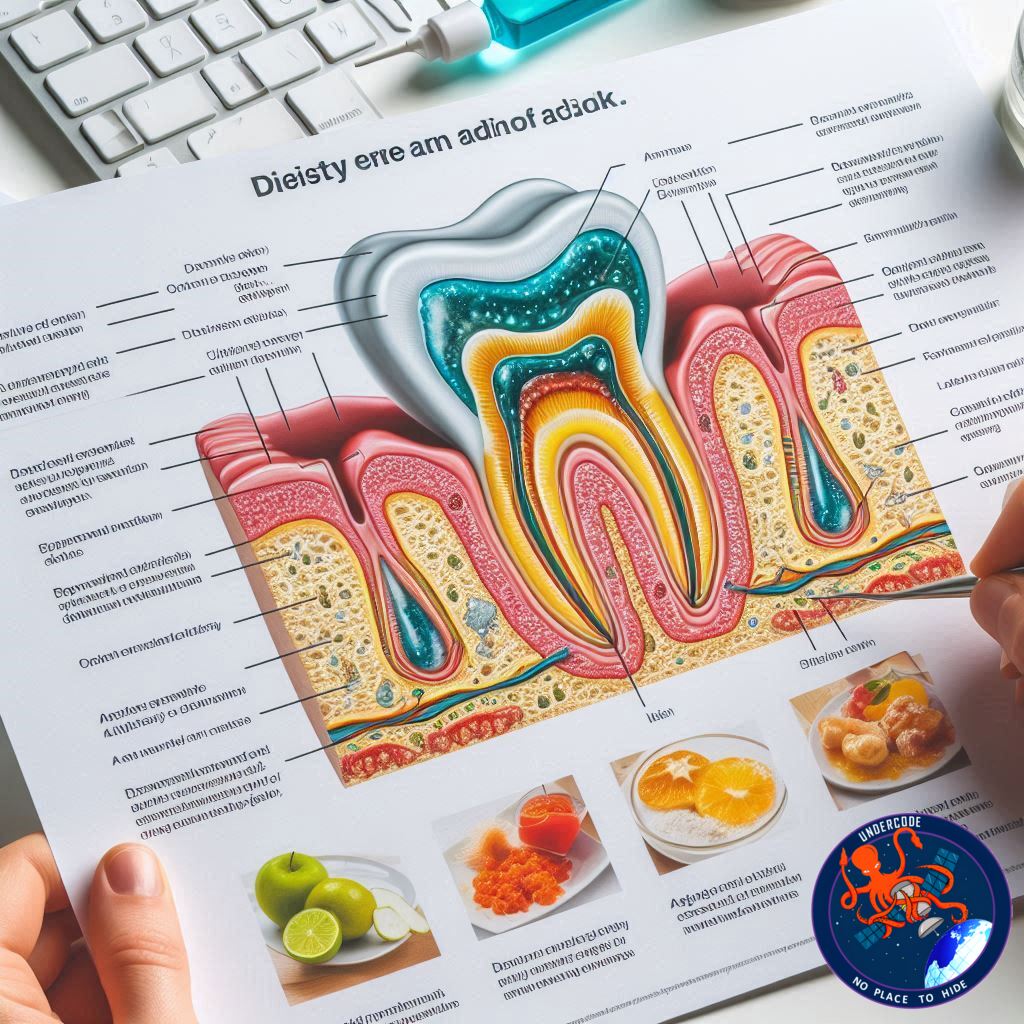
Picture the enamel as an armour plate, slim yet astonishingly strong. For most people, it performs three essential protective roles without fanfare. It blocks acids and bacteria from reaching the dentin underneath, limiting cavities before they begin. It cushions nerves from extremes of temperature, allowing you to switch between ice cream and chai without sharp discomfort. And it absorbs the constant stress from chewing, clenching, and grinding. Its work is tireless. Yet its fragility lies in its chemistry. Enamel contains no living cells, so any erosion that occurs is irreversible.
Global and Indian Dental Vulnerability
Research already shows a significant global rise in enamel erosion, with India seeing accelerated wear because of its food patterns. A systematic review estimates that more than half of Indian adults experience dental caries, a condition tightly linked to enamel thinning and acid exposure. The issue is worsening not because people are neglecting hygiene but because their favourite foods quietly dissolve the enamel over time.
When Healthy Foods Turn Hostile
Foods marketed as nourishing often hide their erosive potential. Citrus, berries, fruit juices, flavoured yogurts, and carbonated drinks carry high acid levels. A study in Lucknow found that one-third of adults showed erosion, with fruit juice linked to two-thirds of those cases. Carbonated drinks contributed almost as much. South Indian studies show that even the routine use of lemon, squeezed into meals or water, multiplies the risk dramatically. Another report reveals that fewer than one percent of adults in South-West coastal regions show no signs of wear at all.
A Small Habit with a Big Cost
Consider a Bengaluru professional who swapped her traditional breakfast for a modern bowl of yogurt layered with berries, lemon, and fresh orange juice. The meal felt pure, wholesome, perfectly aligned with wellness culture. Yet months later, she began flinching during her evening chai. Her dentist traced the issue not to poor brushing but to acid attacks intensified by brushing immediately after consuming these foods. Even healthy habits can backfire when they stack acidic exposure throughout the day.
Protecting Enamel Through Simple Adjustments
Maintaining enamel strength does not mean sacrificing your favourite foods. It requires timing, balance, and a bit of awareness. Drinking acidic beverages in one sitting reduces prolonged exposure. Rinsing with water helps neutralise acids. Waiting thirty minutes before brushing gives enamel time to recover. Fluoride toothpaste rebuilds weak spots by reinforcing mineral layers. Foods like dairy and nuts naturally balance oral pH, aiding saliva in its protective role. Regular dental check-ups catch early signs before sensitivity intensifies.
Preserving What Cannot Be Replaced
Enamel is a marvel of biology, harder than steel yet uniquely vulnerable. Its loss is irreversible. Across India, erosion is now common, often unnoticed until sensitivity or cavities emerge. But small decisions, repeated consistently, have the power to safeguard this shield. Mindful consumption, spacing acidic foods, rinsing afterward, and strengthening with fluoride can protect not just teeth but confidence, comfort, and long-term oral health.
What Undercode Say:
Enamel erosion is often misunderstood as a direct result of poor hygiene, yet the data demonstrates a different narrative, one shaped by lifestyle shifts, wellness trends, and evolving diets. India’s dietary culture has changed rapidly over the past decade, blending traditional meals with modern health habits that emphasize fruit-based snacks, detox drinks, and citrus-infused beverages. These choices are not inherently harmful, but they create a biochemical environment that challenges enamel integrity. Acids from citrus and fermented foods soften enamel temporarily, making it more vulnerable to abrasion from brushing or grinding.
The bigger issue lies in frequency. People increasingly snack throughout the day, sipping fruit juices, citrus water, or smoothies in small intervals. This pattern prolongs acid exposure, reducing the window during which saliva can naturally neutralise pH and remineralise weakened enamel. The enamel fatigue becomes cumulative, not dramatic. It erodes quietly, usually without pain until sensitivity begins, and by then, the enamel has already thinned.
India’s climate plays a role as well. Warm temperatures push people toward cold, tangy refreshments. Carbonated drinks rise in popularity during long summers, adding phosphoric acid into the mix. Many wellness routines also mix ingredients like lemon or apple cider vinegar into morning water, often consumed on an empty stomach when enamel is especially susceptible.
The socioeconomic angle also deserves attention. Urban populations embrace packaged fruit-based drinks that contain added acids and sugars. Meanwhile, rural regions face erosion from tamarind, pickles, and fermented foods used daily in local cuisines. These patterns explain why studies across different Indian states show high prevalence of tooth wear despite vast cultural differences.
The challenge is not the food itself but the behavioural rhythm built around it. Acid exposure becomes part of daily cycles, creating long periods during which enamel remains softened. When combined with aggressive brushing techniques or abrasive toothpaste, the wear accelerates. Preventive care is not complicated, but awareness is low. Small adjustments, such as switching to low-abrasive toothpaste, using straws for acidic drinks, and avoiding brushing immediately after meals, can greatly reduce damage.
Oral health campaigns often focus on cavities, yet enamel erosion progresses even in the absence of decay. It affects quality of life, increases treatment costs, and requires long-term management once sensitivity develops. For a population where many adults already struggle with untreated caries, protecting enamel becomes a strategic necessity. It ensures that teeth remain functional and pain-free, reducing future healthcare burdens. Enamel cannot regenerate, but its decline can be slowed dramatically when behaviour aligns with biology. This is why understanding acid exposure is essential. It equips individuals to make informed choices without abandoning the foods they enjoy.
Fact Checker Results
✅ Enamel does not regenerate because it contains no living cells.
✅ Acidic foods and drinks significantly contribute to enamel erosion.
❌ Brushing immediately after acidic intake does not protect enamel; it increases wear.
Prediction
Over the next decade, rising consumption of fruit-based drinks and wellness beverages will likely increase enamel erosion rates across urban India. Public awareness campaigns will expand, promoting fluoride use, gentle brushing, and acid-timing strategies as essential preventive measures. Dental industries may introduce more enamel-focused products as erosion becomes a mainstream health priority.
🕵️📝✔️Let’s dive deep and fact‑check.
References:
Reported By: timesofindia.indiatimes.com
Extra Source Hub (Possible Sources for article):
https://www.quora.com/topic/Technology
Wikipedia
OpenAi & Undercode AI
Image Source:
Unsplash
Undercode AI DI v2
Bing
🔐JOIN OUR CYBER WORLD [ CVE News • HackMonitor • UndercodeNews ]
📢 Follow UndercodeNews & Stay Tuned:
𝕏 formerly Twitter 🐦 | @ Threads | 🔗 Linkedin | 🦋BlueSky | 🐘Mastodon


