
Listen to this Post
Introduction
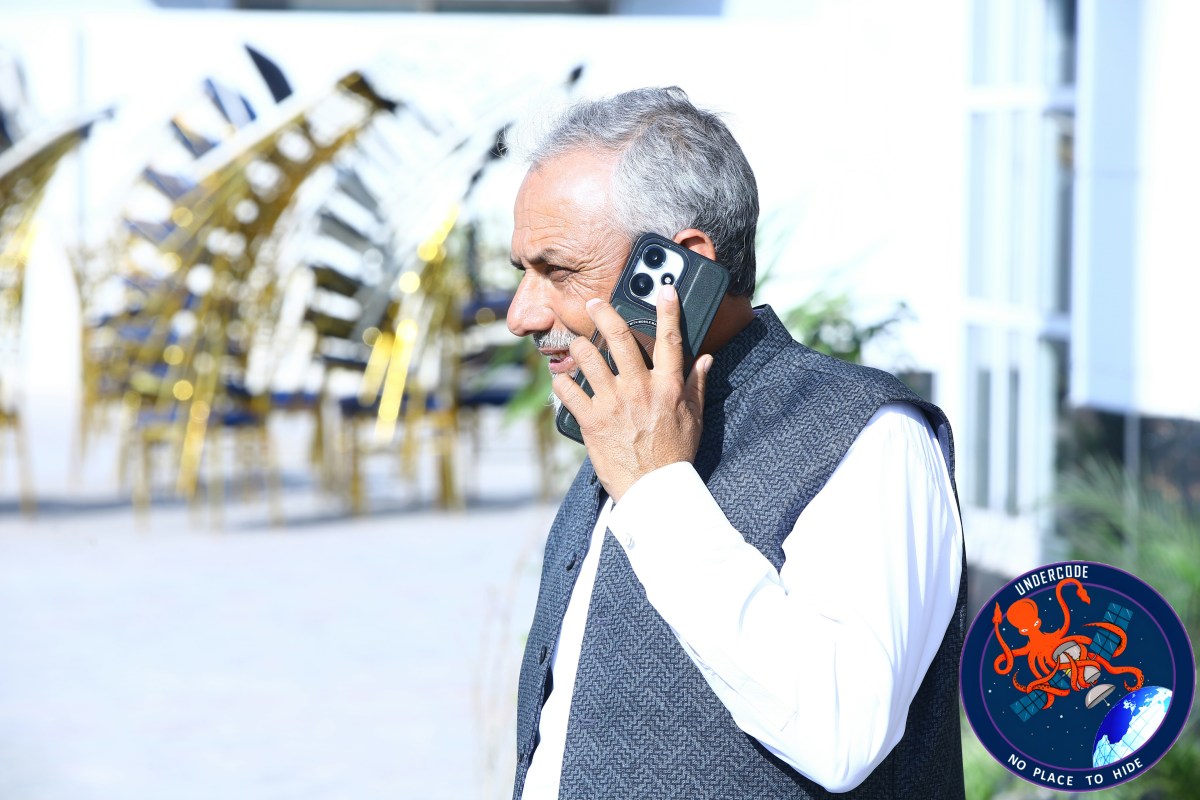
For weeks, residents across Abuja have struggled to make simple phone calls. Voices cut mid-sentence, connections failed outright, and frustration simmered with every redial. Social media filled with complaints, and speculation grew about whether the country was facing a deeper telecom meltdown. But the truth, as revealed by the Minister of Communications, Innovation and Digital Economy, Bosun Tijani, is far more human and far more avoidable than most expected. In a candid appearance on Channels Television’s Politics Today, the minister broke down the real reason behind the sudden collapse of call quality in the capital city, linking it to a dispute that spiraled out of control and dragged critical infrastructure with it.
Summary of the Original
A Dispute Disrupting a City
The telecommunications breakdown in Abuja was not caused by a nationwide technical failure or cyberattack. It was triggered by a disagreement between a major tower management company and the diesel supplier responsible for powering its base stations.
Minister’s Explanation
Bosun Tijani, the Minister of Communications, Innovation and Digital Economy, explained the situation during a live television interview. While addressing widespread complaints, he confirmed that Abuja’s poor network performance was caused by a standoff that escalated beyond a normal business dispute.
Escalation Into Legal Conflict
According to Tijani, both parties pushed the disagreement into the courts. As tensions grew, the supplier’s union responded by shutting down multiple telecom towers across the Abuja metropolis. These towers host essential equipment that keeps local mobile traffic flowing. Once they went offline, the city’s call quality crashed.
Widespread Complaints
Residents had been reporting sudden call drops, difficulty connecting, and general instability across networks. Many assumed the problem was technological, but the cause turned out to be a human-driven operational shutdown.
Minister’s Confirmation
Tijani ultimately confirmed that the conflict, not a technical failure, created the chaos. He added that the shutdown directly resulted in the wave of call disruptions residents had been experiencing in recent days.
Deep Analysis of the Crisis
Hidden Fragility in Nigeria’s Telecom Backbone
The situation exposed a vulnerability that many Nigerians never consider. Modern telecommunications rely heavily on tower management companies, diesel suppliers, engineers, and contractors who form a delicate ecosystem. When one piece fails, customers feel the shock instantly. This dispute highlights how easily critical infrastructure can become collateral damage in private disagreements.
A New Threat: Human Operational Disruptions
Most discussions around telecom stability focus on technical glitches, cyber risks, or outdated equipment. Yet, this breakdown came from a simple contractual conflict. The revelation suggests that Nigeria’s telecom reliability can be threatened not just by storms or failures, but by administrative misunderstandings or payment disagreements.
Court Battles With National Consequences
That the matter progressed to court raises important questions. Should private disputes involving critical national infrastructure be allowed to escalate without government intervention? Towers power communication for millions. Silencing them, even unintentionally, has national security implications.
Diesel Dependency Remains a Weak Link
Despite growing conversations about cleaner energy, many telecom towers still depend on diesel generators. This dependence means any disruption in fuel supply can directly impact network stability. Abuja’s incident demonstrates how fragile diesel-powered systems can be during contractual or industrial disputes.
The Sustainability Challenge
Until Nigeria transitions a larger portion of its telecom infrastructure to solar, hybrid systems, or grid stability, diesel will remain both a necessity and a vulnerability. Operational threats will persist unless reforms reshape how critical equipment is powered.
Unions and the Power to Halt Infrastructure
The union’s move to shut down towers highlights another layer of risk. Organized labor can halt national communication traffic when supplier disputes become heated. While unions serve an important role in protecting workers, shutting down key infrastructure puts millions at risk.
Public Trust and Corporate Responsibility
When call services degrade, customers blame their telecom providers. Yet telecom companies often rely on third-party tower firms that depend on external diesel suppliers. Nigerians rarely see this layered structure, so distrust grows every time service quality collapses.
A Call for Stronger Regulation
This incident reveals gaps in regulatory oversight. Critical infrastructure should have contingency protocols that ensure continuity regardless of disputes. Backup power systems, alternative suppliers, and stricter contractual frameworks could reduce the risk of another shutdown.
Government’s Response and Future Expectations
Tijani’s transparency offers reassurance, but Nigerians now expect more than explanations. The industry must adopt stronger safeguards to ensure the public never again becomes a hostage in a supplier dispute. The government may need to introduce policies forcing infrastructure operators to maintain minimum guaranteed uptime, regardless of internal disagreements.
Lessons for the Telecom Industry
Telecom operators must rethink the resilience of their supply chains. Relying on a single diesel supplier or allowing unresolved conflicts to reach the point of operational shutdowns is no longer acceptable. Abuja’s network collapse serves as a case study in operational vulnerabilities that could be avoided with more robust contractual frameworks.
What Undercode Say:
A Critical Communication Breakdown
The Abuja call disruption exposes an underrated weakness in Nigeria’s digital economy. While the nation has made strides in internet penetration and mobile adoption, the structural backbone remains fragile. The reliance on diesel makes the system reactive rather than proactive. A single dispute shouldn’t have the power to cripple an entire city’s connectivity, yet it did. This shows that Nigeria’s telecom infrastructure needs strategic reform, not just operational fixes.
Why This Matters Beyond Abuja
Telecom networks are national assets. A disruption of this scale is not merely an inconvenience. It affects emergency communications, business continuity, security operations, and social stability. The dispute demonstrates that national infrastructure can be destabilized by private sector conflict, meaning safeguards must evolve beyond simple service-level agreements.
A Missing Layer of Oversight
The absence of immediate regulatory intervention allowed a routine dispute to become a citywide crisis. This signals the need for a policy framework that prevents third-party vendors from having the unilateral power to disable critical nodes. Regulators must audit dependency risks and enforce continuity obligations.
Toward a More Resilient Telecom Future
The path forward requires investment in redundancy, energy diversification, and dispute-management protocols. Nigeria should accelerate the transition to greener and more independent energy systems around telecom towers. Without structural reform, similar crises will recur whenever contractual relationships falter.
Fact Checker Results
The minister did confirm a dispute caused the Abuja call disruptions. ✅
The shutdown was linked to the supplier’s union closing multiple towers. ✅
No nationwide technical failure or cyberattack was involved. ❌
Prediction
🔥 Expect regulatory reforms to emerge, especially around tower management and energy supply.
📡 Telecom companies may shift toward hybrid or solar power sources to avoid future shutdowns.
🛑 If reforms lag, similar disruptions could occur in other major cities.
🕵️📝✔️Let’s dive deep and fact‑check.
References:
Reported By: www.channelstv.com
Extra Source Hub (Possible Sources for article):
https://stackoverflow.com
Wikipedia
OpenAi & Undercode AI
Image Source:
Unsplash
Undercode AI DI v2
Bing
🔐JOIN OUR CYBER WORLD [ CVE News • HackMonitor • UndercodeNews ]
📢 Follow UndercodeNews & Stay Tuned:
𝕏 formerly Twitter 🐦 | @ Threads | 🔗 Linkedin | 🦋BlueSky | 🐘Mastodon


