
Listen to this Post
Introduction: A Turning Point for Nigeria’s Digital Lending Ecosystem
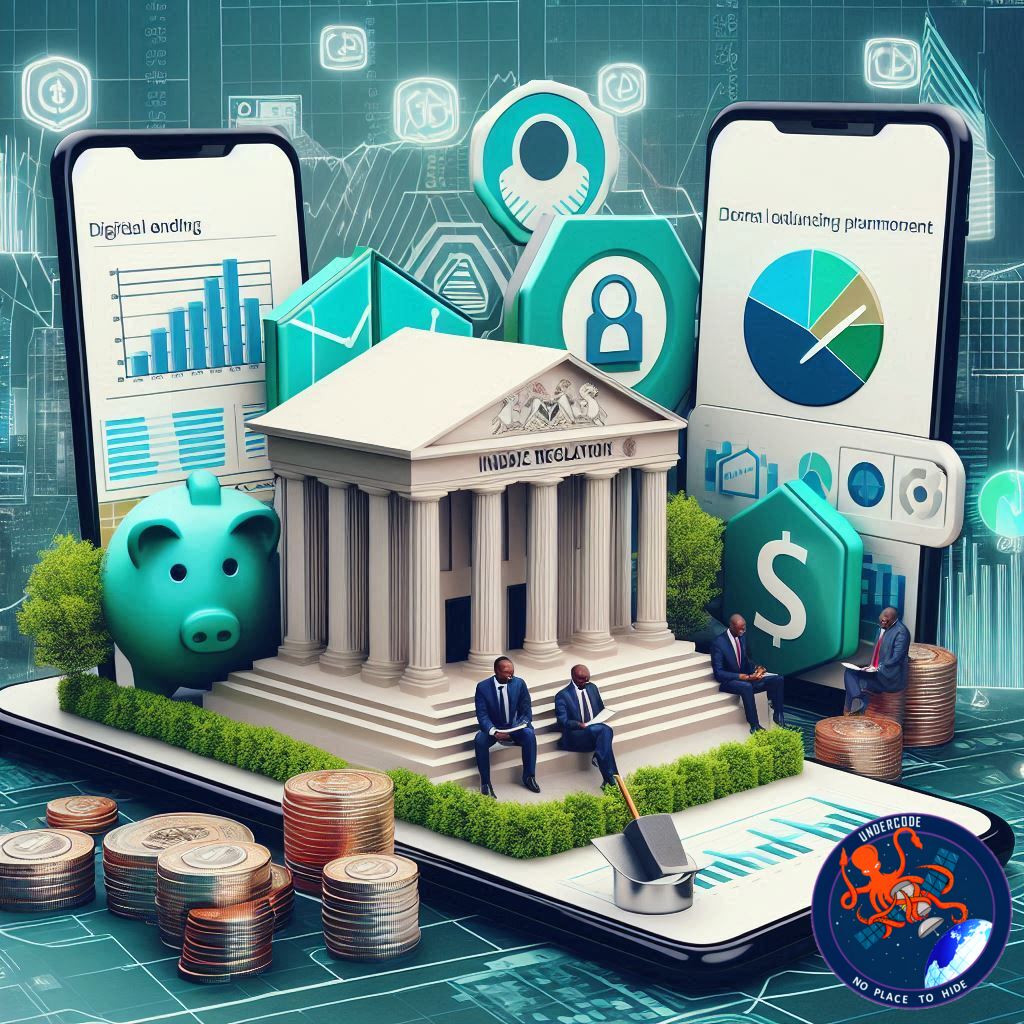
Nigeria’s fast growing digital lending sector is entering a decisive phase. As millions of Nigerians rely on mobile loan apps for short term credit, regulators are stepping in to correct long standing abuses while preserving access to finance. In 2024, the Federal Government, through the Federal Competition and Consumer Protection Commission, plans to introduce stricter regulations for digital lenders such as Opay, PalmPay, Moniepoint, and others. The move signals a shift toward balancing consumer protection with the sustainability of fintech driven lending in Africa’s largest economy.
Summary of the Original Report: FG Prepares Stronger Oversight for Loan Apps
The Nigerian government has announced plans to strengthen regulations governing the digital lending space in 2024. This development was disclosed by the Federal Competition and Consumer Protection Commission, which oversees consumer rights and fair competition in the country. According to the commission, the new regulatory framework is designed to improve consumer lending practices and establish more ethical loan recovery methods amid rising cases of debtor default.
The Chief Executive Officer of the FCCPC, Babatunde Irukera, revealed during a television interview that incidents of harassment and intimidation by digital loan apps have dropped by approximately 80 percent. This reduction followed sustained enforcement actions against abusive lenders who previously relied on defamatory messages, threats, and public shaming to recover debts.
Despite this progress, Irukera noted that loan defaults remain significantly high. He explained that many lenders had depended on unethical recovery mechanisms, which regulators have now restricted. As a result, lenders must develop more responsible alternatives for loan recovery. According to the FCCPC, allowing digital lenders to collapse due to poor recovery practices would create another consumer protection issue, especially for Nigerians who depend on short term unsecured loans for daily needs.
The commission also highlighted that Nigeria is not alone in facing challenges associated with digital lending. Countries such as India, Kenya, Brazil, Ghana, and Uganda continue to struggle with similar issues, with some reportedly learning from Nigeria’s regulatory approach.
In a related development, the FCCPC released an updated list of 154 loan companies granted full approval to operate in Nigeria. The list includes the apps associated with each approved firm, making it easier for consumers to identify legitimate lenders and reducing the risk of app duplication and fraud. This followed a previous cleanup exercise in which several companies were delisted for non compliance.
Regulatory Context: Why the FCCPC Is Acting Now
Nigeria’s digital lending boom has been driven by smartphone adoption, limited access to traditional banking credit, and economic pressure on households. However, weak oversight initially allowed unethical practices to flourish. By tightening regulations now, the FCCPC aims to prevent market failure while restoring trust between lenders and borrowers.
Consumer Protection Gains: Harassment Drops but Defaults Persist
The reported 80 percent reduction in harassment highlights the effectiveness of enforcement actions. Yet, high default rates expose deeper structural issues such as poor credit assessment, low financial literacy, and economic instability. Regulation alone cannot solve these challenges, but it can force better risk management.
Industry Impact: What It Means for Opay, PalmPay, Moniepoint
Major fintech players will likely face higher compliance costs, stricter data handling rules, and clearer loan recovery standards. While smaller or non compliant lenders may exit the market, established platforms with strong governance structures are better positioned to adapt.
Transparency Measures: Approved Loan App Listings
Publishing a detailed list of FCCPC and CBN approved loan apps empowers consumers to verify legitimacy. This move also discourages rogue operators and strengthens accountability within the fintech ecosystem.
What Undercode Say: Strategic Analysis of Nigeria’s Digital Lending Reset
Nigeria’s decision to tighten digital lending regulation is not an attack on fintech innovation, but a necessary correction. The early phase of digital lending prioritized speed and scale over ethics, creating a fragile ecosystem built on aggressive recovery tactics. By enforcing boundaries, regulators are forcing the industry to mature.
From a strategic standpoint, sustainable digital lending depends on three pillars: responsible credit scoring, ethical recovery, and borrower education. Many Nigerian loan apps relied on contact scraping and intimidation because their underwriting models were weak. Stronger rules will push lenders to invest in better data analytics, alternative credit scoring, and partnerships with credit bureaus.
There is also a competitive angle. Well capitalized players like Opay, PalmPay, and Moniepoint can absorb regulatory costs and build compliant systems, while smaller players may struggle. This could lead to consolidation, reducing market noise but potentially limiting consumer choice if not carefully managed.
Internationally, Nigeria’s approach positions it as a regulatory reference point for other emerging markets grappling with similar fintech risks. The FCCPC’s emphasis on balancing access to credit with consumer dignity reflects a broader global shift toward responsible digital finance.
However, risks remain. If regulations become too restrictive without addressing economic realities such as unemployment and inflation, default rates may remain high. Regulation must therefore be complemented by broader financial inclusion policies, improved credit reporting, and macroeconomic stability.
Fact Checker Results
✅ FCCPC confirmed plans to introduce stricter digital lending regulations in 2024.
✅ Harassment and defamatory recovery practices reportedly reduced by about 80 percent.
❌ High loan default rates remain unresolved despite regulatory enforcement.
Prediction
📊 Nigeria’s digital lending sector will shrink in number but grow in quality as weaker apps exit the market.
📊 Major fintech lenders will invest more in credit analytics and compliance infrastructure.
📊 Nigeria may emerge as a regulatory model for digital lending across Africa and other emerging markets.
🕵️📝✔️Let’s dive deep and fact‑check.
References:
Reported By: www.legit.ng
Extra Source Hub (Possible Sources for article):
https://www.instagram.com
Wikipedia
OpenAi & Undercode AI
Image Source:
Unsplash
Undercode AI DI v2
Bing
🔐JOIN OUR CYBER WORLD [ CVE News • HackMonitor • UndercodeNews ]
📢 Follow UndercodeNews & Stay Tuned:
𝕏 formerly Twitter 🐦 | @ Threads | 🔗 Linkedin | 🦋BlueSky | 🐘Mastodon


