
Listen to this Post
Introduction: When Your Smile Quietly Changes
You set up your phone, hit record, and glance at your reflection. Something feels off. Your teeth look duller, slightly yellow, not as bright as they once were. This is not a trick of the camera or bad lighting. What you are noticing could be enamel erosion, a slow, silent process that weakens the very foundation of your teeth. Unlike surface stains from coffee or spices, enamel damage runs deeper. It exposes the yellow dentin beneath and cannot be reversed. Once enamel is gone, it is gone for good. That is why understanding and protecting tooth enamel is no longer optional, it is essential.
What Is Tooth Enamel and Why It Matters
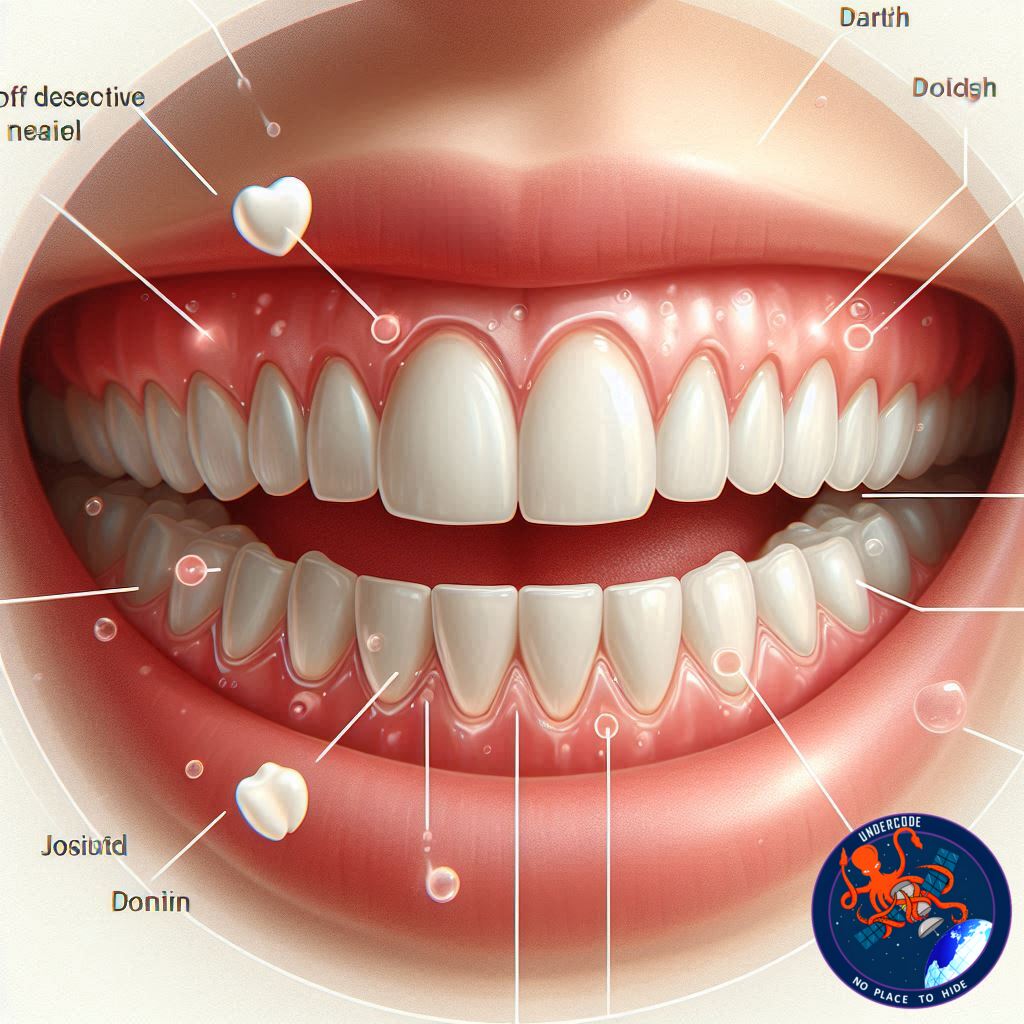
Tooth enamel is the glossy, protective outer layer that covers each tooth. Composed of nearly 95 percent minerals, mainly hydroxyapatite, it is the hardest substance in the human body. Yet despite its strength, enamel has one major weakness. It is not alive. Unlike bones, it contains no living cells, which means it cannot repair or regenerate itself. This single fact makes enamel care critically important. Enamel acts as the first and last line of defense against cavities, sensitivity, decay, and structural tooth damage.
Why Enamel Care Is Often Ignored in India
Despite its importance, enamel care remains largely overlooked. Research indicates that only around 8 percent of Indians are aware of enamel erosion, even though nearly 95 percent are at risk. Many everyday habits, brushing too hard, sipping acidic drinks, frequent snacking, are considered harmless. Over time, these habits slowly strip away enamel without causing immediate pain. By the time symptoms such as sensitivity or yellowing appear, the damage is often advanced. Dentists report that about 27 percent of Indian patients already show visible signs of enamel erosion, highlighting a growing but underrecognized dental health issue.
How Enamel Erosion Happens
Enamel erosion does not occur overnight. It is the result of repeated exposure to damaging factors that gradually weaken tooth surfaces. Excessive or aggressive brushing wears away enamel and irritates gums. Acidic foods and drinks, including citrus fruits, sodas, sports beverages, and tomato-based meals, lower the pH level in the mouth, softening enamel. Frequent snacking keeps acids active for longer periods. Bruxism, or teeth grinding, especially during sleep, physically wears down enamel. Poor oral hygiene allows plaque buildup, which produces acids that attack enamel daily. The most dangerous aspect is that early enamel erosion is usually painless, making prevention the only effective solution.
The Real Cost of Ignoring Enamel Health
When enamel thins, the underlying dentin becomes visible, giving teeth a yellowish appearance. Sensitivity to hot, cold, or sweet foods soon follows. In advanced cases, cavities form more easily, and the risk of tooth loss increases. Beyond physical discomfort, enamel erosion affects confidence. A smile that looks damaged or causes pain during meals can impact social interactions, self-esteem, and even professional presence. Enamel protection is not just about teeth. It is about comfort, confidence, and quality of life.
Practical Ways to Protect Tooth Enamel
Caring for enamel does not require extreme measures. Small, consistent habits make a significant difference. Use a soft-bristled toothbrush and apply gentle pressure with circular motions. Avoid brushing immediately after consuming acidic foods. Wait at least 30 minutes to allow saliva to neutralize acids. Reduce the intake of sugary and acidic foods, and rinse your mouth with water if you do consume them. Stay hydrated to support saliva production, which naturally protects enamel. Schedule regular dental check-ups to catch early signs of erosion. Use toothpaste specifically designed for enamel protection to strengthen your teeth’s natural shield.
Awareness Is the First Step
In a country where awareness is low but risk is high, the message is clear. Enamel care is not a cosmetic choice. It is a health necessity. Enamel works silently every day to protect your teeth from pain and decay. But even the strongest shield needs care. Awareness, mindful habits, and the right oral care products can preserve enamel and protect smiles for years to come.
What Undercode Say:
Enamel erosion is not a dramatic dental emergency. That is precisely why it is so dangerous. Modern lifestyles accelerate enamel loss through acidic diets, stress-induced grinding, and aggressive hygiene myths. Many people believe harder brushing equals cleaner teeth, when in reality it does more harm than good. The Indian dietary pattern, rich in spices, citrus, and frequent snacking, further increases acid exposure. Combine this with low dental visit frequency, and enamel erosion becomes inevitable rather than accidental.
The most overlooked aspect is that enamel damage is structural, not cosmetic. Whitening treatments cannot fix thinning enamel. In some cases, they worsen sensitivity. This creates a cycle where people chase cosmetic solutions while the foundation of their teeth weakens. Preventive dentistry needs to shift focus from appearance to preservation.
Public awareness campaigns often emphasize cavities and gum disease but rarely explain enamel’s role. This gap in education leads to delayed action. By the time patients feel pain, restorative procedures are more invasive and costly. Enamel care should start early, ideally in childhood, with education on gentle brushing, diet timing, and acid exposure.
From a long-term perspective, enamel preservation reduces healthcare costs, improves nutrition by preventing chewing discomfort, and enhances confidence. The solution is not complex. It is consistency. Gentle habits practiced daily outperform aggressive interventions done occasionally. Enamel may be invisible, but its impact on oral health and self-image is profound.
Fact Checker Results
✅ Tooth enamel cannot regenerate once lost
✅ Acidic foods and hard brushing accelerate enamel erosion
❌ Enamel erosion cannot be fixed by whitening treatments alone
Prediction
📊 As awareness grows, enamel-focused oral care products will see increased adoption
📊 Preventive dental education will shift from cosmetic goals to structural health
📊 Early enamel protection will reduce sensitivity and restorative dental procedures over time
▶️ Related Video (84% Match):
🕵️📝✔️Let’s dive deep and fact‑check.
References:
Reported By: timesofindia.indiatimes.com
Extra Source Hub (Possible Sources for article):
https://www.stackexchange.com
Wikipedia
OpenAi & Undercode AI
Image Source:
Unsplash
Undercode AI DI v2
Bing
🔐JOIN OUR CYBER WORLD [ CVE News • HackMonitor • UndercodeNews ]
📢 Follow UndercodeNews & Stay Tuned:
𝕏 formerly Twitter 🐦 | @ Threads | 🔗 Linkedin | 🦋BlueSky | 🐘Mastodon


