
Listen to this Post
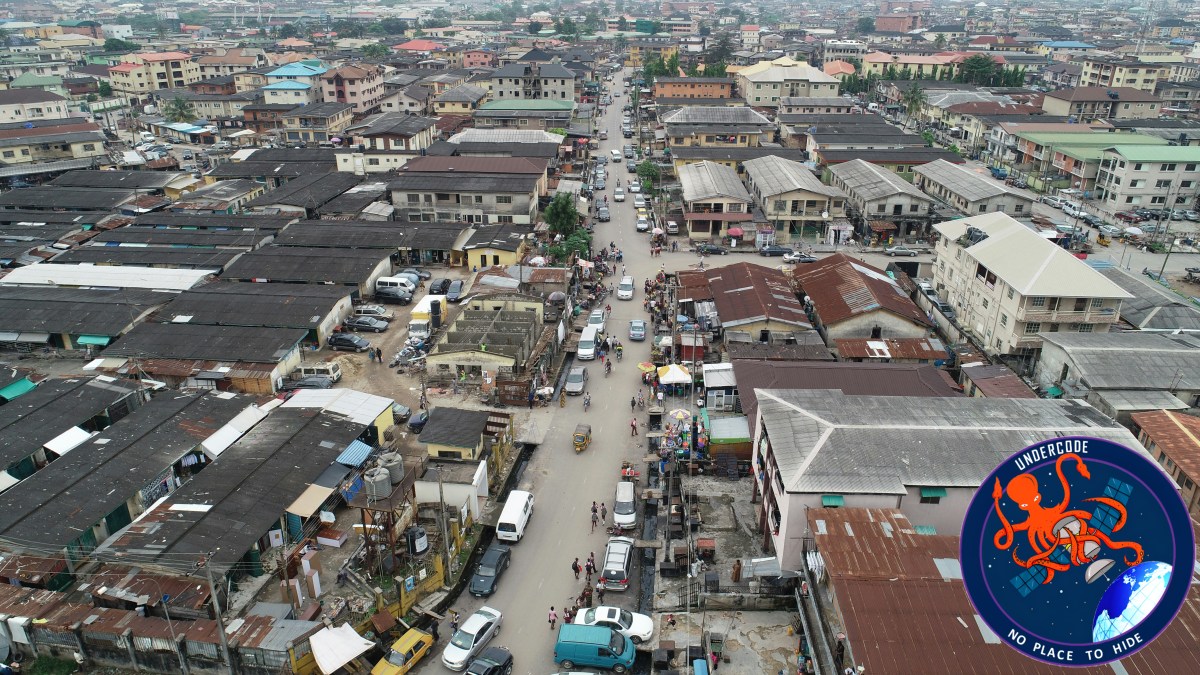
Introduction: Lagos’ Long-Awaited Rail Moment
Lagos has always been Nigeria’s economic heartbeat, but its growth has come with relentless traffic congestion and mobility challenges. With millions moving daily between the mainland and the island, efficient mass transit has remained one of the city’s most urgent needs. The commissioning of the Lagos Red Line Rail project marks a defining moment in the state’s transportation history, signaling a shift toward rail-based urban mobility as a sustainable solution.
Background: Tinubu Commissions the Lagos Red Line
President Bola Ahmed Tinubu recently commissioned the Lagos State Red Line Rail, a project valued at approximately $150 million. Designed to serve both Lagos residents and commuters from neighboring Ogun State, the Red Line is projected to move more than 500,000 passengers daily, easing pressure on roads and reducing travel time across key urban corridors.
Purpose: Why the Red Line Matters
The Red Line was developed to address chronic traffic congestion, reduce environmental pollution, and create a faster, more reliable commuting option for residents. By linking major commercial and residential districts, the project aims to improve productivity and quality of life across Lagos.
Route Overview: From Agbado to Oyingbo
The Red Line runs parallel to the Lagos–Kano Standard Gauge Railway, starting from Agbado in Ogun State and terminating at Oyingbo in Lagos. This alignment allows for efficient rail integration while minimizing land acquisition challenges within the densely populated metropolis.
Core Stations: Strategic Urban Stops
The rail line connects several high-traffic districts, ensuring accessibility for workers, students, and traders. These stops were carefully selected to reflect population density and economic activity along the corridor.
Full List: Lagos Red Line Train Stations
The officially designated stations on the Lagos Red Line include:
Agbado Station, Iju Station, Agege Station, Ikeja Station, Oshodi Station, Mushin Station, Yaba Station, and Oyingbo Station.
Infrastructure Support: Bridges and Overpasses
To ensure seamless operations and commuter safety, the project includes ten vehicular overpasses and pedestrian bridges. These structures are intended to eliminate rail-road conflicts and reduce accident risks along the corridor.
Tinubu’s Remarks: No Room for Complacency
At the commissioning, President Tinubu emphasized accountability and performance, noting that public institutions can be effectively managed to serve citizens. He stressed that while progress has been made, sustained effort and discipline remain essential.
Economic Vision: Boosting Lagos Commerce
The Lagos State Government views the Red Line as more than transport infrastructure. It is positioned as an economic catalyst that will enhance labor mobility, reduce logistics costs, and stimulate business growth across connected districts.
Integration: Red Line Meets Blue Line
The Red Line complements the already operational Blue Line, which connects Marina to Mile 2 and currently serves up to 250,000 passengers daily. Together, both lines form the backbone of Lagos’ emerging rail network.
Historical Context: Tinubu as Rail Pioneer
The Lagos rail vision dates back to the early 2000s during Tinubu’s tenure as governor. After years of planning and delays, the Red and Blue Lines now represent the tangible outcome of that long-term strategy.
Expansion Outlook: More Lines Ahead
The Red and Blue Lines are part of a broader master plan that includes five additional rail corridors expected to launch in the coming years, ultimately forming a citywide transit grid.
Summary of the Original
The Lagos Red Line Rail project was recently commissioned by President Bola Tinubu as part of efforts to modernize transportation in Nigeria’s commercial capital. Costing an estimated $150 million, the rail line is designed to carry over 500,000 passengers daily, easing congestion and improving urban mobility. Running from Agbado in Ogun State to Oyingbo in Lagos, the Red Line follows the Lagos–Kano Standard Gauge Railway corridor. Key stations include Agbado, Iju, Agege, Ikeja, Oshodi, Mushin, Yaba, and Oyingbo. Supporting infrastructure such as vehicular overpasses and pedestrian bridges was constructed to ensure smooth operations. Tinubu praised the Lagos Metropolitan Area Transport Authority for institutional effectiveness and warned against complacency. The Red Line complements the Blue Line, which has been operational since 2023, and reflects a rail vision initiated during Tinubu’s early political career. Together, these projects aim to streamline commuting, reduce pollution, and boost economic activity across Lagos.
What Undercode Say:
The Lagos Red Line is a structural response to a problem Lagos has battled for decades: mobility paralysis caused by unchecked urban expansion. Moving half a million people daily by rail is not just a transport upgrade; it is an economic intervention. Each station sits within a high-density zone where time lost in traffic directly translates to lost productivity. By running alongside an existing standard gauge corridor, the state reduced construction friction, signaling smarter infrastructure planning. The real test, however, will be operational discipline—consistent scheduling, security, maintenance, and pricing. If managed properly, the Red Line could quietly reshape housing patterns, pushing residential demand outward while keeping commute times stable. The integration with the Blue Line also suggests Lagos is finally thinking in systems, not isolated projects. Rail-led development can reduce pressure on roads, cut emissions, and normalize public transport culture in a city dominated by private cars and minibuses. Long-term success will depend on fare affordability, power reliability, and political continuity beyond ceremonial commissioning.
Fact Checker Results
✅ The Red Line route and station list align with official Lagos State disclosures.
✅ Passenger capacity projections match statements made during commissioning.
❌ Long-term daily ridership figures remain estimates, not yet operational data.
Prediction
🚆 The Red Line will initially face operational teething problems but stabilize within its first year.
📈 Property values around stations like Ikeja, Yaba, and Agege are likely to rise.
🌍 If expansion plans hold, Lagos could emerge as West Africa’s most rail-connected мегacity.
🕵️📝✔️Let’s dive deep and fact‑check.
References:
Reported By: www.legit.ng
Extra Source Hub (Possible Sources for article):
https://www.instagram.com
Wikipedia
OpenAi & Undercode AI
Image Source:
Unsplash
Undercode AI DI v2
Bing
🔐JOIN OUR CYBER WORLD [ CVE News • HackMonitor • UndercodeNews ]
📢 Follow UndercodeNews & Stay Tuned:
𝕏 formerly Twitter 🐦 | @ Threads | 🔗 Linkedin | 🦋BlueSky | 🐘Mastodon


