
Listen to this Post
Introduction
Africa’s digital transformation is accelerating at an unprecedented pace. Mobile banking, e-government platforms, cloud services, and artificial intelligence are reshaping economies and public services across the continent. But this rapid progress comes with a darker shadow. Cybercrime is expanding just as fast, exploiting weak infrastructure, fragmented laws, and uneven cybersecurity expertise. Against this backdrop, Afripol is stepping forward, positioning itself as a central force in unifying African law enforcement to confront a borderless and highly adaptive cyber threat.
the Original
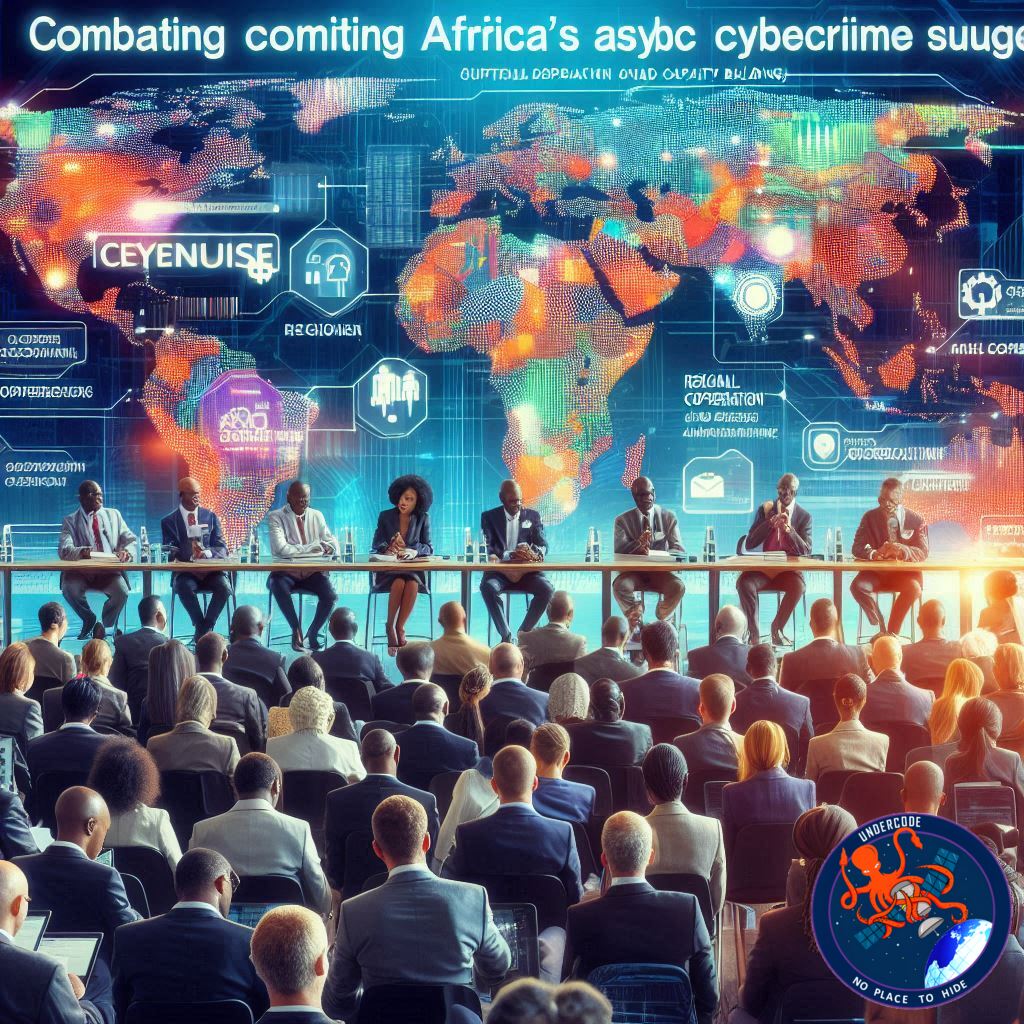
Law enforcement officials from more than 40 African countries convened on December 10 in Algiers for the Sixth Meeting of the Heads of National Liaison Offices. The meeting focused on cross-border cybercrime, standardizing investigative tools, strengthening digital infrastructure, and expanding training for cybercrime investigations and prosecutions. According to Afripol, the discussions highlighted progress made in digital platforms, training delivery, and national coordination, signaling renewed momentum for African Union-backed law enforcement collaboration.
Africa’s rapid digital adoption has significantly increased exposure to cybercrime. As more citizens rely on online services, often through mobile devices, cybersecurity capabilities have lagged behind. Many government bodies and private organizations still lack resilient cyber infrastructure, creating opportunities for cybercriminal networks. The growing use of AI, while economically promising, has further empowered attackers with more sophisticated tools.
Data from Check Point Software reveals that African organizations faced an average of 3,153 cyberattacks per week in 2025, a figure 61 percent higher than the global average. Although attack volumes have slightly declined, the continent remains disproportionately targeted. Experts argue that law enforcement agencies must evolve faster to match the pace and scale of cybercriminal activity.
Industry and international partners emphasize that cross-border cooperation is no longer optional. Cybercriminals exploit legal gaps, jurisdictional boundaries, and slow evidence-sharing processes. While African nations have improved legal frameworks and technical skills, challenges persist in judicial alignment, investigator training, and specialized cybercrime capacity.
Interpol officials note that law enforcement is constantly reacting rather than anticipating cybercriminal innovation. However, progress is visible. Over the past five years, African agencies have significantly enhanced their collaboration capabilities. Joint investigations, coordinated takedowns, and asset seizures are becoming more common. Afripol, working alongside Interpol and private-sector partners, has played a key role in dismantling cybercriminal gangs and disrupting their infrastructure.
Standardizing digital evidence procedures, securing encrypted communication channels, and harmonizing legal frameworks are now top priorities. These efforts ensure that evidence collected in one country can support prosecutions in another. Initiatives like Interpol’s African Joint Operation against Cybercrime demonstrate how regional and global cooperation can overcome procedural and jurisdictional barriers, creating a more unified response to transnational cyber threats.
What Undercode Say:
Afripol’s current trajectory reflects a critical shift in Africa’s cybersecurity posture, moving from fragmented national responses toward coordinated regional defense. The most significant development is not the number of meetings held or statements issued, but the operational normalization of cross-border collaboration. This marks a structural change in how cybercrime is treated, no longer as isolated national incidents but as interconnected criminal ecosystems.
The statistics alone justify urgency. Experiencing cyberattack volumes far above the global average suggests that Africa is being targeted not just because of growth, but because of perceived vulnerability. Cybercriminal syndicates operate on efficiency and profit, and regions with inconsistent enforcement and slow judicial processes become prime hunting grounds. Afripol’s push to standardize tools and evidence handling directly targets this weakness.
Training emerges as the most strategic investment. Annual seminars are insufficient in a threat landscape that evolves weekly. Continuous, skills-based training programs create institutional memory and reduce dependence on external expertise. This is especially important as cybercrime increasingly intersects with financial fraud, human trafficking, and organized crime networks operating across continents.
Another underappreciated factor is trust. Effective intelligence sharing requires confidence that sensitive data will be protected and used appropriately. Afripol’s role as a regional coordinator helps establish that trust, acting as a neutral bridge between national agencies with varying legal traditions and political priorities.
The involvement of private cybersecurity firms adds a pragmatic edge. Threat intelligence, attack telemetry, and real-time insights from industry fill gaps that public institutions cannot cover alone. When aligned correctly, this public-private cooperation accelerates detection, attribution, and disruption of cybercriminal infrastructure.
However, progress remains fragile. Legal harmonization is slow, and political changes can disrupt continuity. Without sustained funding, standardized legislation, and retention of trained personnel, gains can quickly erode. Afripol’s challenge is to institutionalize cooperation so deeply that it survives leadership changes and budget cycles.
Ultimately, Africa’s cyber resilience will depend on whether these collaborative frameworks translate into faster arrests, successful prosecutions, and visible deterrence. The direction is promising, but execution will determine whether Afripol becomes a model for regional cyber policing or another well-intentioned initiative constrained by reality.
Fact Checker Results
✅ Afripol meeting details and objectives align with official statements and reporting.
✅ Cyberattack statistics cited from Check Point Software are consistent with published data.
❌ Long-term effectiveness of legal harmonization remains unproven and uneven across regions.
Prediction
📊 Afripol-led operations will increase in scale and visibility over the next two years as joint investigations become routine.
📊 African nations will prioritize cybercrime units within national police forces, driven by economic and political pressure.
📊 Regions that fail to align legal frameworks may become persistent safe zones for cybercriminal syndicates.
▶️ Related Video (86% Match):
🕵️📝✔️Let’s dive deep and fact‑check.
References:
Reported By: www.darkreading.com
Extra Source Hub (Possible Sources for article):
https://www.instagram.com
Wikipedia
OpenAi & Undercode AI
Image Source:
Unsplash
Undercode AI DI v2
Bing
🔐JOIN OUR CYBER WORLD [ CVE News • HackMonitor • UndercodeNews ]
📢 Follow UndercodeNews & Stay Tuned:
𝕏 formerly Twitter 🐦 | @ Threads | 🔗 Linkedin | 🦋BlueSky | 🐘Mastodon


