
Listen to this Post
A Company at a Crossroads
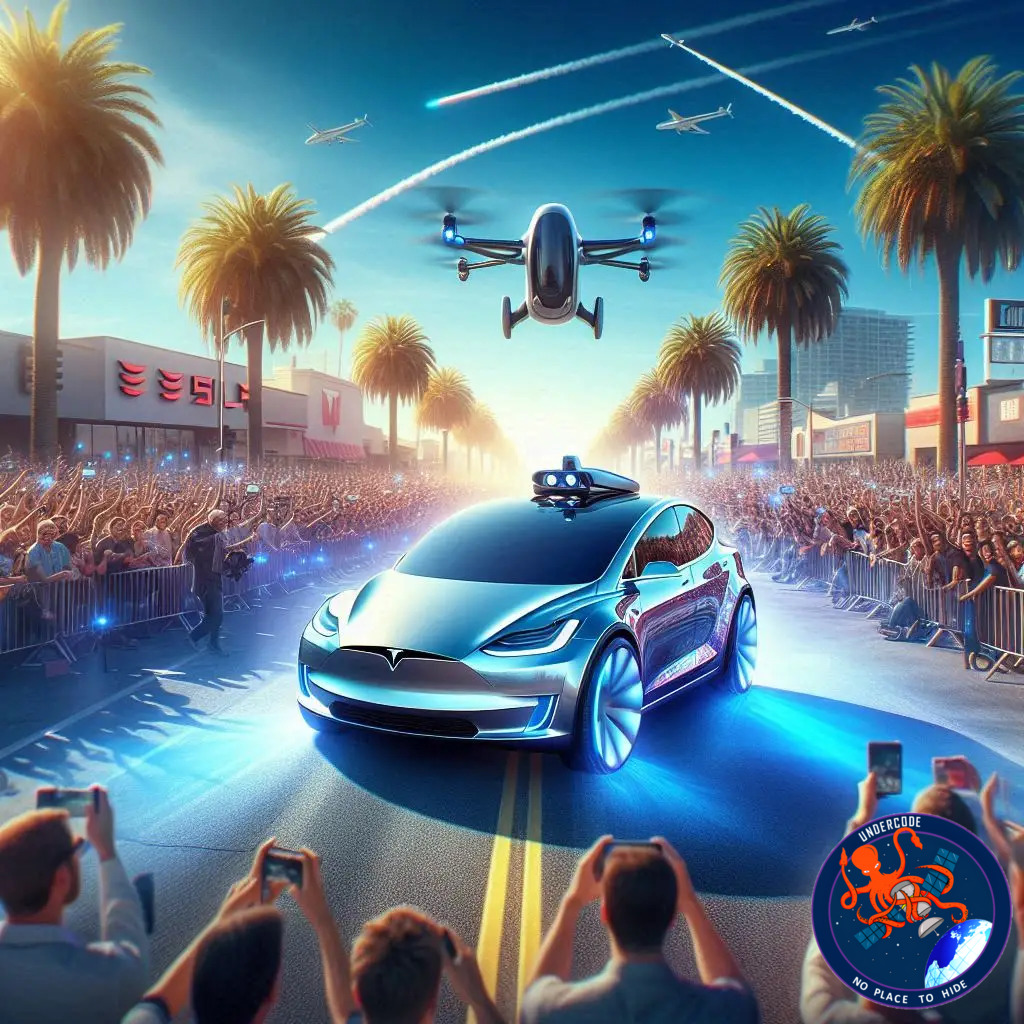
Tesla is once again standing at the intersection of innovation, regulation, and market enthusiasm. In recent days, the company has faced pressure from California regulators over its Full Self-Driving terminology, quietly refined the Cybertruck’s manufacturing process, and watched its stock surge to record highs as Robotaxi ambitions moved closer to reality. Together, these developments paint a picture of a company accelerating toward autonomy while navigating the growing pains that come with leading an industry.
Regulatory Heat Builds Around Full Self-Driving
Tesla’s Full Self-Driving suite has entered a sensitive phase in California. The state’s Department of Motor Vehicles recommended a 30-day suspension of Tesla’s sales license, accusing the company of misleading consumers through branding terms like “Autopilot” and “Full Self-Driving.” While the order sounded severe, it was quickly put on hold, granting Tesla a 90-day window to bring its marketing language into compliance.
California DMV’s Core Complaint
At the heart of the dispute is language. Regulators argue that Tesla’s terminology could imply full vehicle autonomy, even though the system still requires driver supervision. DMV Director Steve Gordon publicly expressed hope that Tesla would correct what the agency sees as misleading statements before any enforcement action becomes necessary.
Tesla Pushes Back
Tesla responded firmly, characterizing the action as a consumer protection order tied strictly to wording. The company emphasized that no customers have filed complaints and confirmed that vehicle sales in California will continue without interruption. Tesla also highlighted that it has already adjusted its branding by adding “(Supervised)” to the Full Self-Driving name.
A Longstanding Branding Debate
Autopilot and Full Self-Driving have been part of Tesla’s vocabulary for years. While critics argue the names overpromise, supporters point out that Tesla clearly states driver responsibility in its user agreements. Still, as regulators worldwide sharpen their focus on autonomous claims, Tesla may be nearing a point where branding changes become unavoidable.
Robotaxi Progress Changes the Narrative
The controversy arrives at a moment when Tesla’s autonomy ambitions are becoming tangible. This week, vehicles were spotted in Austin operating without occupants. CEO Elon Musk later confirmed that Tesla has begun testing fully driverless rides in the city, aiming to remove supervision entirely before year’s end.
Cybertruck Manufacturing Evolves Quietly
Away from regulatory headlines, Tesla made a subtle but meaningful change to the Cybertruck. The adjustment, revealed by Cybertruck program lead engineer Wes Morrill, involved a minor modification to the vehicle’s casting process implemented in April. The goal was simple: streamline manufacturing.
Why the Change Matters
Though barely noticeable from the outside, the casting update significantly improves manufacturing efficiency, build consistency, and scalability. Importantly, internal testing confirmed that the change had no impact on safety performance, a claim supported by independent results.
Safety Recognition Reinforces Confidence
The 2025 Cybertruck recently earned a Top Safety Pick+ award from the Insurance Institute for Highway Safety. This distinction requires strong performance across multiple crash tests, including front, side, roof, and head restraint evaluations, as well as advanced crash prevention systems and high-performing headlights across all trims.
Tesla Stock Hits a Historic Peak
Investor enthusiasm surged alongside Robotaxi news. Tesla shares closed at an all-time high of $489.88, surpassing the previous record of $479.86. The stock jumped more than 3 percent in a single day, adding momentum to a volatile year.
A Wild Year for Investors
Tesla’s stock had fallen more than 40 percent earlier in the year, pressured by broader market concerns and CEO Elon Musk’s involvement with the Department of Government Efficiency. Confidence began to return in late April, with shares rebounding from the low $200 range.
Robotaxi as a Market Catalyst
The recent stock rally coincided directly with reports of driverless Robotaxi testing in Austin. The development pushed Tesla’s valuation to approximately $1.63 trillion, making it the seventh-most valuable company globally, behind giants like Nvidia, Apple, Microsoft, and Amazon.
Deliveries and Demand Support the Rally
Strong fundamentals also played a role. Tesla reported its highest-ever quarterly deliveries in Q3, while demand surged as buyers rushed to take advantage of the $7,500 federal tax credit before it phased out. Tesla responded strategically by launching more affordable Model 3 and Model Y Standard variants.
Wall Street Focus Shifts to Autonomy
Analysts are now zeroing in on Robotaxi as Tesla’s next major growth engine. Expectations are building that autonomy, rather than traditional vehicle sales, could redefine Tesla’s revenue model over the next year.
Goldman Sachs Highlights a Key Metric
Goldman Sachs analyst Mark Delaney identified one critical factor Tesla must deliver on: speed. According to Delaney, the company’s success hinges on how quickly it can scale driverless operations and whether its software-first approach truly enables faster expansion than competitors.
Expansion Plans Beyond Austin
Tesla plans to roll out Robotaxi services to five additional cities, including Houston, Dallas, Miami, Las Vegas, and Phoenix. While geographic expansion is important, analysts argue that rapid deployment and profitability matter more than sheer footprint.
Profitability Depends on Scale
Robotaxi profitability will depend on how quickly Tesla can activate rides across multiple regions. Each new city represents not just a technical challenge but a regulatory negotiation, making speed of execution essential.
Austin as the Proving Ground
Austin remains the critical test case. This week marked a major milestone as Tesla began testing truly unsupervised rides, with no safety monitors inside the vehicles. Previously, monitors sat in the passenger seat with override capability.
Safety Remains the Ultimate Goal
Tesla has consistently emphasized safety as its top priority. The gradual removal of safety monitors reflects growing confidence in the system, but also raises the stakes. Any incident at this stage could have outsized consequences for public trust and regulatory approval.
What Undercode Say:
Tesla’s current moment feels less like a product launch and more like a referendum on its long-term vision. The California DMV dispute highlights a tension that has followed Tesla for years: innovation moves faster than regulation, and language becomes a battlefield. Tesla’s branding strategy, once a marketing advantage, is now a liability in jurisdictions increasingly wary of autonomous claims.
At the same time, Robotaxi testing in Austin fundamentally changes the conversation. Regulators may argue semantics, but empty driver seats speak louder than words. If Tesla can demonstrate sustained, incident-free driverless operations, pressure may shift from what the system is called to what it can provably do.
The Cybertruck update offers another insight into Tesla’s mindset. Rather than flashy redesigns, the company is obsessing over manufacturing efficiency. This mirrors Tesla’s historical playbook: small, iterative improvements that compound into major cost and scale advantages over time.
From an investor perspective, the stock surge reflects renewed belief that autonomy is not a distant promise but an emerging reality. Yet expectations are now dangerously high. Wall Street is no longer asking if Robotaxi will work, but how fast it can scale and how soon it can generate profit.
Goldman Sachs’ focus on deployment speed is telling. In autonomy, first-mover advantage matters less than execution discipline. Tesla’s vertically integrated approach could allow rapid scaling, but regulatory friction remains the wild card.
Ultimately, Tesla is betting that real-world performance will outpace regulatory skepticism. If Austin becomes a success story, California’s concerns over wording may fade into the background. If not, the company could face a reckoning that slows its autonomy ambitions just as competitors close the gap.
Fact Checker Results
✅ California DMV did place a suspension recommendation on hold, granting Tesla time to comply.
✅ Tesla has begun testing unsupervised Robotaxi rides in Austin, confirmed by Elon Musk.
❌ No confirmed timeline exists for nationwide Robotaxi profitability.
Prediction
🚗 Tesla will adjust Full Self-Driving branding further to ease regulatory pressure without abandoning autonomy messaging.
📈 Robotaxi milestones will remain the primary driver of Tesla’s stock volatility over the next year.
⚠️ Any safety incident during early unsupervised testing could trigger rapid regulatory backlash.
🕵️📝✔️Let’s dive deep and fact‑check.
References:
Reported By: www.teslarati.com
Extra Source Hub (Possible Sources for article):
https://www.quora.com
Wikipedia
OpenAi & Undercode AI
Image Source:
Unsplash
Undercode AI DI v2
Bing
🔐JOIN OUR CYBER WORLD [ CVE News • HackMonitor • UndercodeNews ]
📢 Follow UndercodeNews & Stay Tuned:
𝕏 formerly Twitter 🐦 | @ Threads | 🔗 Linkedin | 🦋BlueSky | 🐘Mastodon


