
Listen to this Post
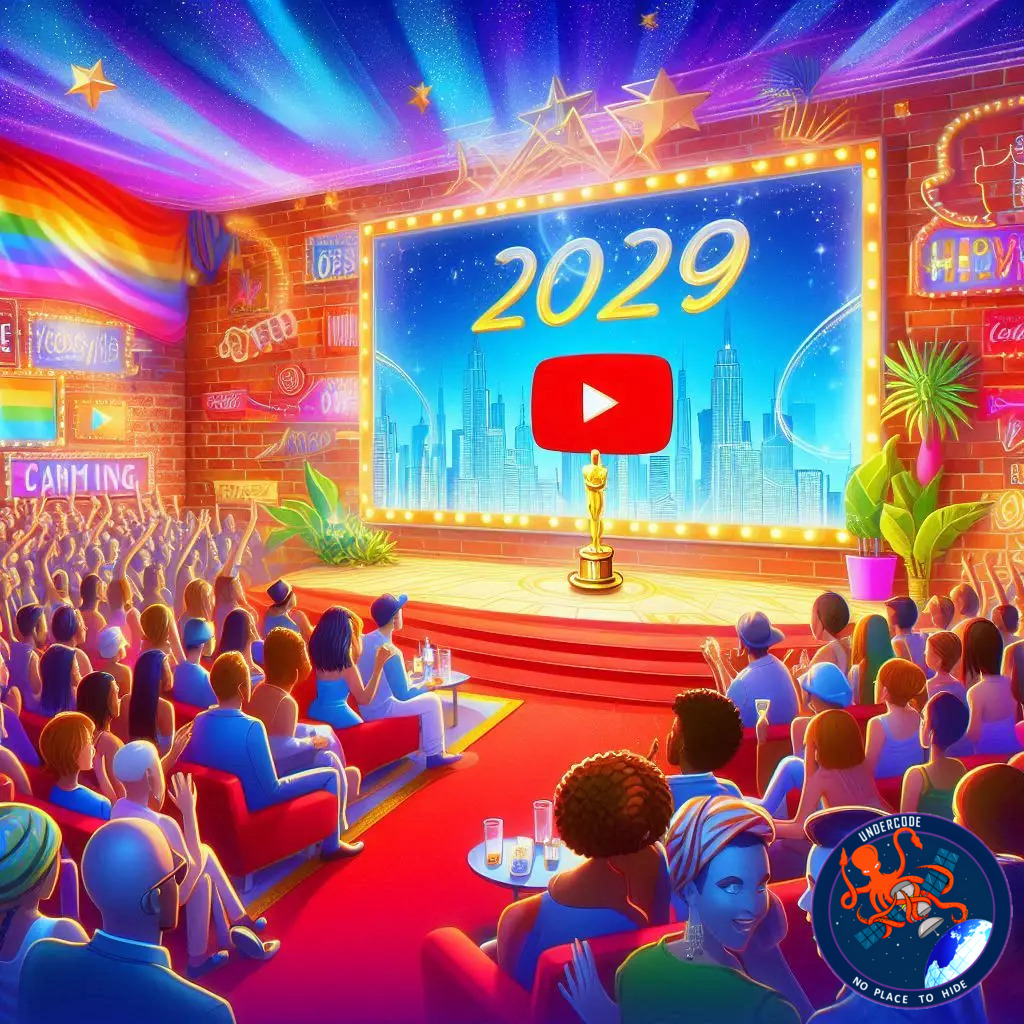
The Academy of Motion Picture Arts and Sciences is set to make history. Beginning in 2029, the Oscars telecast will move from traditional television to streaming, with YouTube securing exclusive global rights through a multi-year deal running until 2033. This landmark transition marks the first time in decades that the prestigious awards ceremony, long synonymous with ABC and Disney, will be broadcast primarily online, signaling a profound transformation in how audiences consume major entertainment events.
For more than half a century, ABC has been the Oscars’ home, delivering glitzy, live telecasts to millions of viewers each year. That era will continue through 2028, including the Academy’s centennial celebration. However, the recent auctioning of future telecast rights hinted at a potential shift toward tech-driven platforms, and YouTube emerged as the winning bidder, outpacing traditional networks and underscoring the growing influence of digital media.
YouTube CEO Neal Mohan framed the partnership as both an homage and a forward-looking initiative, emphasizing the Oscars’ legacy while promising to inspire a new generation of creators and audiences worldwide. “The Oscars are one of our essential cultural institutions, honoring excellence in storytelling and artistry,” Mohan stated. “Partnering with the Academy to bring this celebration of art and entertainment to viewers all over the world will inspire a new generation of creativity and film lovers while staying true to the Oscars’ storied legacy.”
The announcement sparked mixed reactions in Hollywood. Traditionalists view the move with caution, likening it to a necessary but uneasy handshake with a platform that disrupts conventional media. Screenwriter Daniel Kunka famously remarked on X, “YouTube broadcasting the Oscars is like shaking hands with the guy who’s trying to kill you.” Yet, YouTube’s track record of promoting experimental filmmaking, new distribution methods, and even financing original films makes it a natural contender to host such a globally recognized event.
The shift also reflects broader trends in media consumption. While theatrical releases remain central to Oscar eligibility, streaming platforms increasingly shape how films reach audiences. Recent winners, such as the 2025 Best Picture “Anora,” demonstrate this evolving ecosystem: the film debuted at Cannes, played in theaters, and eventually streamed on Hulu, illustrating the blending of traditional and digital viewing pathways.
ABC, meanwhile, expressed pride in its decades-long stewardship of the Oscars and excitement for the final telecasts under its banner. Their statement affirmed a respect for the Academy’s mission while acknowledging the inevitability of change.
What Undercode Say:
This decision represents a turning point not only for the Oscars but for Hollywood’s relationship with Big Tech. Streaming platforms, led by YouTube, Netflix, and Amazon, have steadily eroded the dominance of traditional networks by offering audiences more personalized, on-demand experiences. By moving the Oscars online, the Academy aligns itself with evolving viewing habits, targeting younger, tech-savvy audiences who consume content primarily through digital platforms rather than broadcast television.
The implications extend beyond audience reach. YouTube’s involvement could transform the Oscars’ format, incorporating interactive features, global accessibility, and innovative ways to showcase film artistry. Unlike linear TV, streaming platforms provide data-driven insights on viewership, engagement, and demographic patterns, potentially reshaping how the Academy selects segments, hosts, and presentation styles. This may lead to a more dynamic, responsive awards show that adapts in real-time to viewer feedback.
However, this transition also poses challenges. Traditionalists may resist, perceiving online streaming as less prestigious than a live television broadcast. Brands that have long relied on Oscars advertising may need to reimagine their strategies in a digital context, and the intimacy of live events could be altered by the nature of streaming. Hollywood’s creative community will likely continue to debate whether this shift represents evolution or erosion of cinematic tradition.
Moreover, this deal underscores YouTube’s growing clout in media and entertainment. The platform’s ability to outbid ABC highlights the economic muscle and strategic vision of tech giants in acquiring cultural assets. It signals that streaming is not just an alternative distribution channel—it is becoming the primary medium for high-profile entertainment, redefining how the public engages with media institutions.
Strategically, the Academy’s decision also safeguards its relevance. With younger audiences increasingly disengaged from broadcast television, moving to a platform like YouTube ensures that the Oscars remain culturally significant and globally accessible. The platform’s global reach may even expand the Academy’s footprint into markets previously underserved by traditional broadcasting, fostering a more inclusive, worldwide celebration of cinema.
In terms of content, the collaboration may encourage innovative storytelling approaches. Filmmakers may experiment with formats designed to thrive in online viewing environments, knowing their work could reach billions through streaming. The Oscars’ shift could, in turn, influence production trends, funding models, and marketing strategies, further blurring the line between traditional cinema and digital-first experiences.
Ultimately, the move signals a broader trend: Hollywood is embracing digital transformation not just in distribution but in the very way it validates and celebrates artistry. Streaming platforms are no longer just secondary channels; they are becoming central hubs for cultural milestones. By partnering with YouTube, the Oscars acknowledge this reality, positioning themselves at the intersection of heritage and innovation.
Fact Checker Results:
✅ YouTube has secured exclusive global streaming rights to the Oscars from 2029–2033.
✅ ABC will continue to broadcast the Oscars until 2028, including the centennial celebration.
❌ No financial details of the YouTube deal have been publicly disclosed.
Prediction:
Expect a highly interactive Oscars in 2029, with live streaming features, behind-the-scenes content, and global engagement tools. 🎬 The shift to YouTube may attract younger audiences while challenging traditional TV advertising models, ultimately setting a precedent for other major awards shows to embrace streaming as their primary platform. 🌐
🕵️📝✔️Let’s dive deep and fact‑check.
References:
Reported By: edition.cnn.com
Extra Source Hub (Possible Sources for article):
https://www.facebook.com
Wikipedia
OpenAi & Undercode AI
Image Source:
Unsplash
Undercode AI DI v2
Bing
🔐JOIN OUR CYBER WORLD [ CVE News • HackMonitor • UndercodeNews ]
📢 Follow UndercodeNews & Stay Tuned:
𝕏 formerly Twitter 🐦 | @ Threads | 🔗 Linkedin | 🦋BlueSky | 🐘Mastodon


