
Listen to this Post
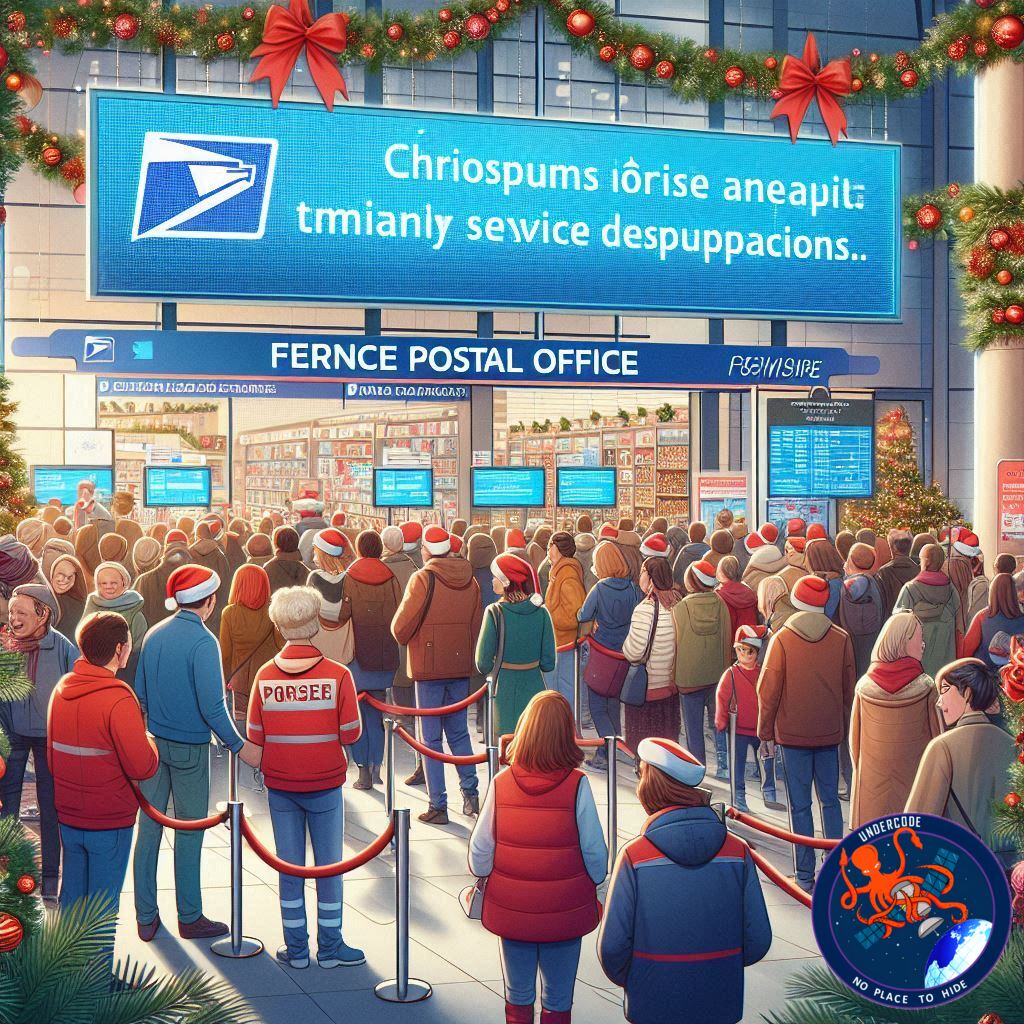
Introduction: A Digital Shockwave During the Holiday Rush
Just days before Christmas, when postal deliveries and online banking become critical lifelines for millions, France faced an unexpected digital disruption. Core services linked to La Poste and La Banque Postale slowed down simultaneously, triggering public concern and operational delays. While authorities stressed that no customer data was compromised, the timing and scale of the incident raised fresh questions about the resilience of national infrastructure against cyber threats during peak periods.
Service Disruption Strikes at the Worst Possible Time
A suspected distributed denial-of-service attack disrupted operations at France’s postal and banking backbone in the final stretch before Christmas. La Poste, the country’s primary postal service, and La Banque Postale, a key retail banking institution, experienced service degradation that affected parcel deliveries and access to online banking platforms. Customers reported delays, slow system responses, and temporary unavailability of digital services.
What Happened Behind the Scenes
According to cybersecurity monitoring sources, the disruption bore the hallmarks of a DDoS attack, a method that overwhelms digital systems with massive volumes of traffic. While officials stopped short of confirming attribution, the symptoms aligned with traffic saturation rather than internal system failure. Emergency mitigation protocols were reportedly activated to stabilize services.
Impact on Postal Deliveries
For La Poste, the incident translated into delayed parcel processing at a moment when logistics networks are already under extreme seasonal strain. Christmas week represents the highest delivery volume of the year, amplifying the real-world impact of even short digital interruptions. While physical mail continued to move, tracking updates and backend coordination slowed noticeably.
Banking Services Under Pressure
La Banque Postale customers faced intermittent access issues with online banking portals. Transactions were delayed, account dashboards loaded slowly, and some users reported temporary login failures. The bank emphasized that customer funds and personal data remained secure, and that the disruption was operational rather than a breach.
Official Response and Reassurance
Both institutions moved quickly to reassure the public. Statements emphasized that no customer data had been compromised and that internal security controls functioned as designed. Technical teams worked to absorb malicious traffic and restore normal service levels, with most systems stabilizing within hours.
Public Reaction and Online Chatter
The incident quickly gained traction on social media, where users voiced frustration and concern. The fact that two critical national services were affected simultaneously intensified speculation about coordinated targeting. Cybersecurity observers noted that such attacks often aim for disruption and psychological impact rather than data theft.
A Pattern of Seasonal Targeting
Cybersecurity analysts have long warned that holidays create ideal conditions for attackers. Reduced staffing, peak demand, and public sensitivity combine to magnify the effects of service outages. The timing of this disruption fits a broader global pattern of cyber activity escalating during major holidays.
What Undercode Say:
The suspected DDoS attack on La Poste and La Banque Postale is less about immediate damage and more about strategic signaling. DDoS attacks are blunt instruments, but when aimed at national infrastructure during high-demand periods, they deliver outsized impact. The attackers, whoever they may be, likely understood that Christmas week would maximize disruption with minimal effort.
This incident highlights a persistent vulnerability in critical service ecosystems: shared dependencies. Postal logistics and retail banking may appear separate, but both rely on interconnected networks, third-party providers, and centralized traffic routing. When attackers identify these choke points, they can disrupt multiple services simultaneously without breaching a single database.
Another key takeaway is the evolving role of DDoS attacks in modern cyber strategy. Once dismissed as nuisance-level attacks, large-scale traffic floods are increasingly used as geopolitical signals, protest tools, or smokescreens for other operations. Even when no data is stolen, the reputational cost can be significant.
From a defensive standpoint, the response appears effective but reactive. Mitigation tools worked, yet the public still felt the impact. This suggests that capacity planning must account not only for average peak loads but for malicious amplification layered on top of seasonal demand. Static defenses are no longer sufficient.
There is also a trust dimension. Public reassurance that no data was compromised is important, but repeated disruptions can erode confidence over time. For institutions like La Poste and La Banque Postale, reliability is part of their social contract. Every outage chips away at that perception, even if security remains intact.
Finally, the incident underscores the importance of transparency. Early acknowledgment, clear communication, and timely updates helped prevent panic. In the absence of confirmed attribution, restraint in public statements was wise. Speculation fuels uncertainty, while clarity restores calm.
In the broader European context, this event serves as another reminder that critical services remain attractive targets. As digital reliance deepens, resilience, redundancy, and real-time mitigation are no longer optional safeguards. They are core operational requirements.
Fact Checker Results:
✅ No evidence of customer data compromise reported by affected institutions
✅ Service disruption consistent with characteristics of a DDoS attack
❌ No official attribution or confirmed attacker identity disclosed
Prediction:
🔮 Similar disruption-focused cyber incidents will increase during major holidays as attackers seek maximum visibility with minimal risk
🔮 National service providers will accelerate investment in adaptive DDoS mitigation and traffic intelligence
🔮 Public tolerance for repeated digital outages will decline, increasing pressure for stronger cyber resilience measures
🕵️📝✔️Let’s dive deep and fact‑check.
References:
Reported By: x.com
Extra Source Hub (Possible Sources for article):
https://www.github.com
Wikipedia
OpenAi & Undercode AI
Image Source:
Unsplash
Undercode AI DI v2
Bing
🔐JOIN OUR CYBER WORLD [ CVE News • HackMonitor • UndercodeNews ]
📢 Follow UndercodeNews & Stay Tuned:
𝕏 formerly Twitter 🐦 | @ Threads | 🔗 Linkedin | 🦋BlueSky | 🐘Mastodon


